belgrade
i was surprised by how much belgrade defied my expectations. i had anticipated a city carrying a heavy past, perhaps a bit worn down. what i actually found was a vibrant, bohemian urban culture. the streets are alive with a rich blend of art, architecture, and constant creative energy.
here are my highlights and reflections on two key parts of the city.
stari grad (old town)
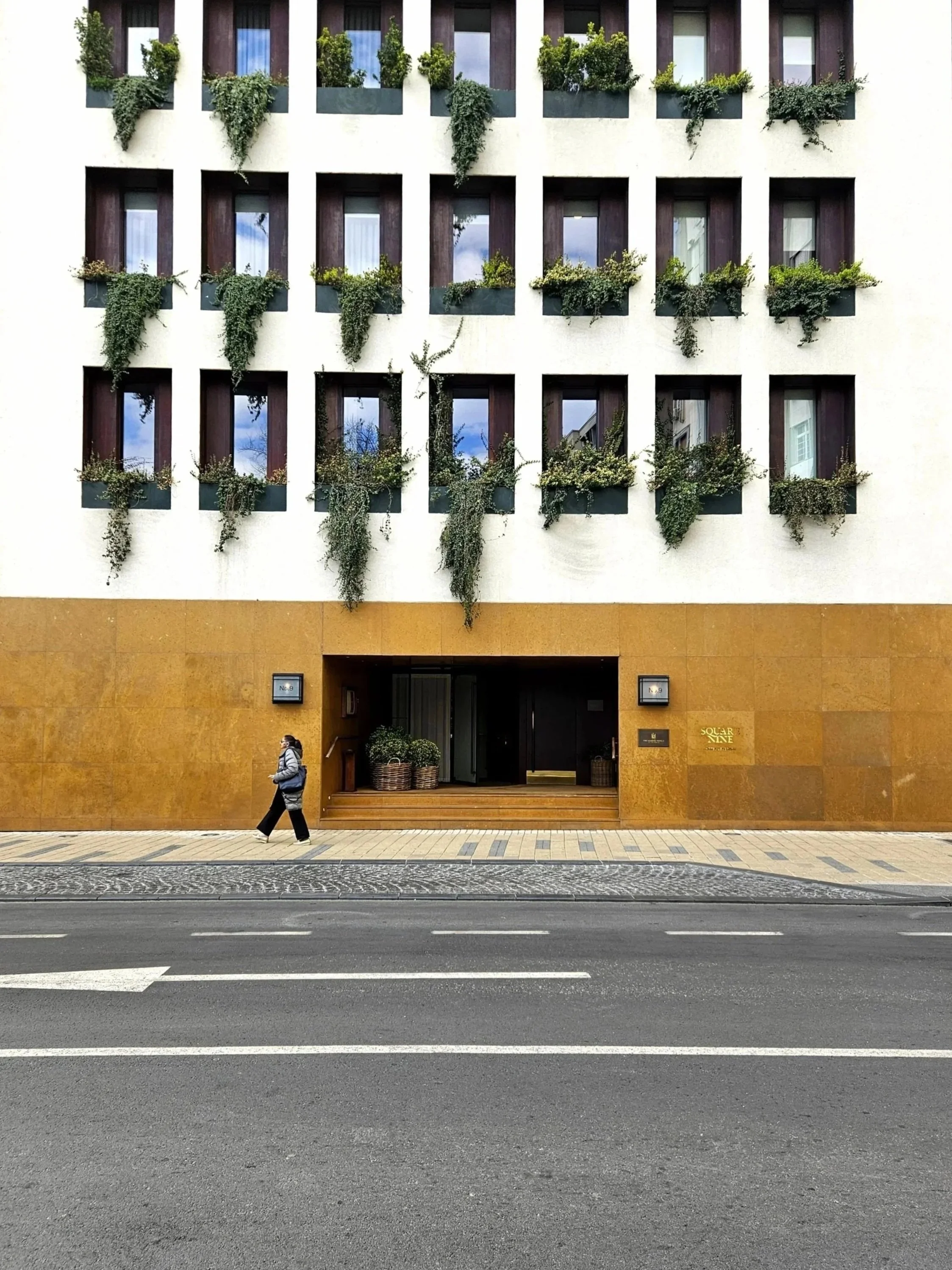
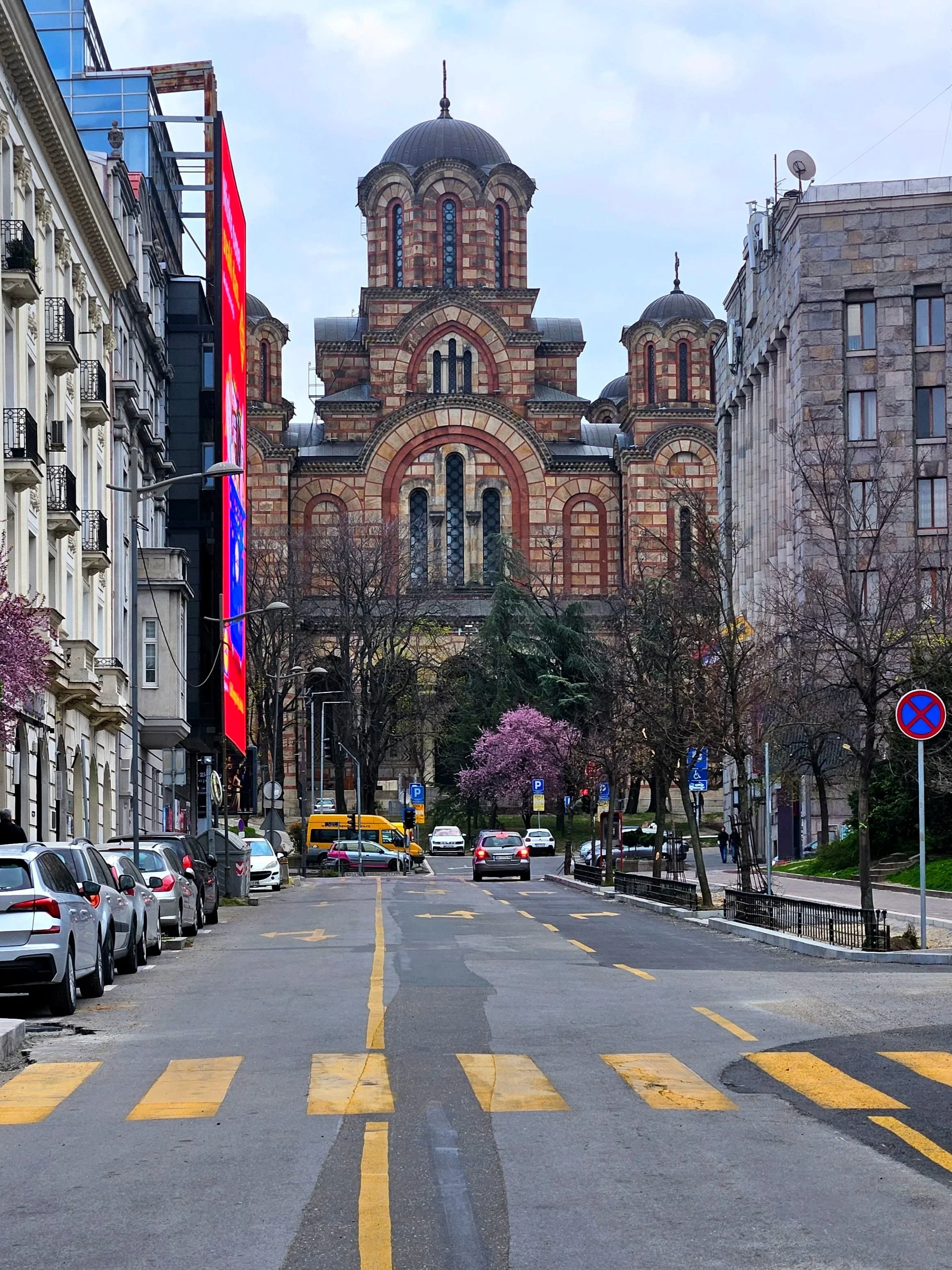
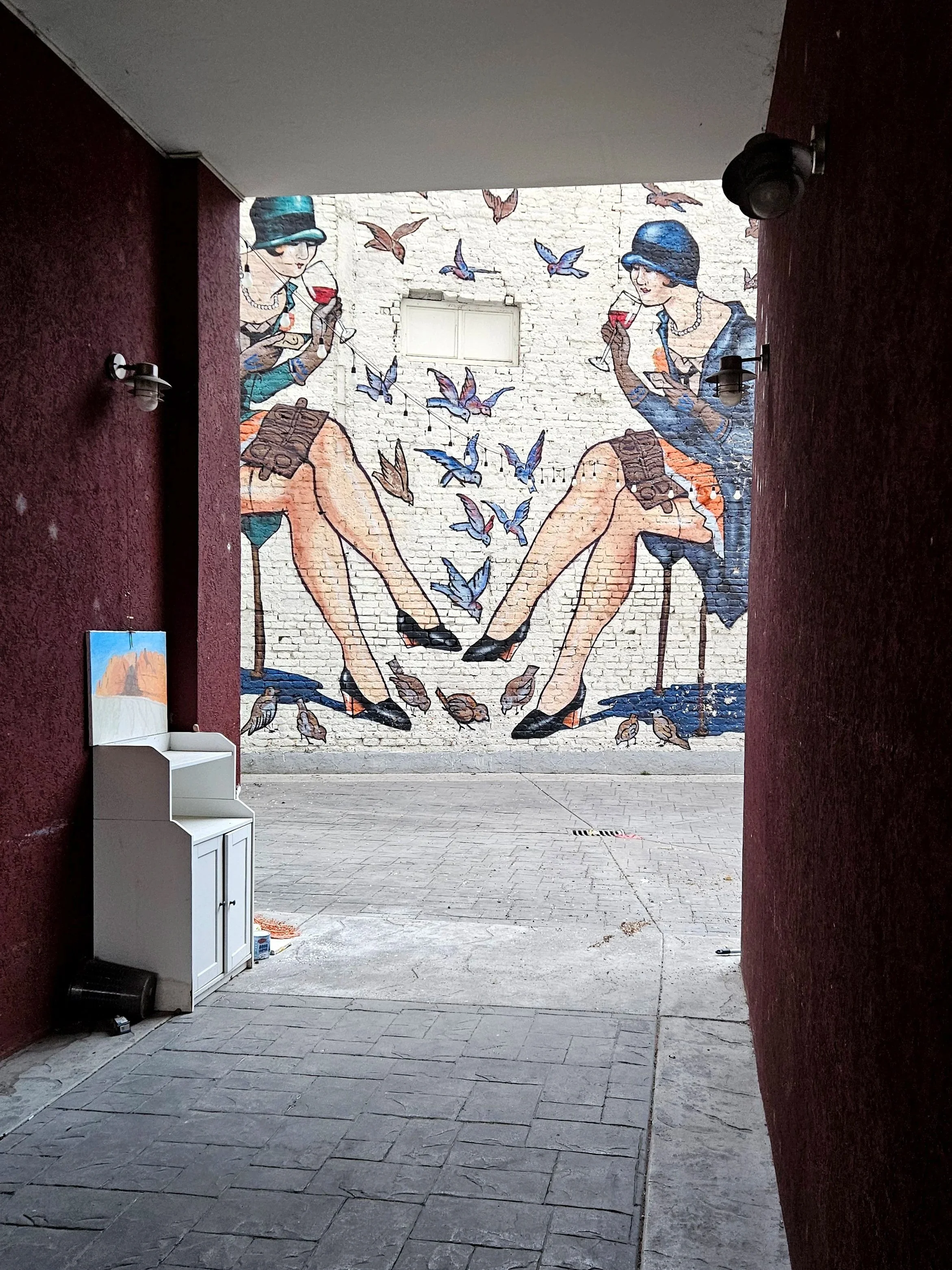
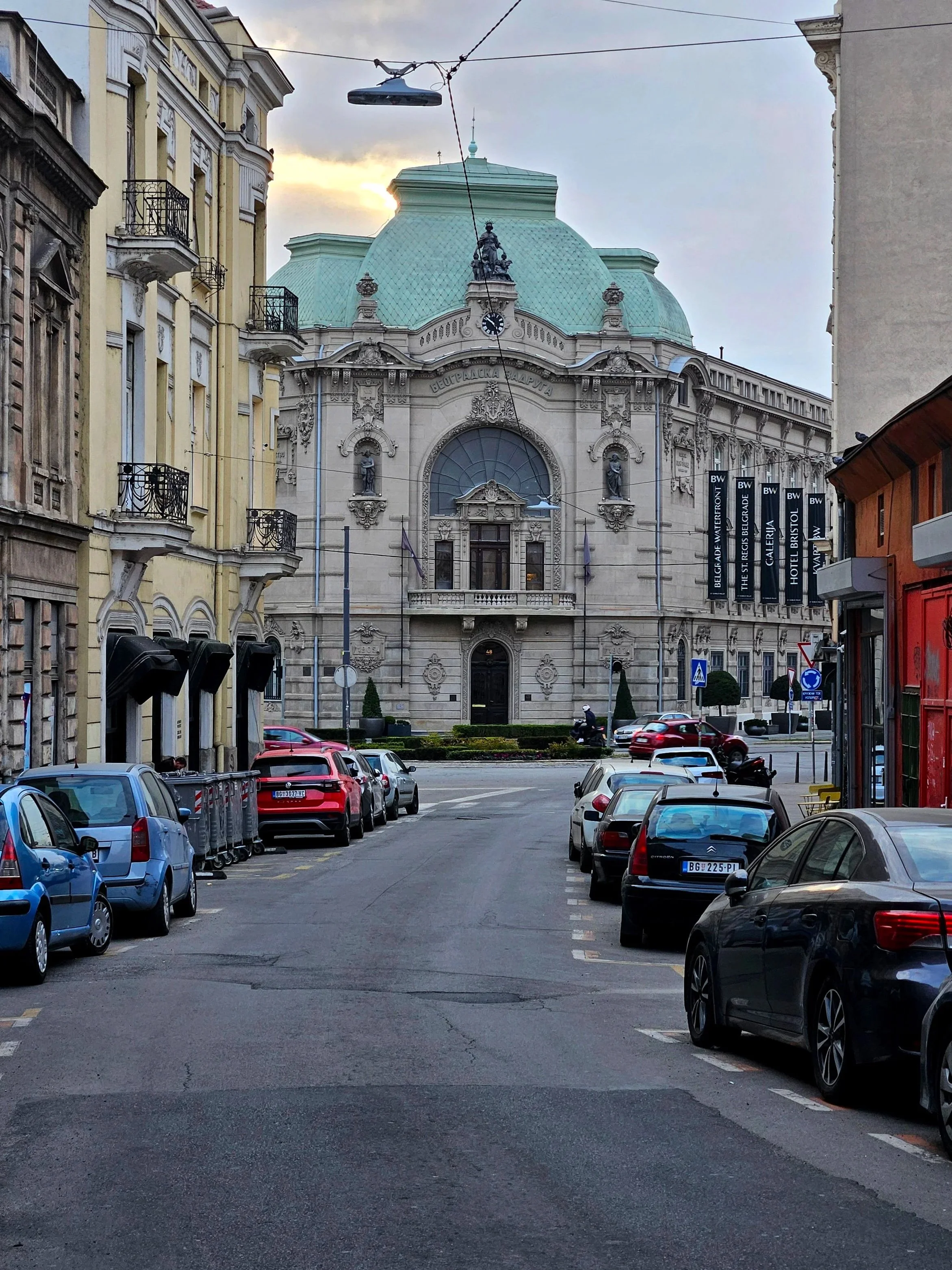
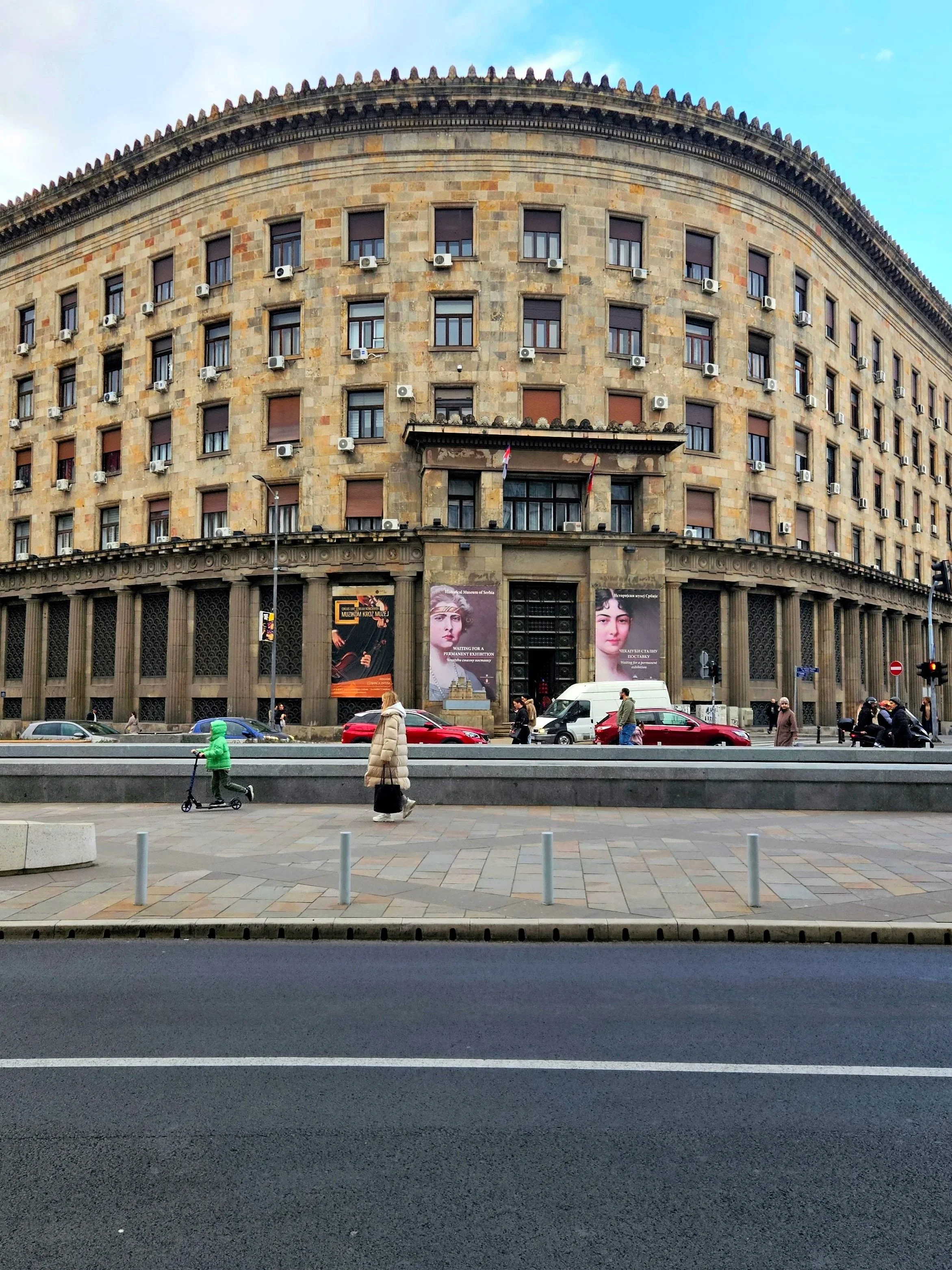
belgrade’s stari grad is an incredible fusion of classic and modern architecture, traditional cuisine alongside contemporary cafes, and grand historical monuments standing right next to vibrant wall murals.
this constant dialogue between the past and the present is precisely what fuels the quarter’s bohemian spirit.
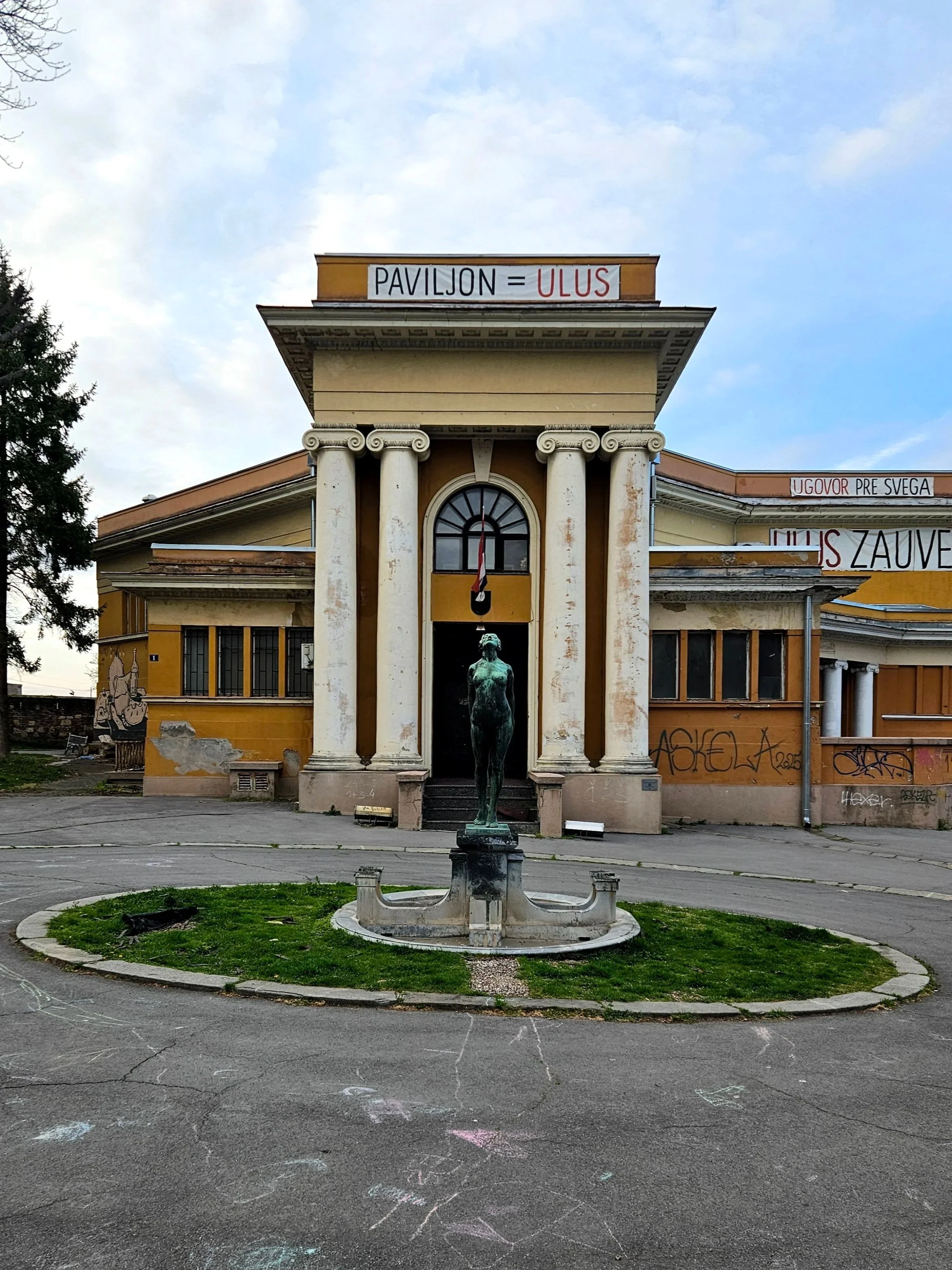
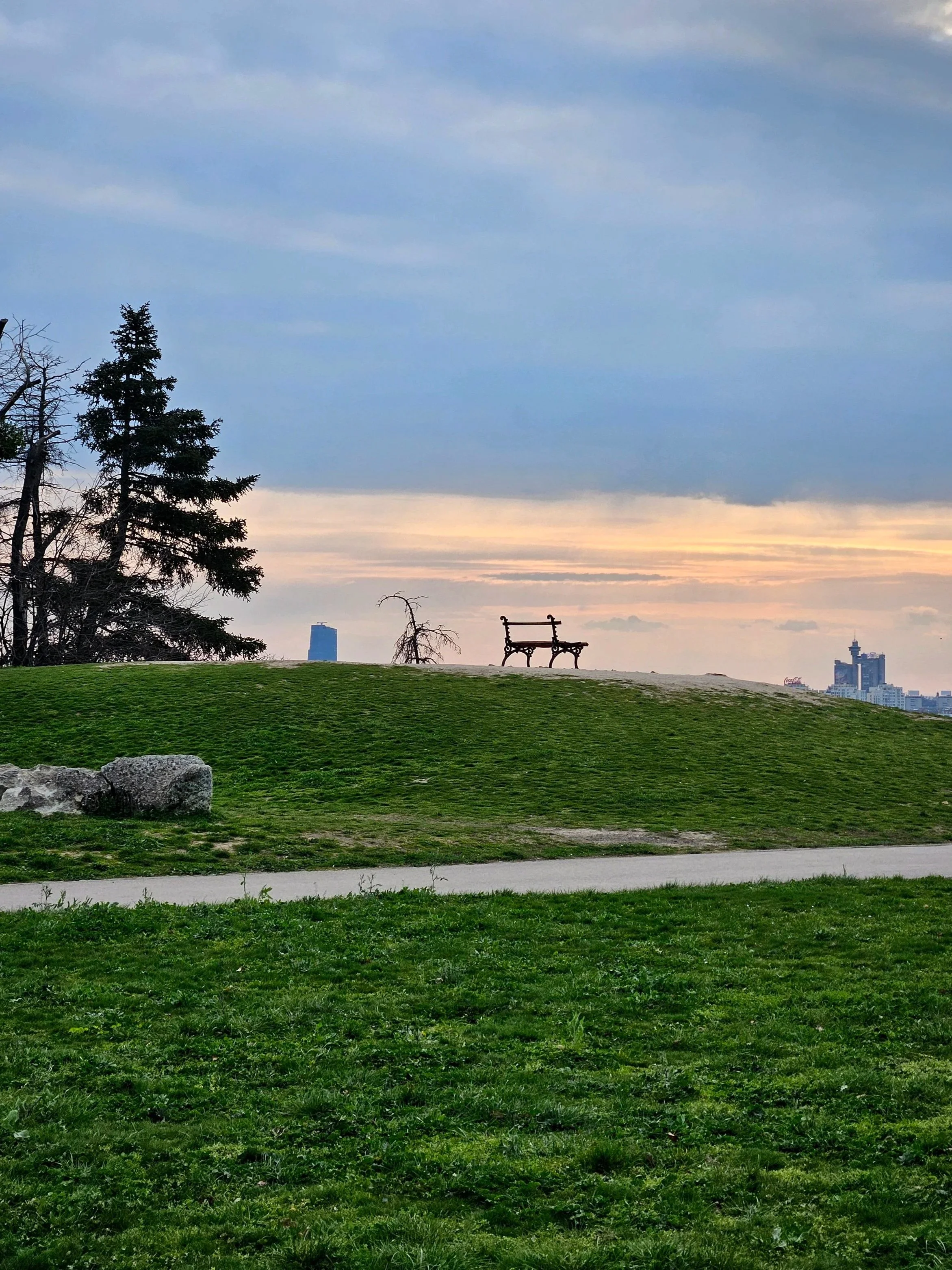
some essential stops along the way are dorćol for its lively modern cafe scene, skadarlija for its romantic, bohemian alleyways, and kalemegdan for its centuries of fortress history overlooking the river.
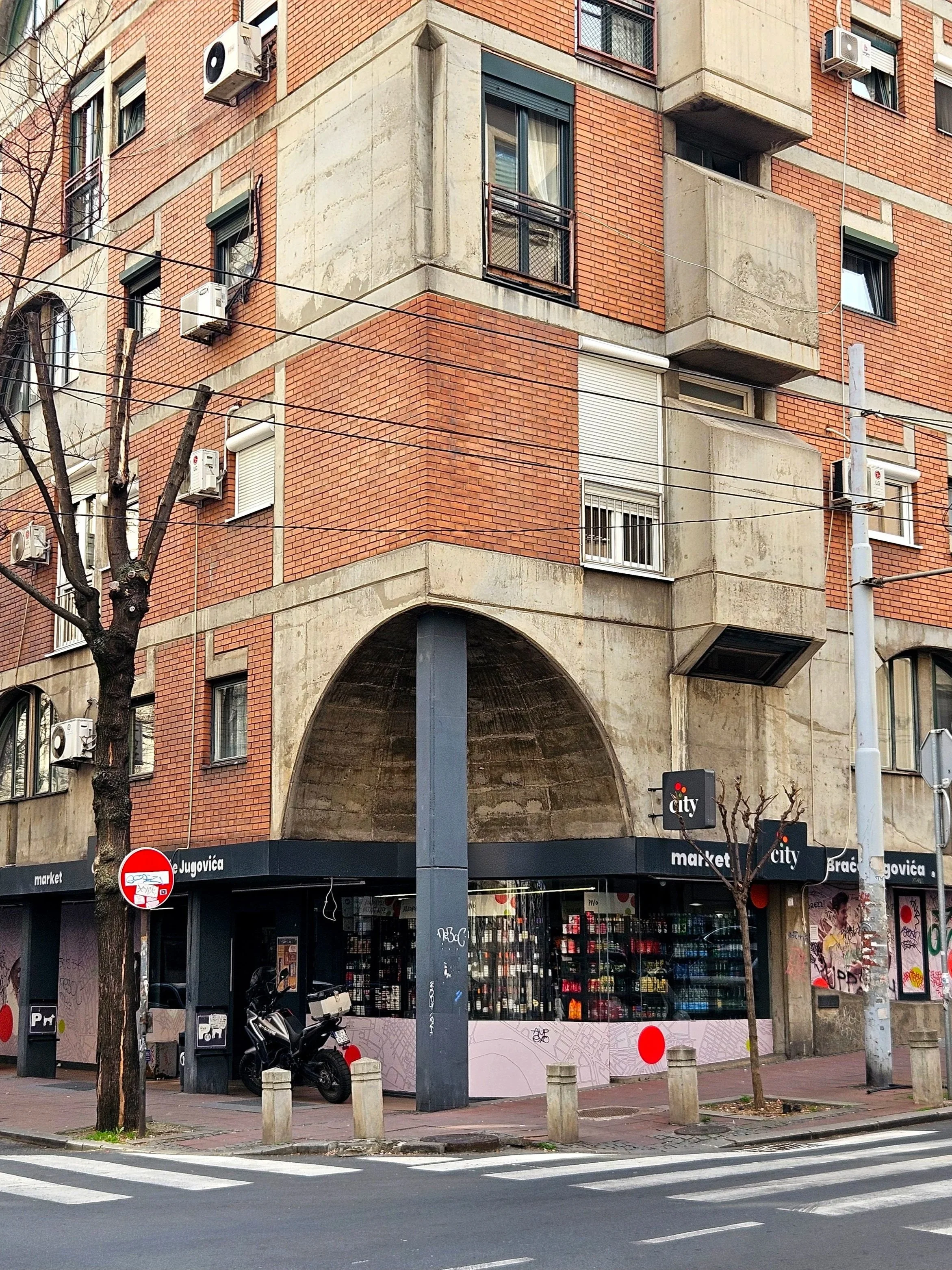
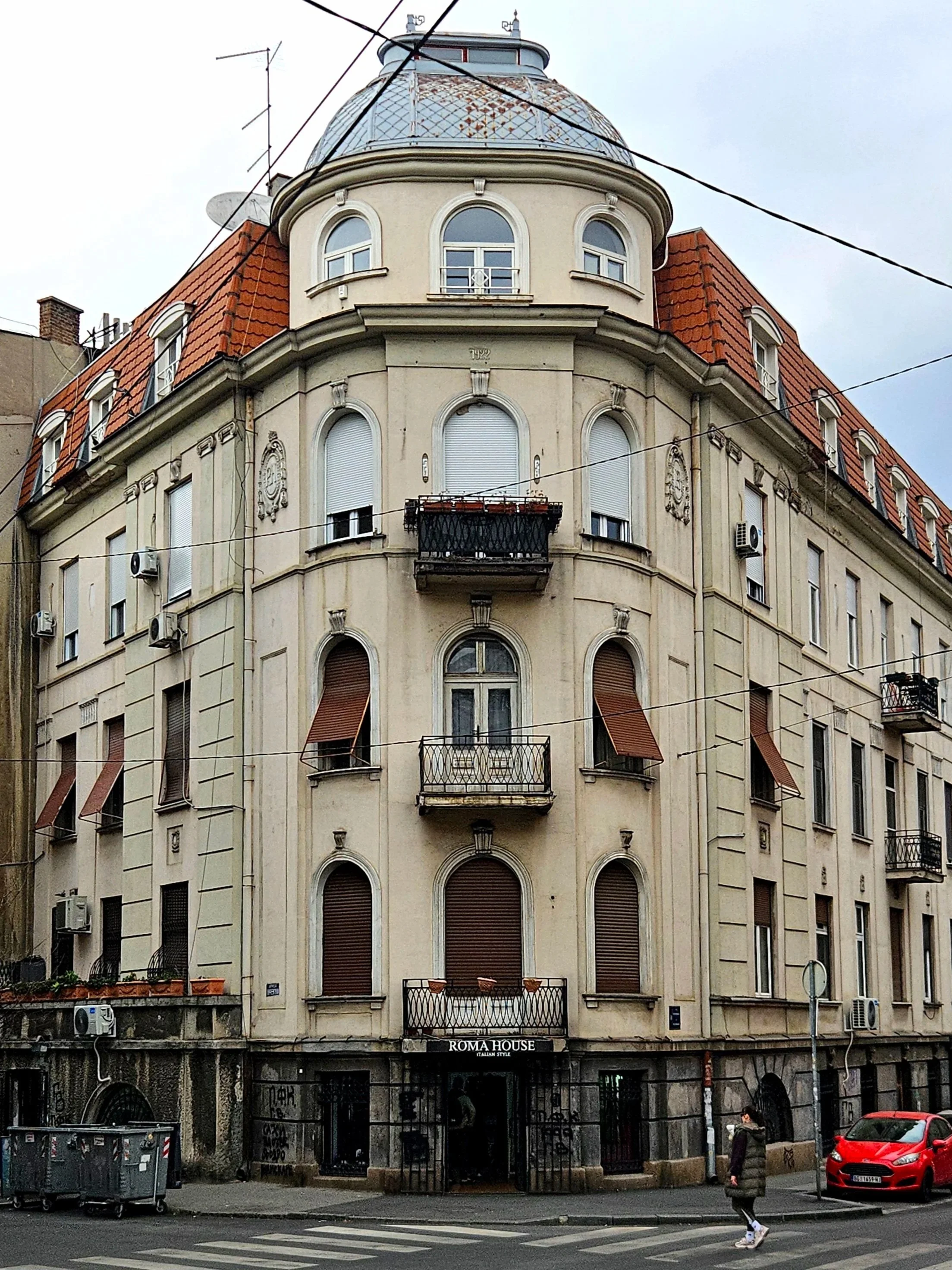
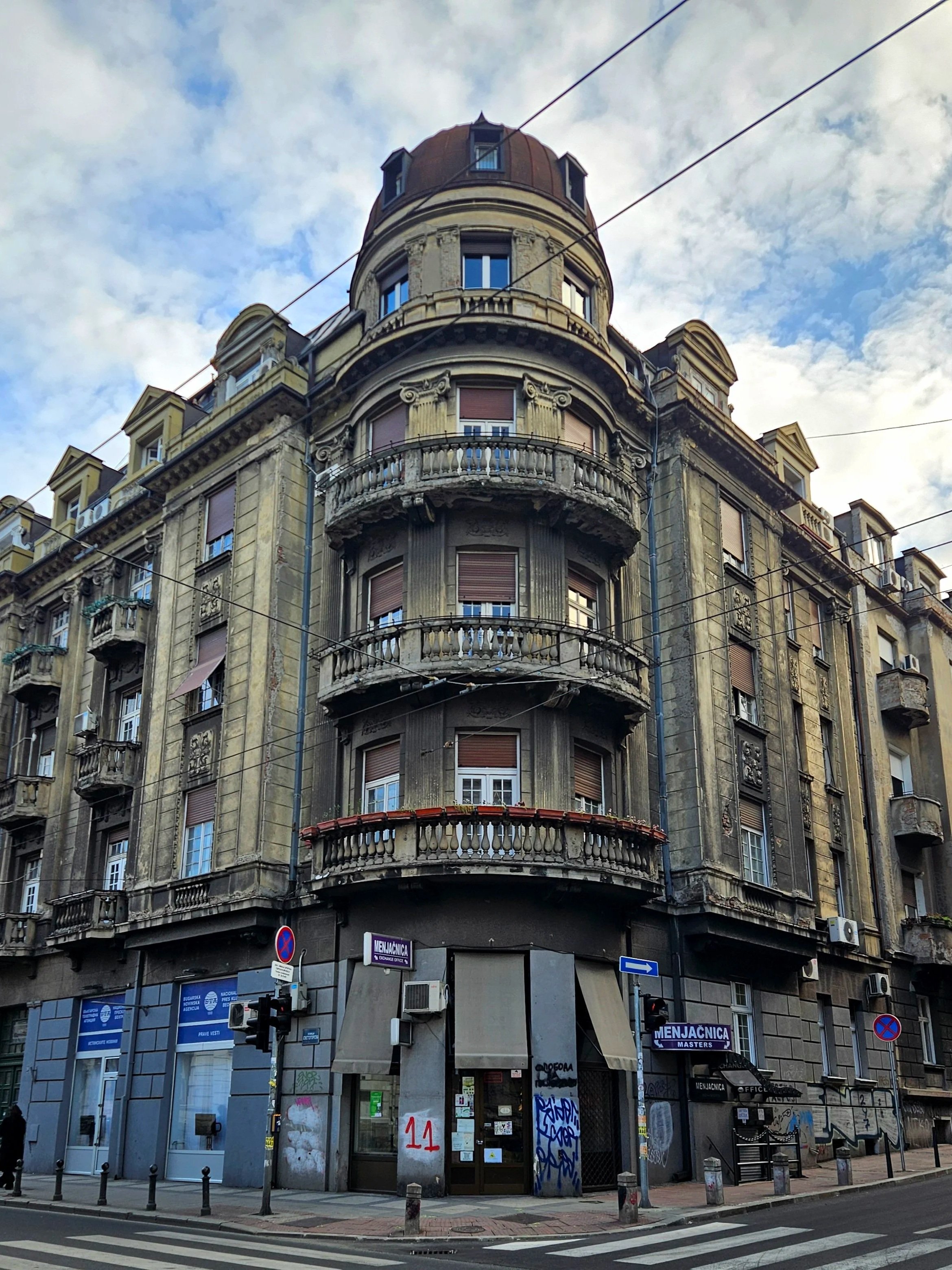
one of the most striking features of stari grad’s urban fabric is its corner facades. at every turn, i was completely captivated by corner buildings from different eras, each carrying its own distinct character with rounded balconies and detailed stonework.
novi beograd (new belgrade)
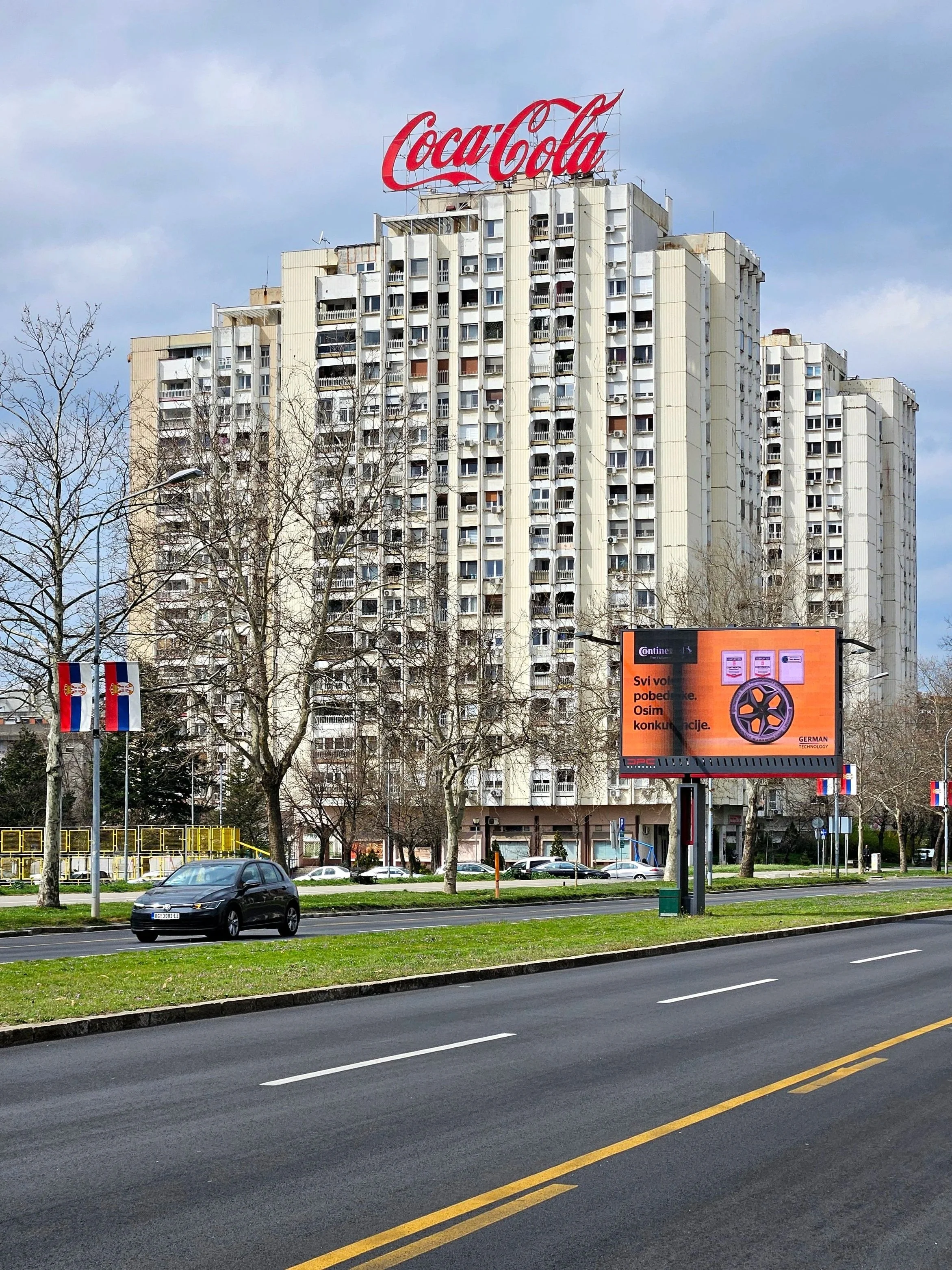
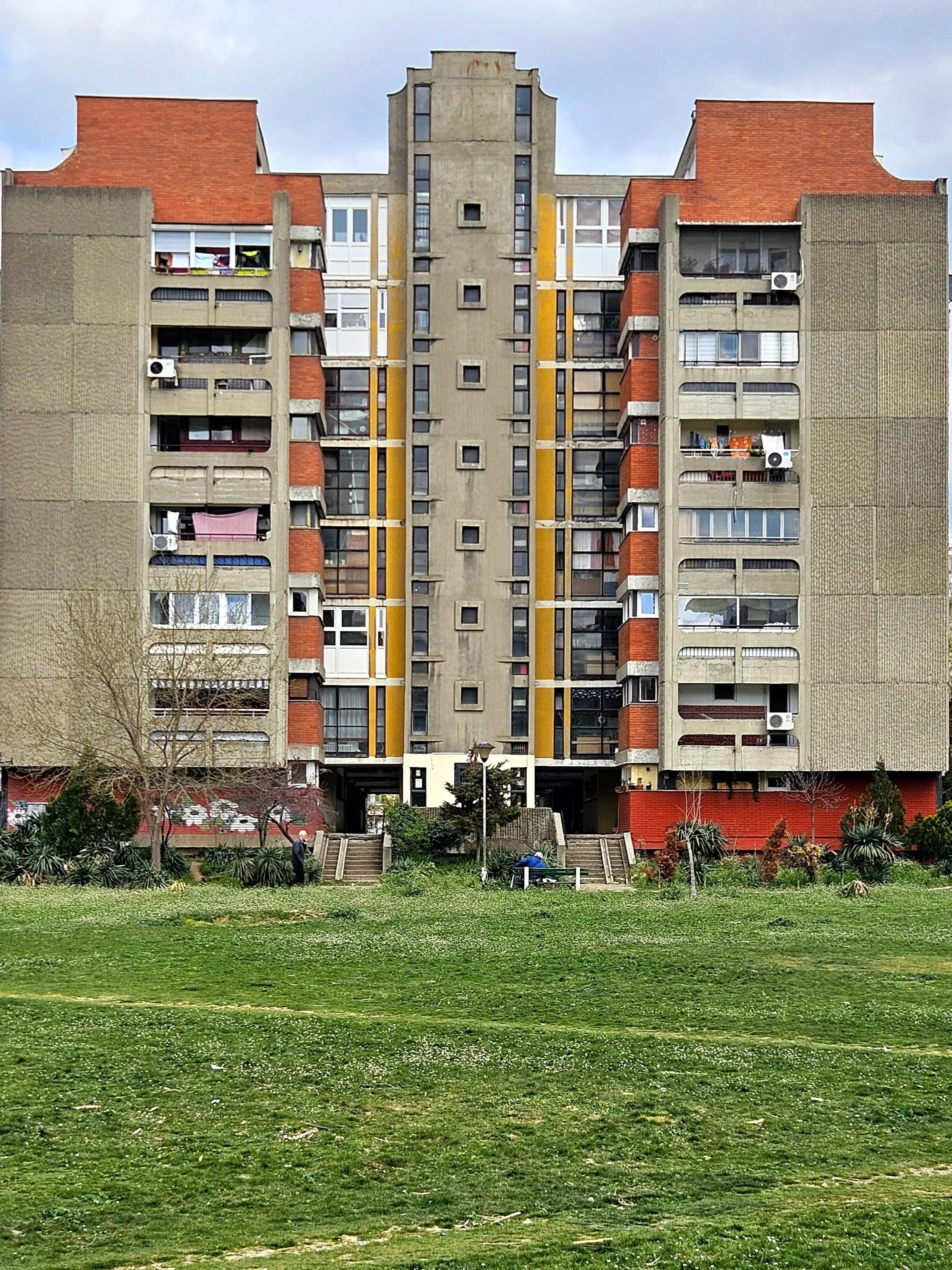
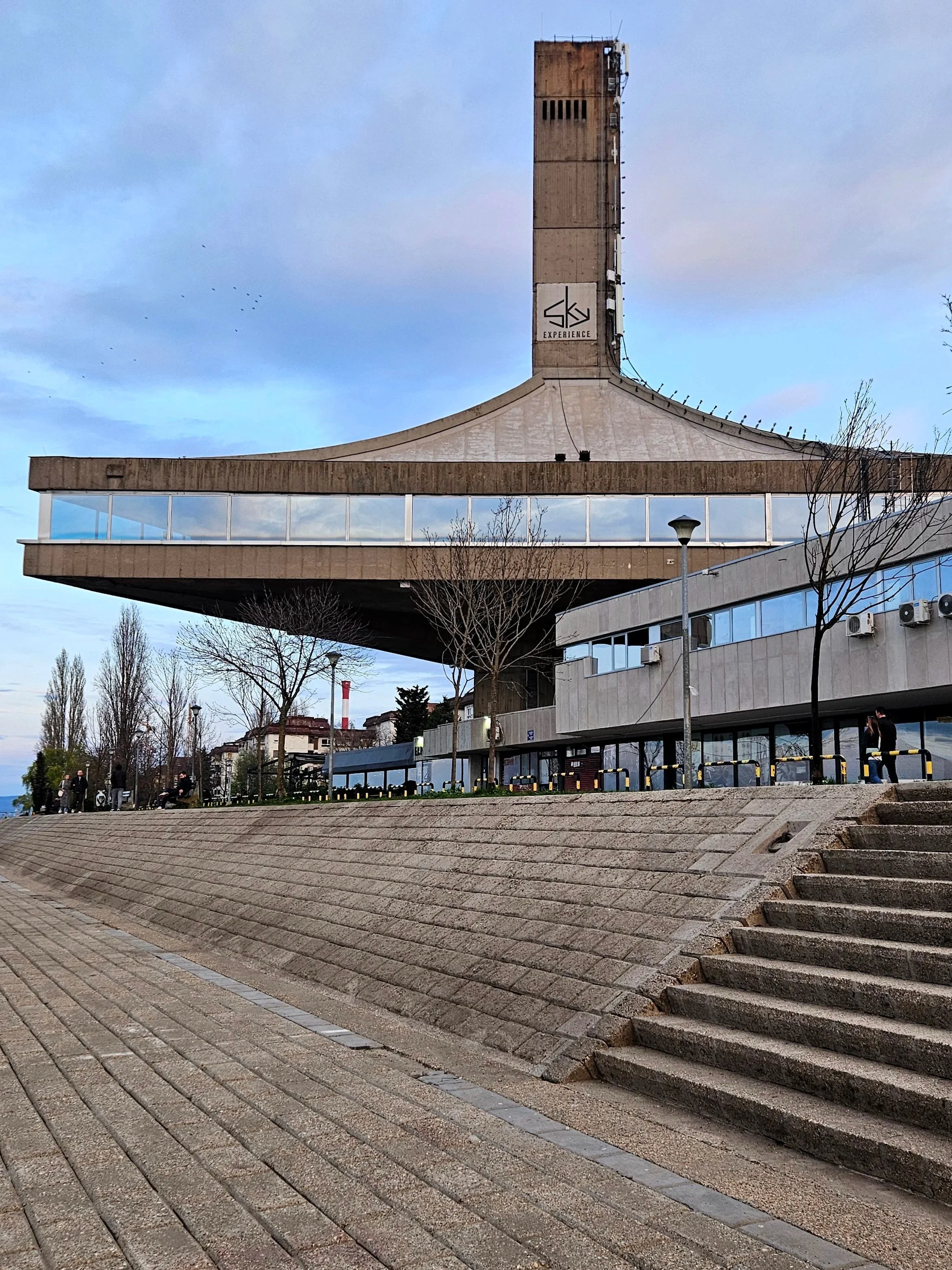
in complete contrast, right across the river, lies another city with a completely different story. novi beograd is the bedrock of former yugoslavia’s socialist modernist urban and architectural vision,
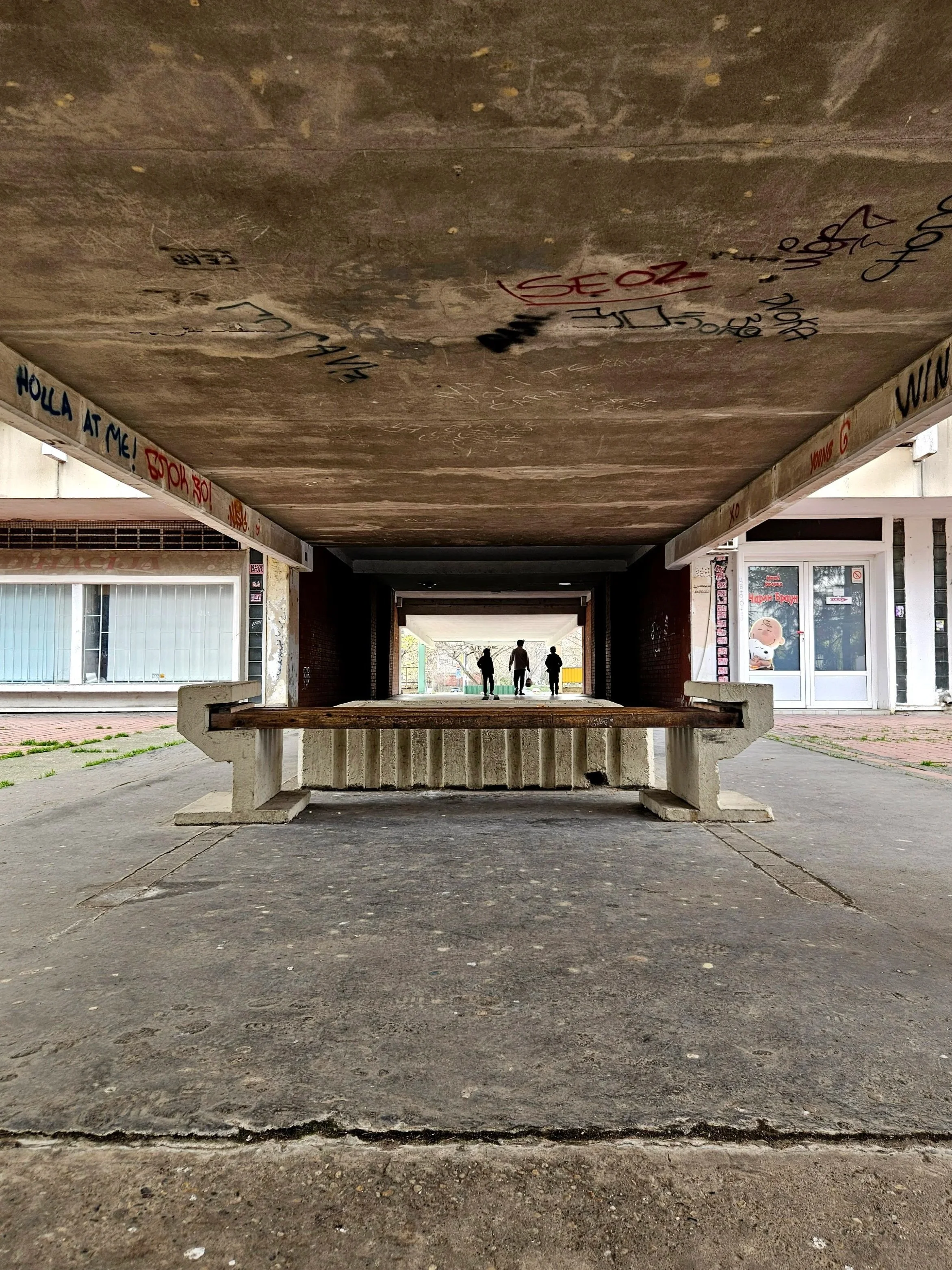
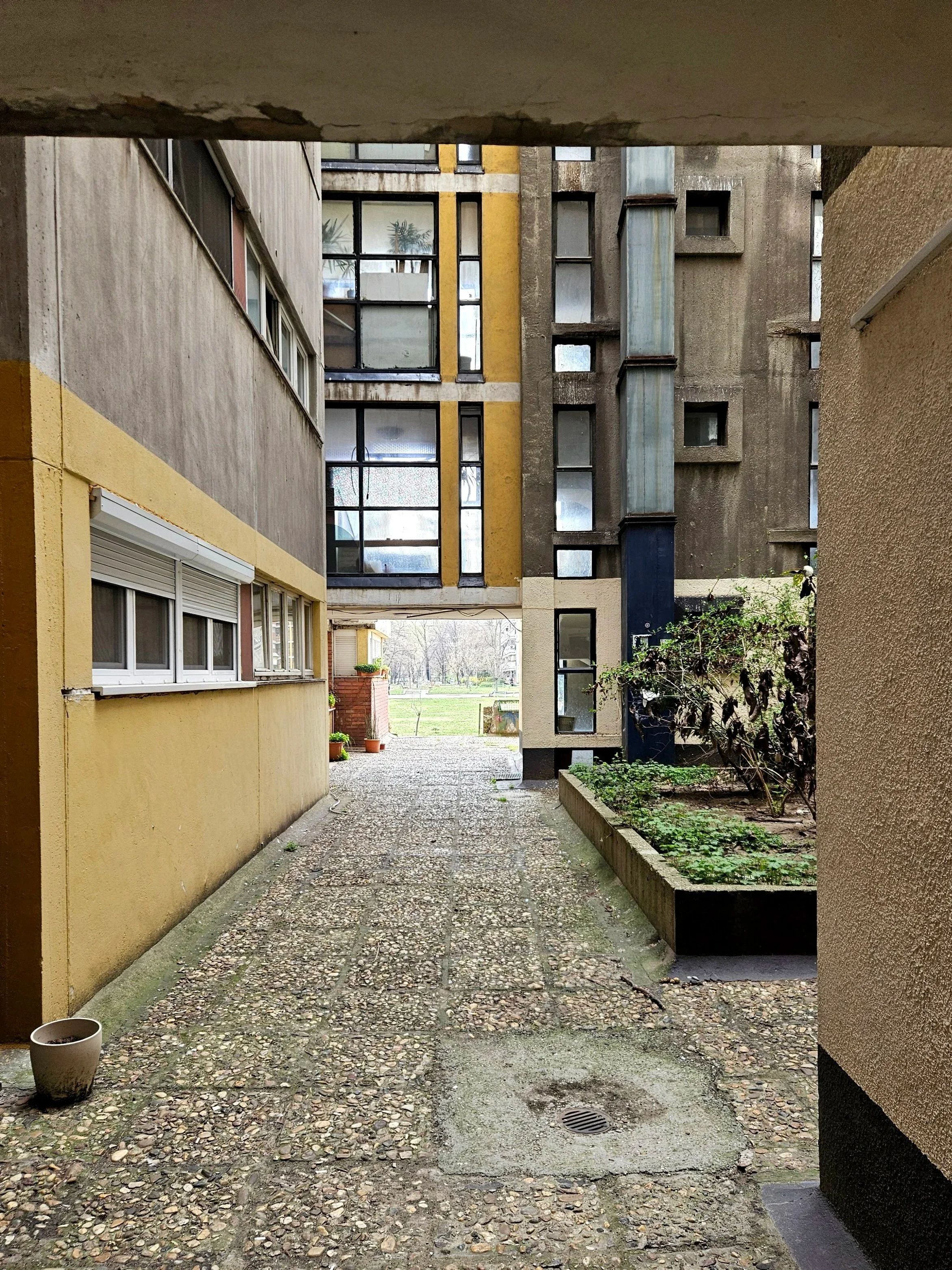
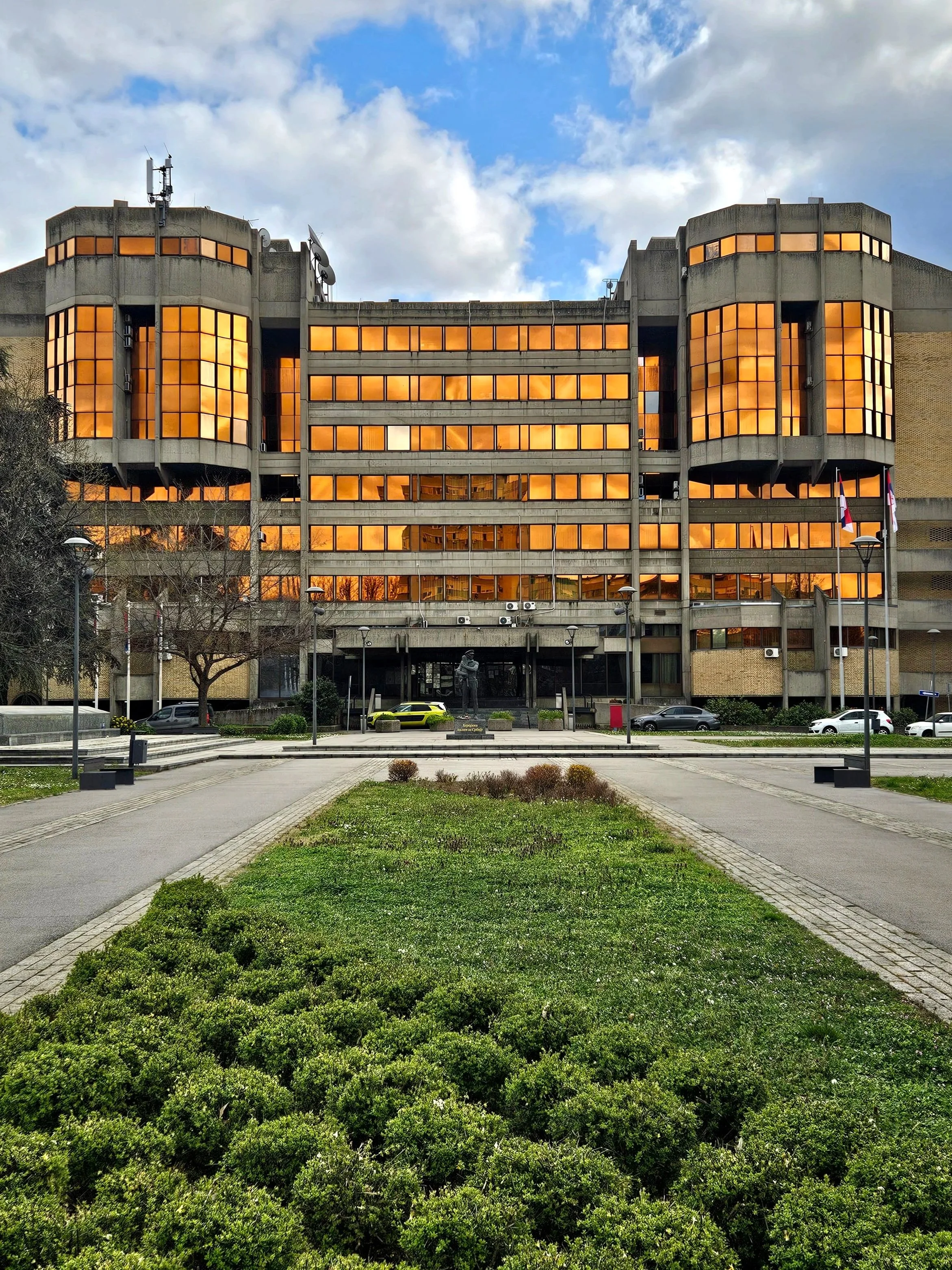
the area mainly features social housing blocks with quiet courtyards, surrounded by massive, open green spaces where kids roam. the subtle design choices, like playful facade elements and distinct balconies, show just how thoughtfully these structures were crafted, defying the common misconception about socialist modernism.
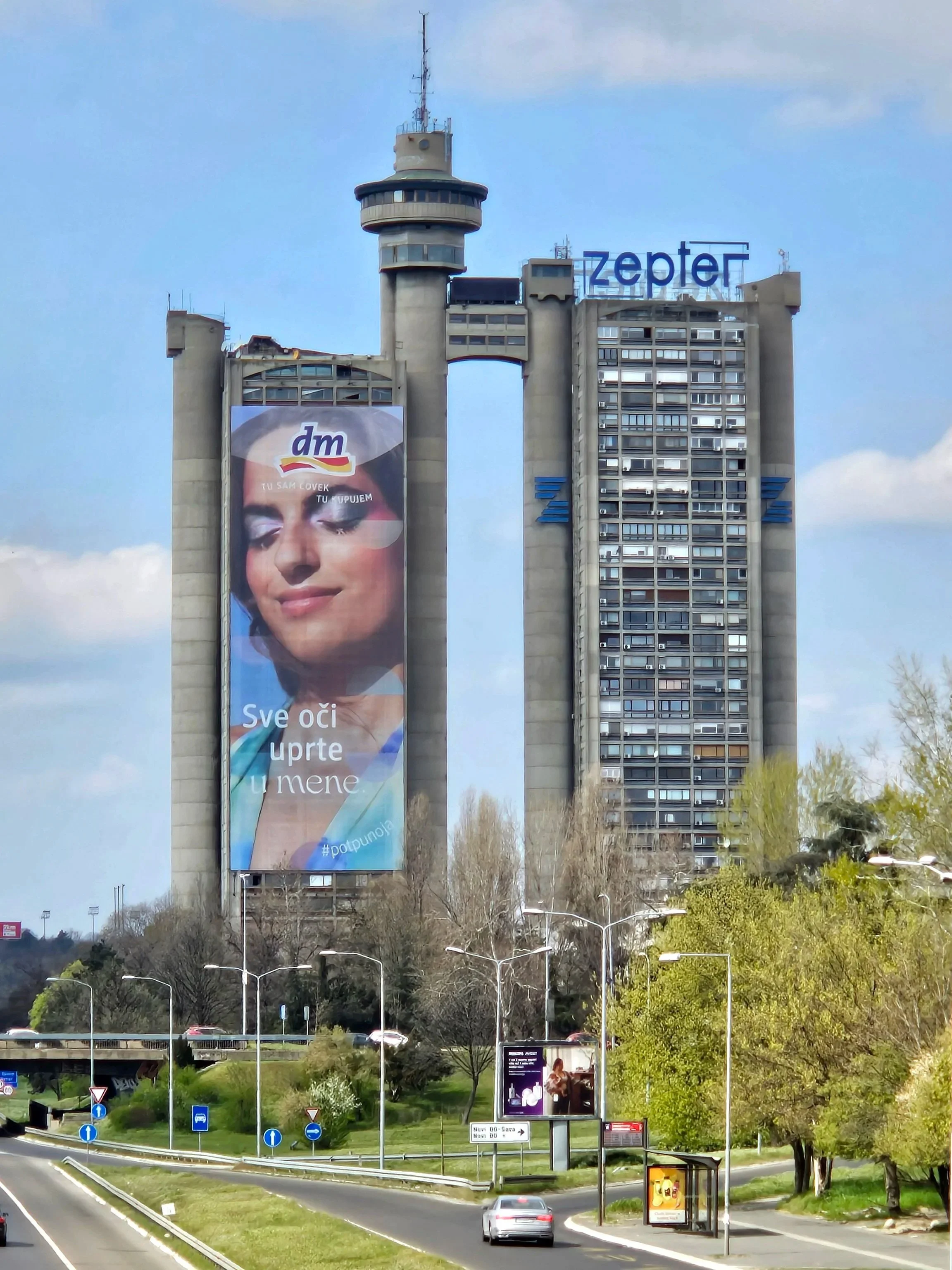
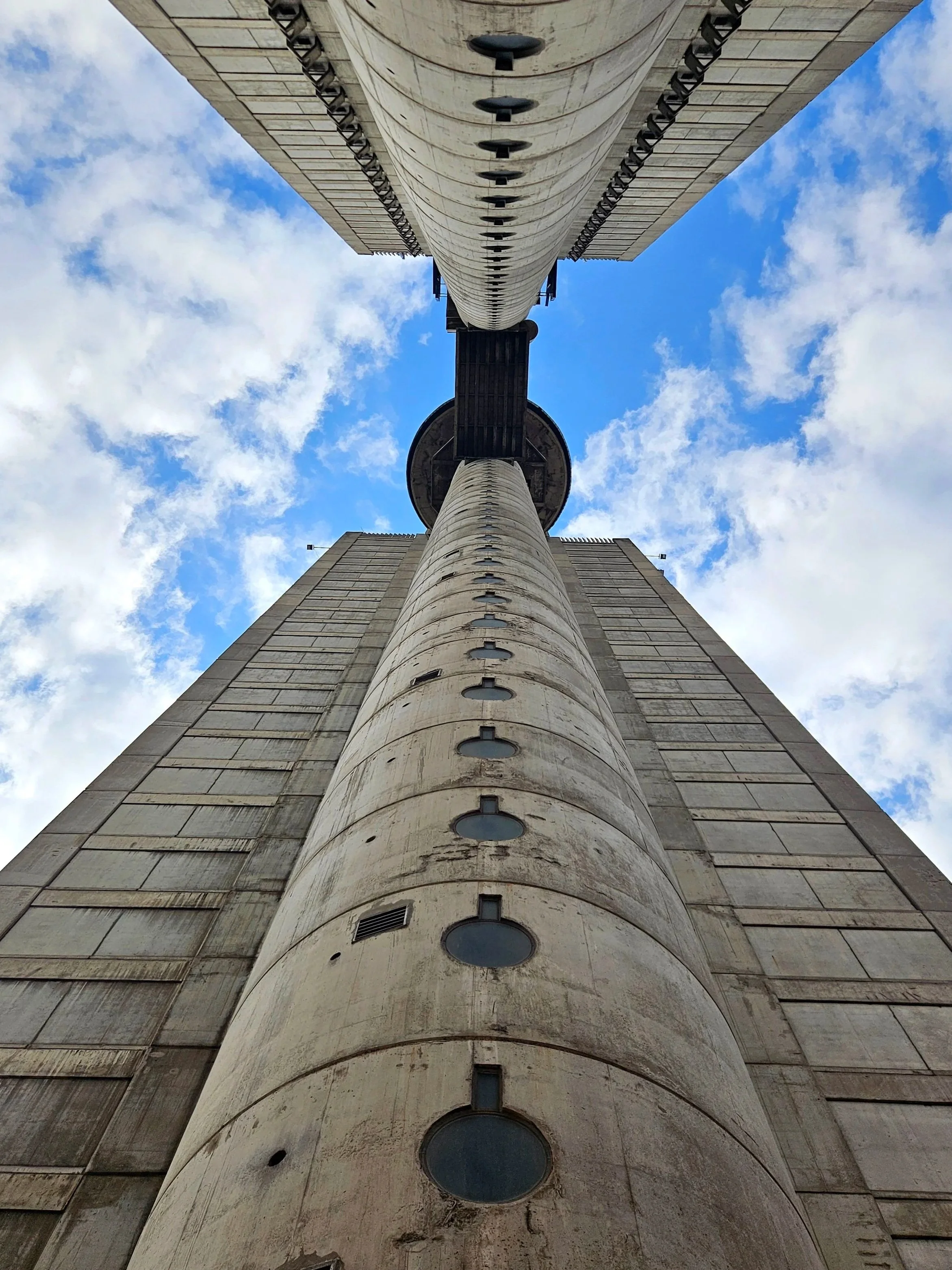
the western city gate, better known as kula geneks, is probably the most iconic element of novi beograd, welcoming the visitors coming through nicola tesla airport here.
designed by architect mihajlo mitrović in the late 1970s, this 117-meter raw concrete landmark consists of two towers connected high above by a two-story bridge: one side built for residential life, the other housed the state-owned trade enterprise genex.
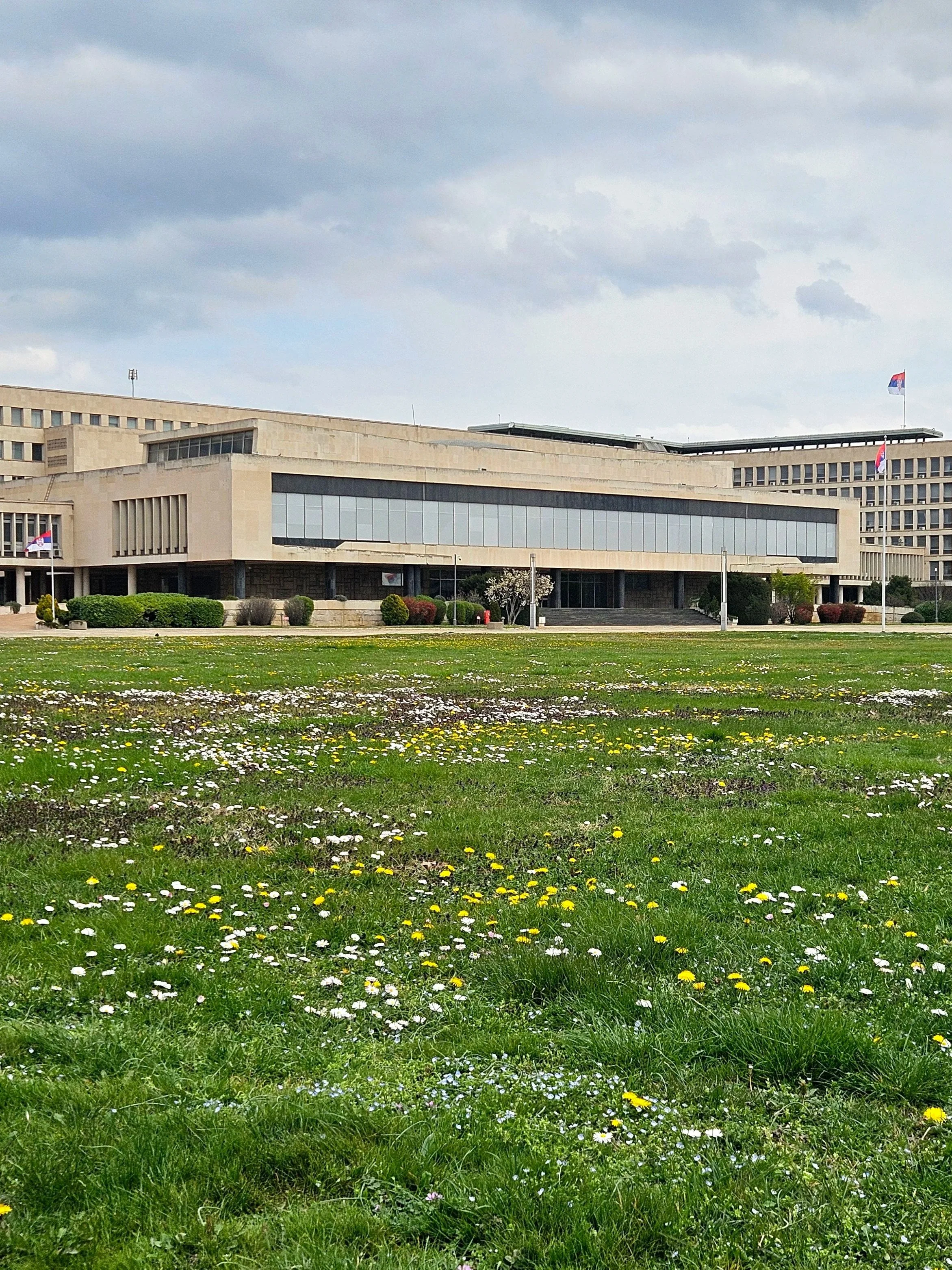
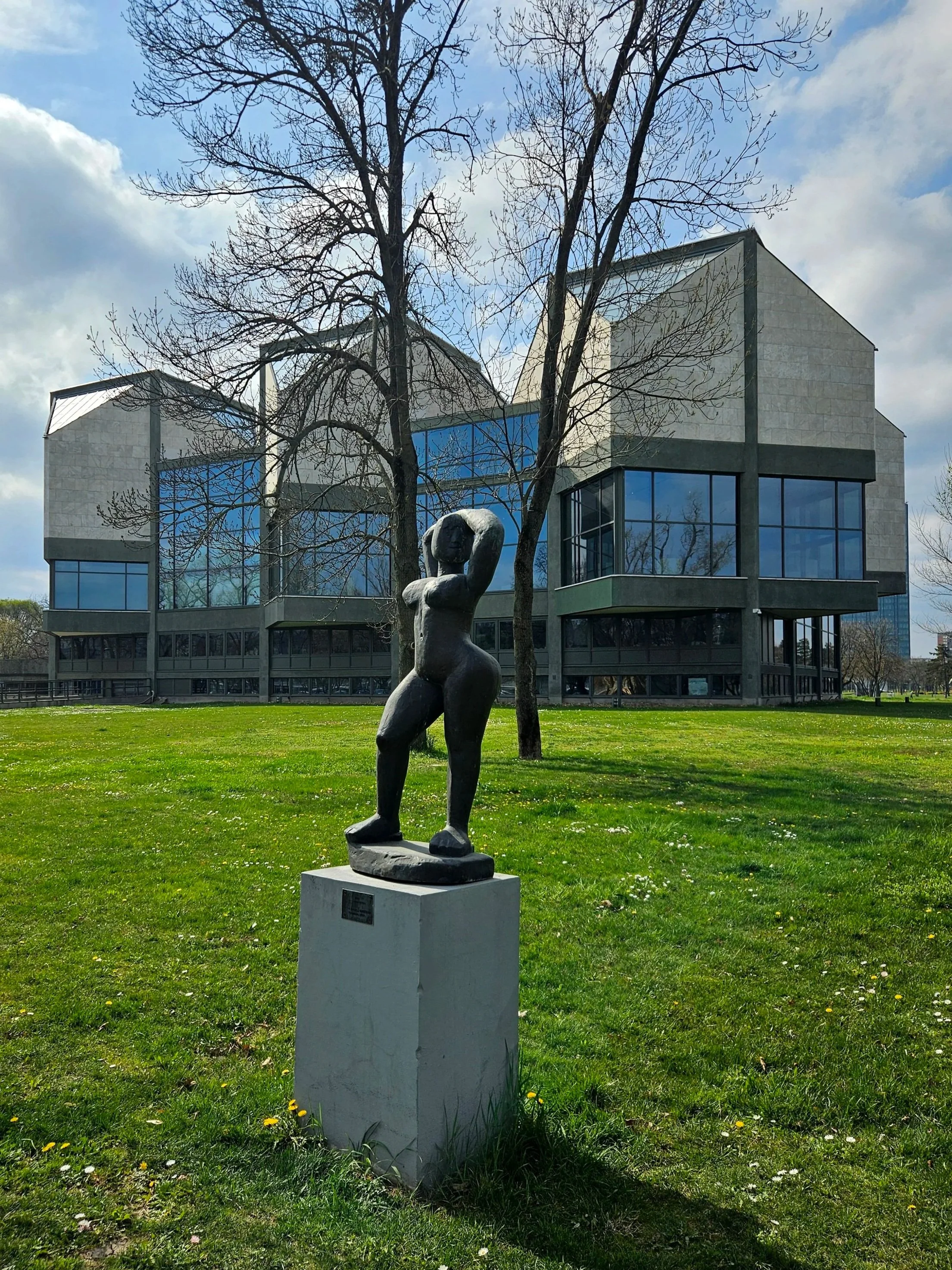
nearby, public structures like the monumental palace of serbia and museum of contemporary art further showcase the ambitious scale of this brutalist era.
venues
belgrade is also known for an incredible mix of rich culinary heritage and modern cafes across its historic quarters.
cevabdzinica savcic dorcol is an absolute must-visit for traditional cevapi in a lively, authentic atmosphere and kafeterija magazin 1907 provides an ideal post-walk rest stop in a grand historic building.
for late hours, druid bar near kalemegdan is a hidden sanctuary with an intimate interior design for cocktail enthusiasts.