cairo
cairo is not a single city, it is a convergence of different urban worlds, reflecting diverse communities, historic layers, and shifting architectural styles. Moving through the city feels less like exploring a single metropolis and more like jumping between completely different eras.
here’s a breakdown of cairo key highlights…
coptic cairo
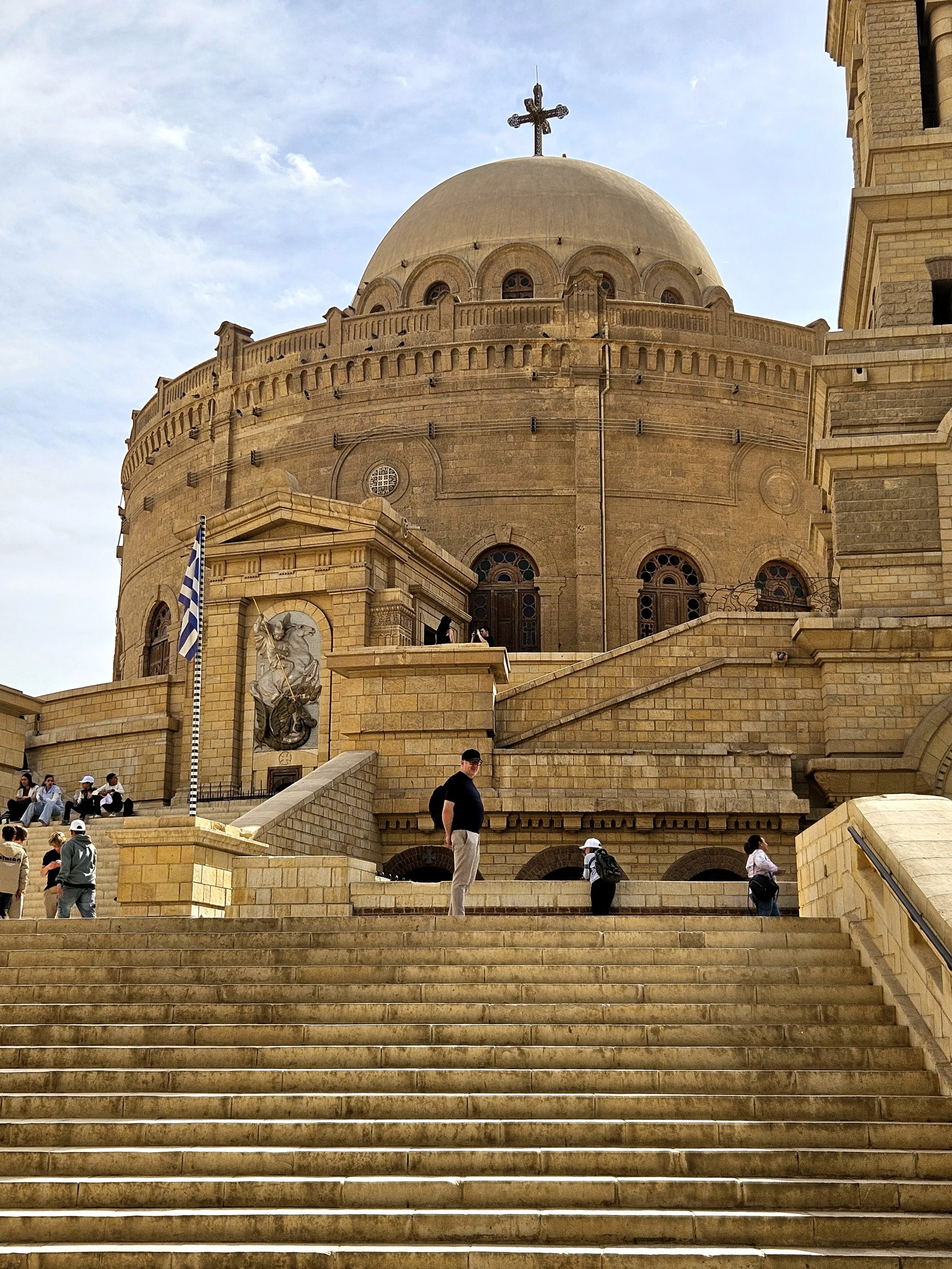
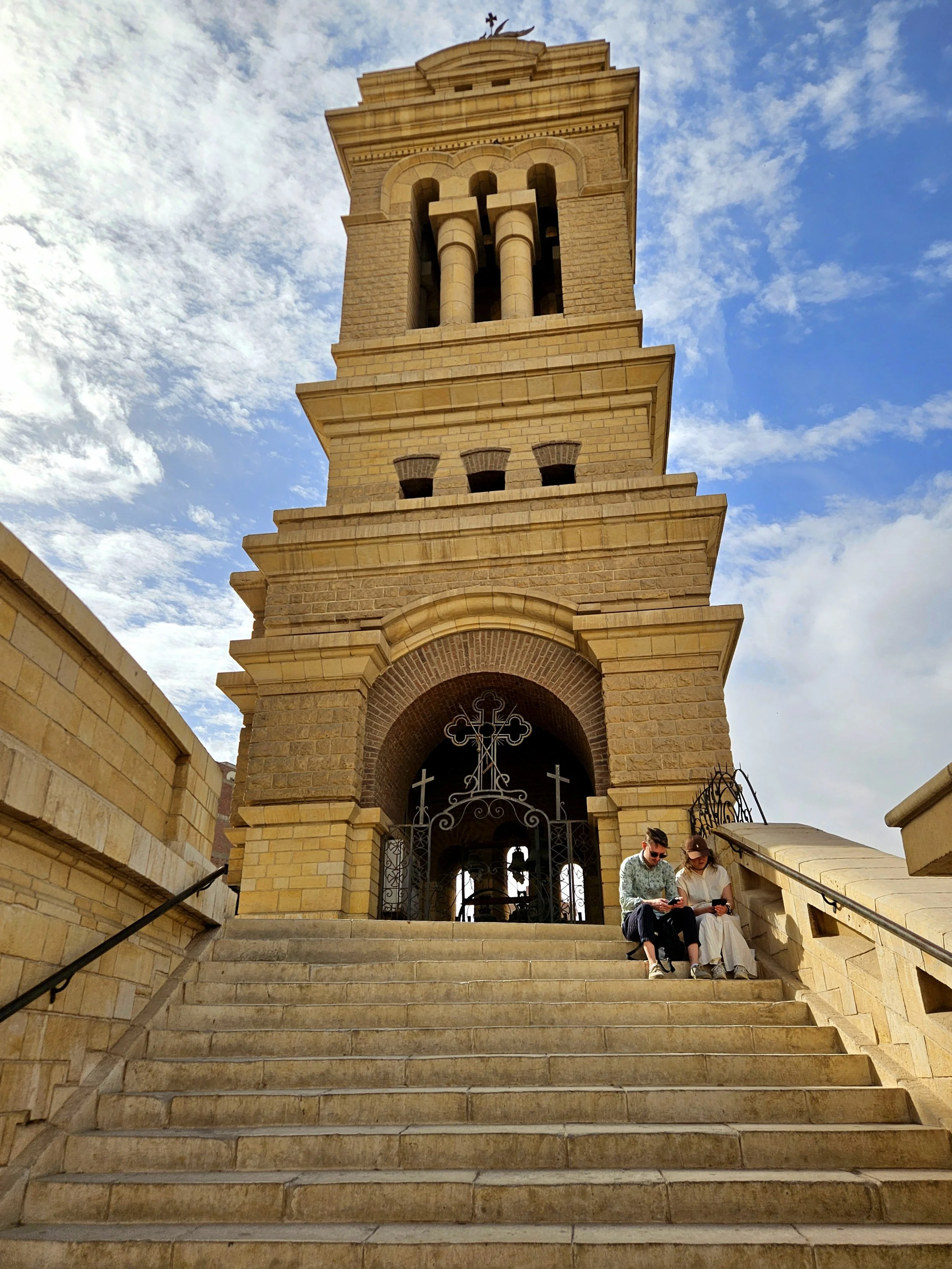
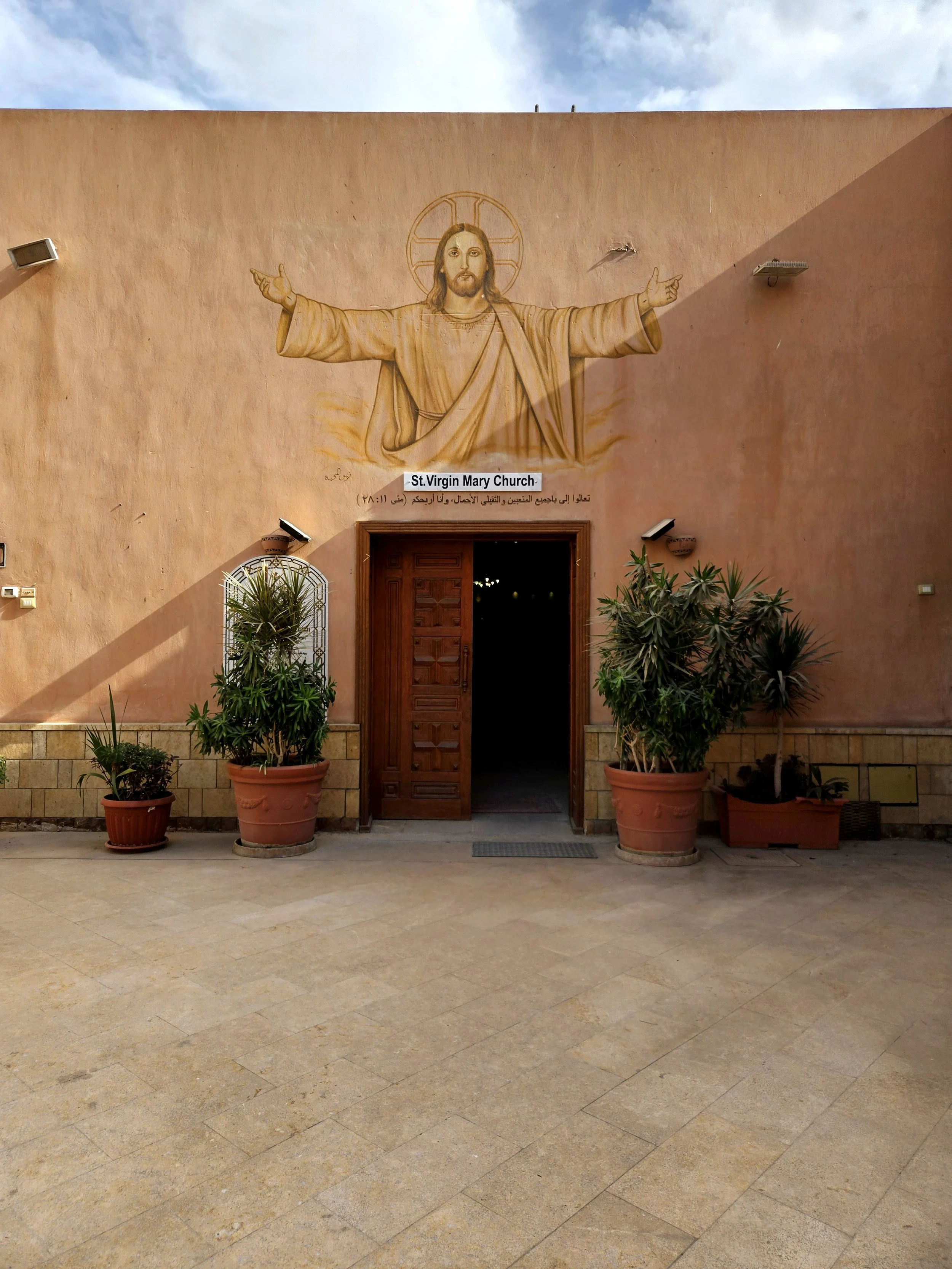
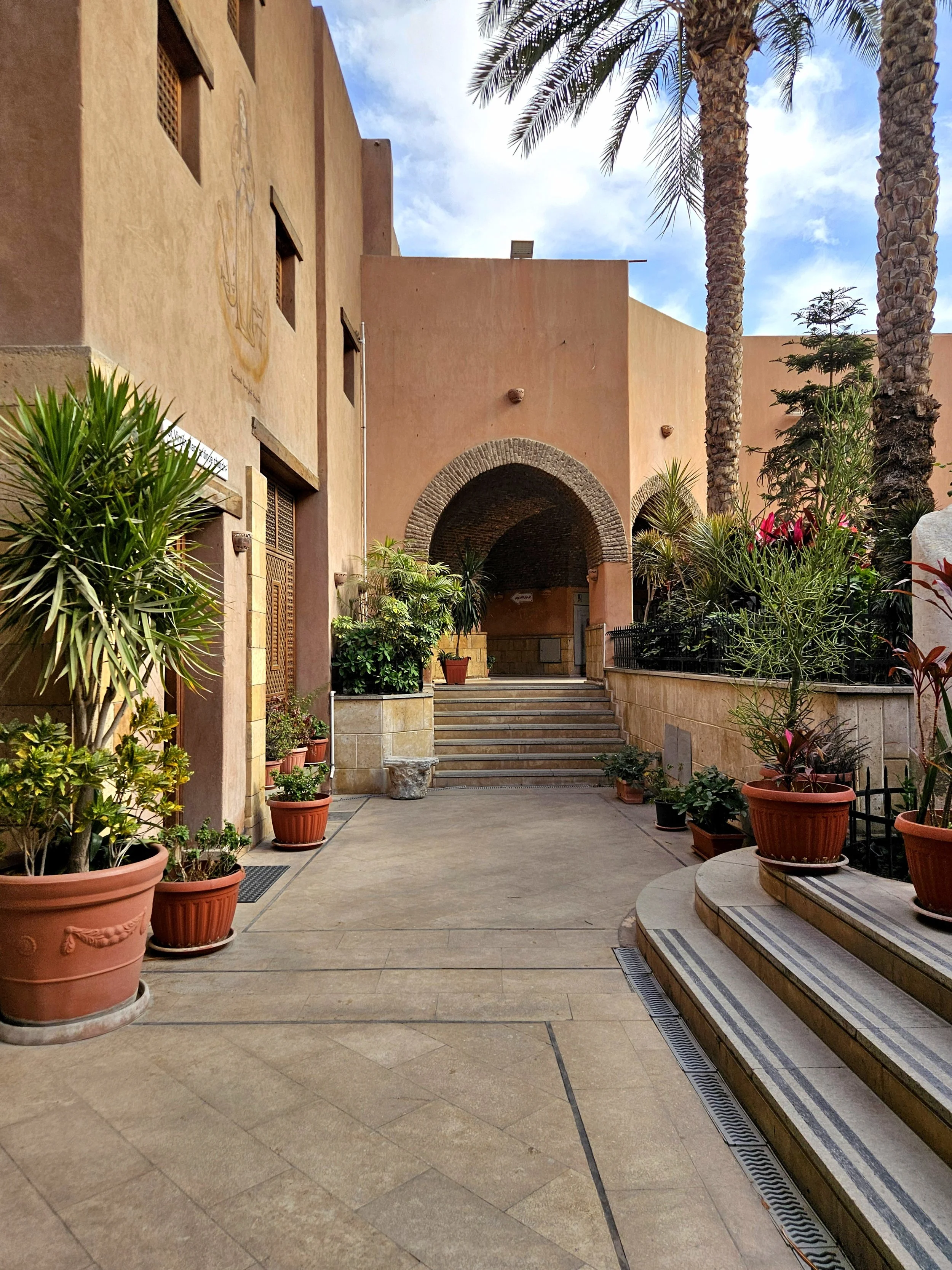
coptic cairo is the oldest part of the city, built directly on top of the ancient roman fortress of babylon. as the closest direct link to the ancient egyptians, the copts have preserved this area for centuries, and their christian heritage still defines the district today.
thick stone walls and narrow passageways isolate the district from the surrounding city. early christian churches like the famous hanging church are built right into the old roman towers, creating a unique space that feels dense and peaceful.
islamic cairo
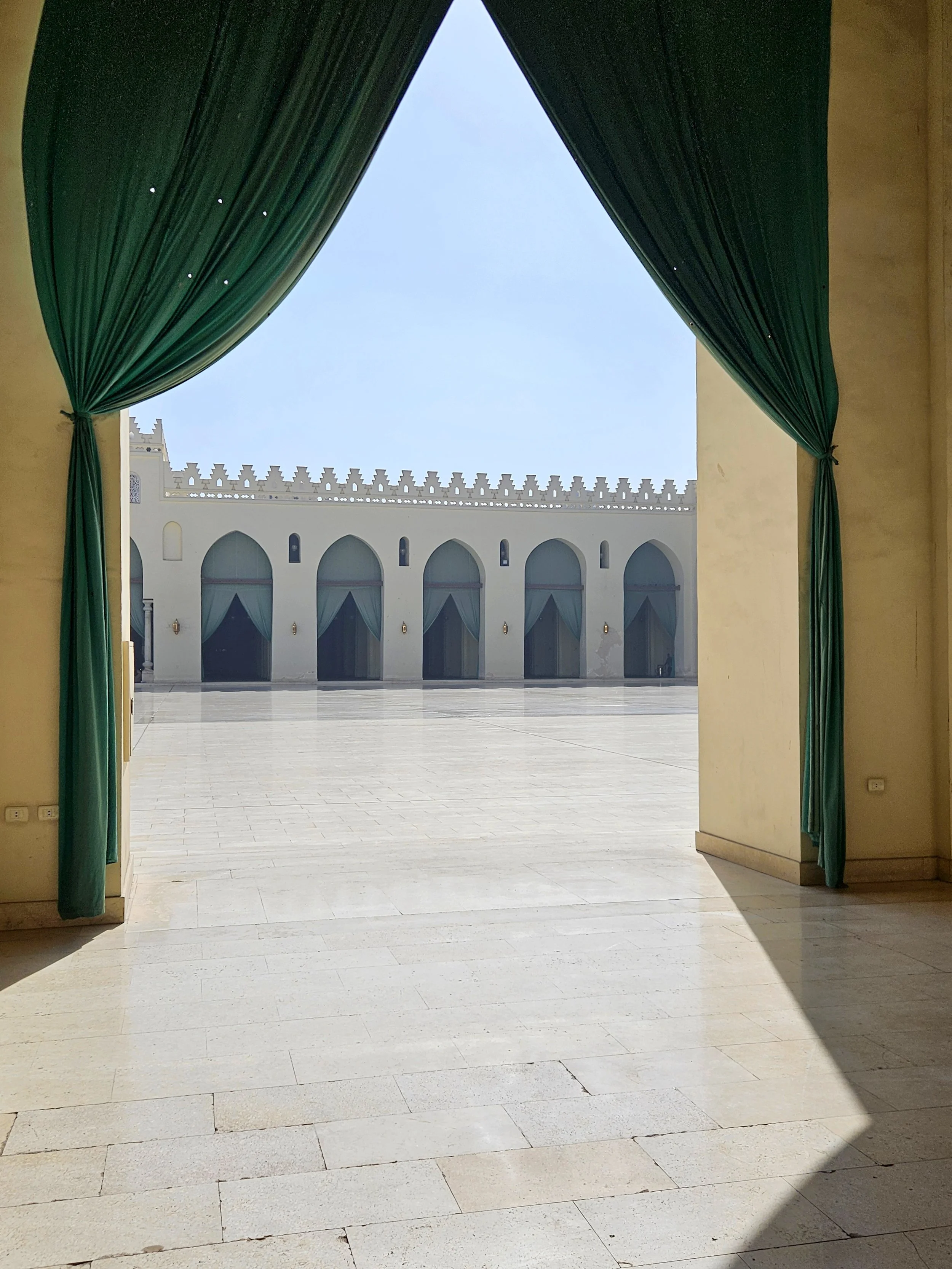
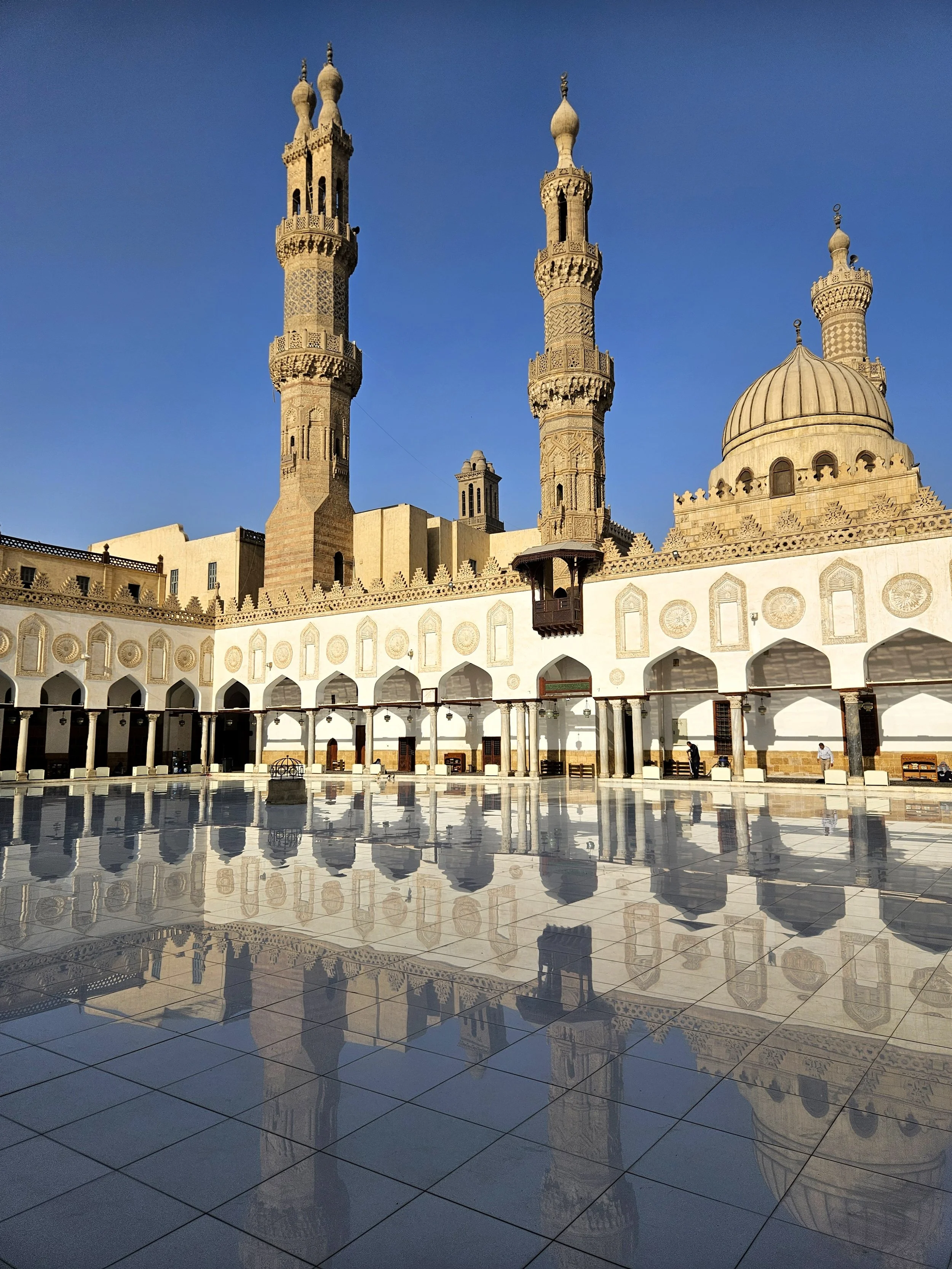
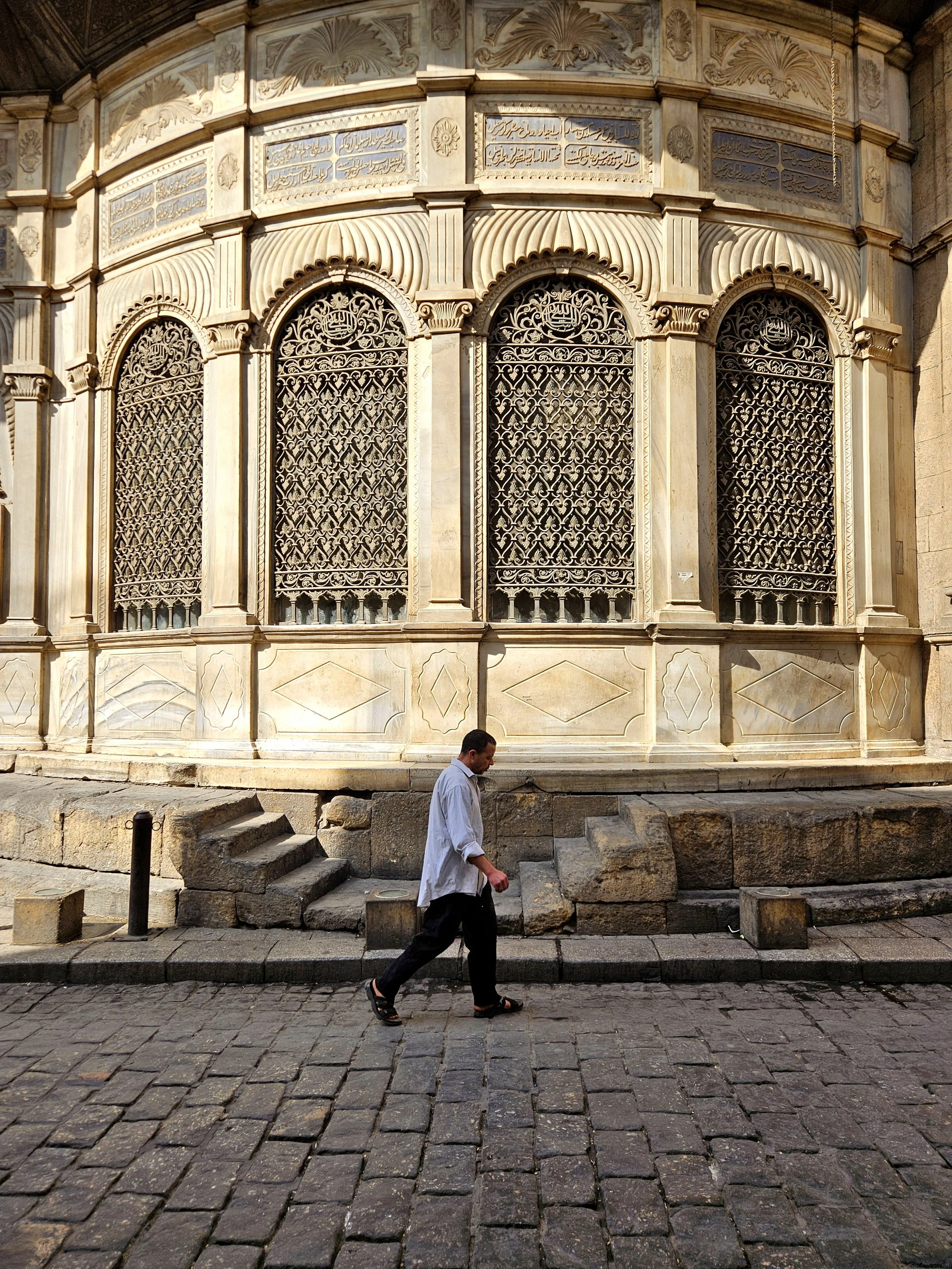
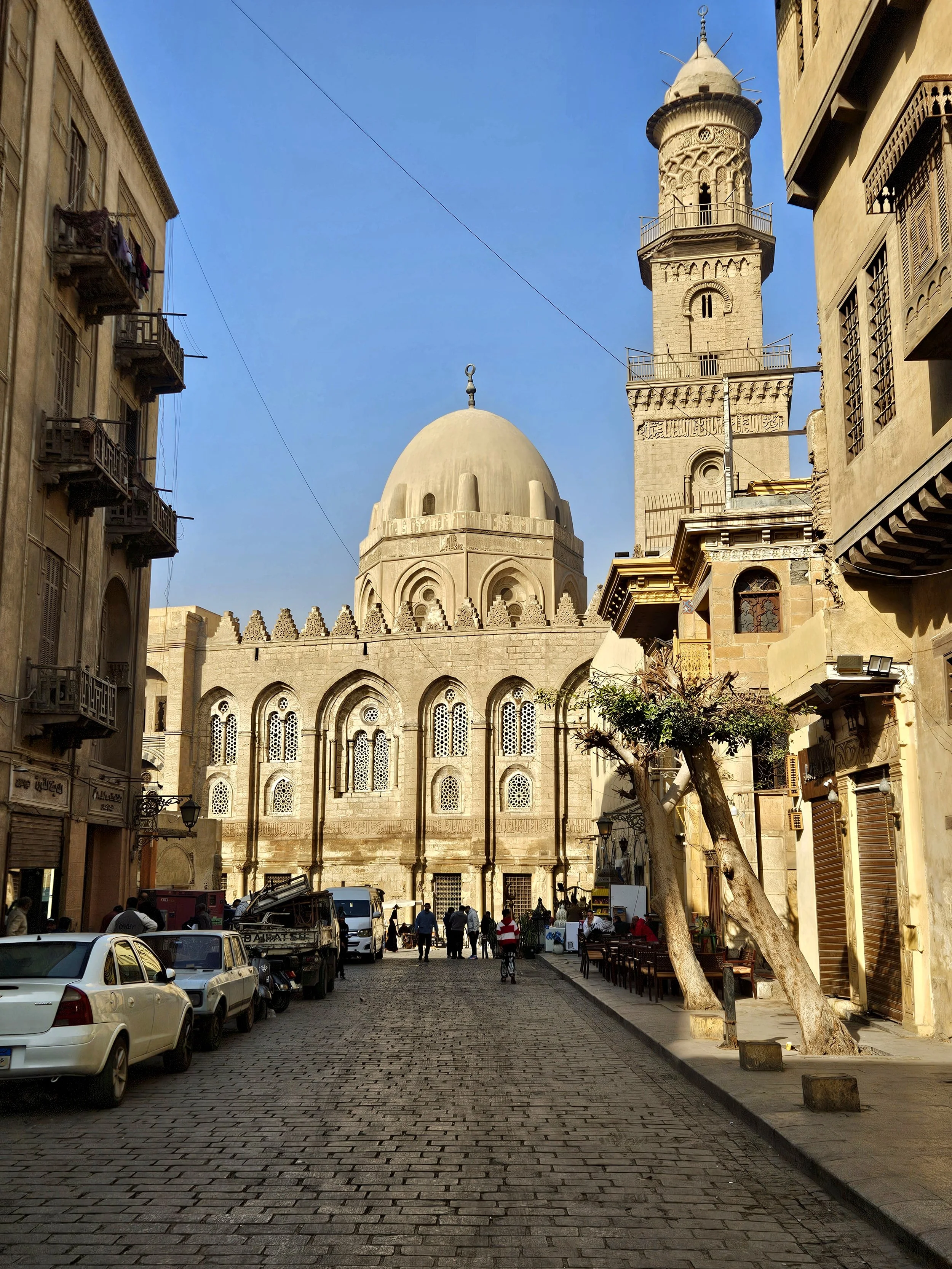
khan el khalili stands as a great example of the islamic era in the city. as cairo’s medieval center, this district is built on a compact, human scale with narrow walkways framed by fatimid and mamluk monuments, towering minarets, and detailed stone carvings.
major highlights include landmark mosques and madrasas with quiet courtyards, like the qalawun complex, al-azhar, and al-hakim, just steps away from crowded bazaar lanes that have maintained their physical layout for nearly a thousand years.
downtown cairo
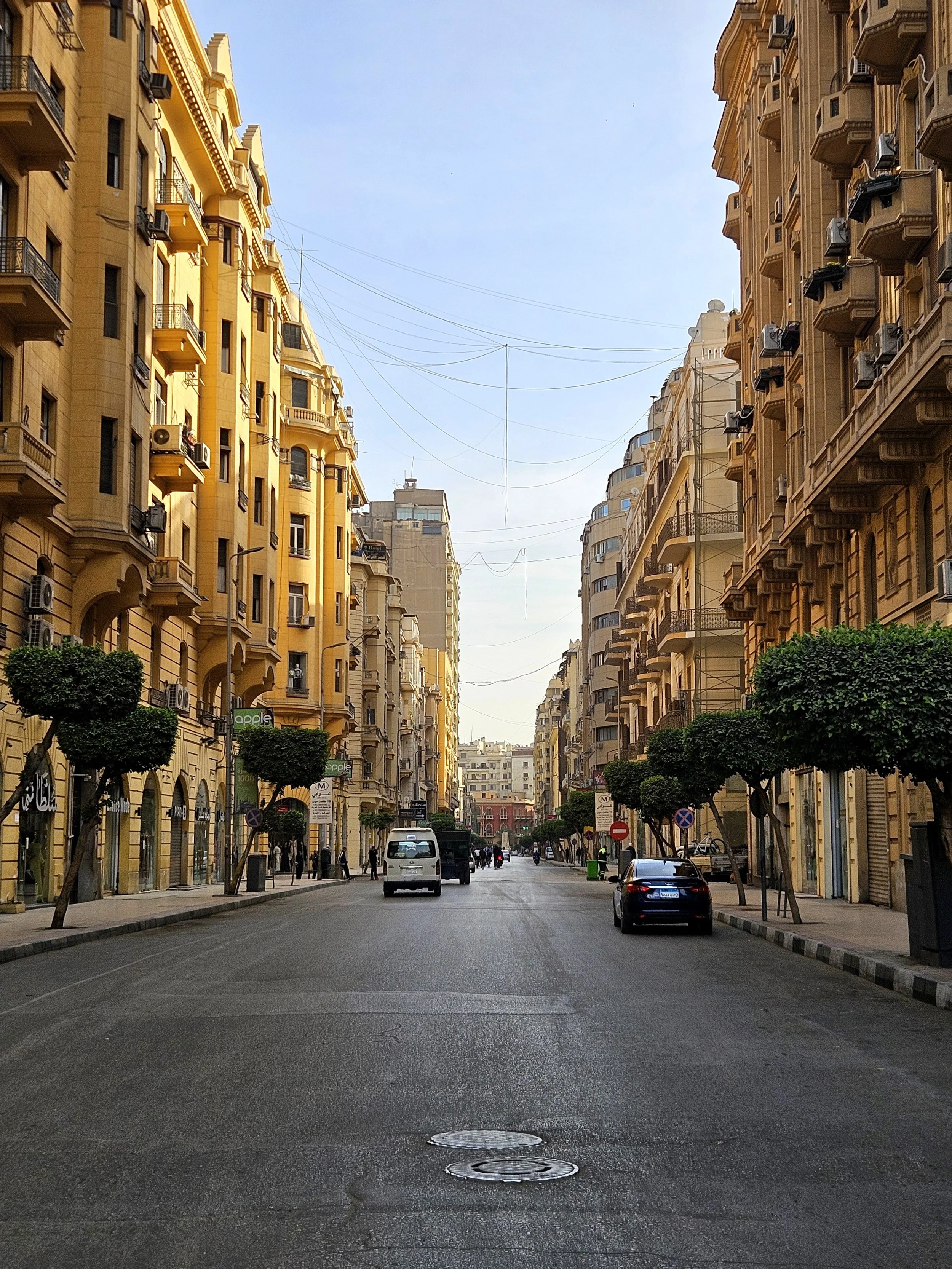
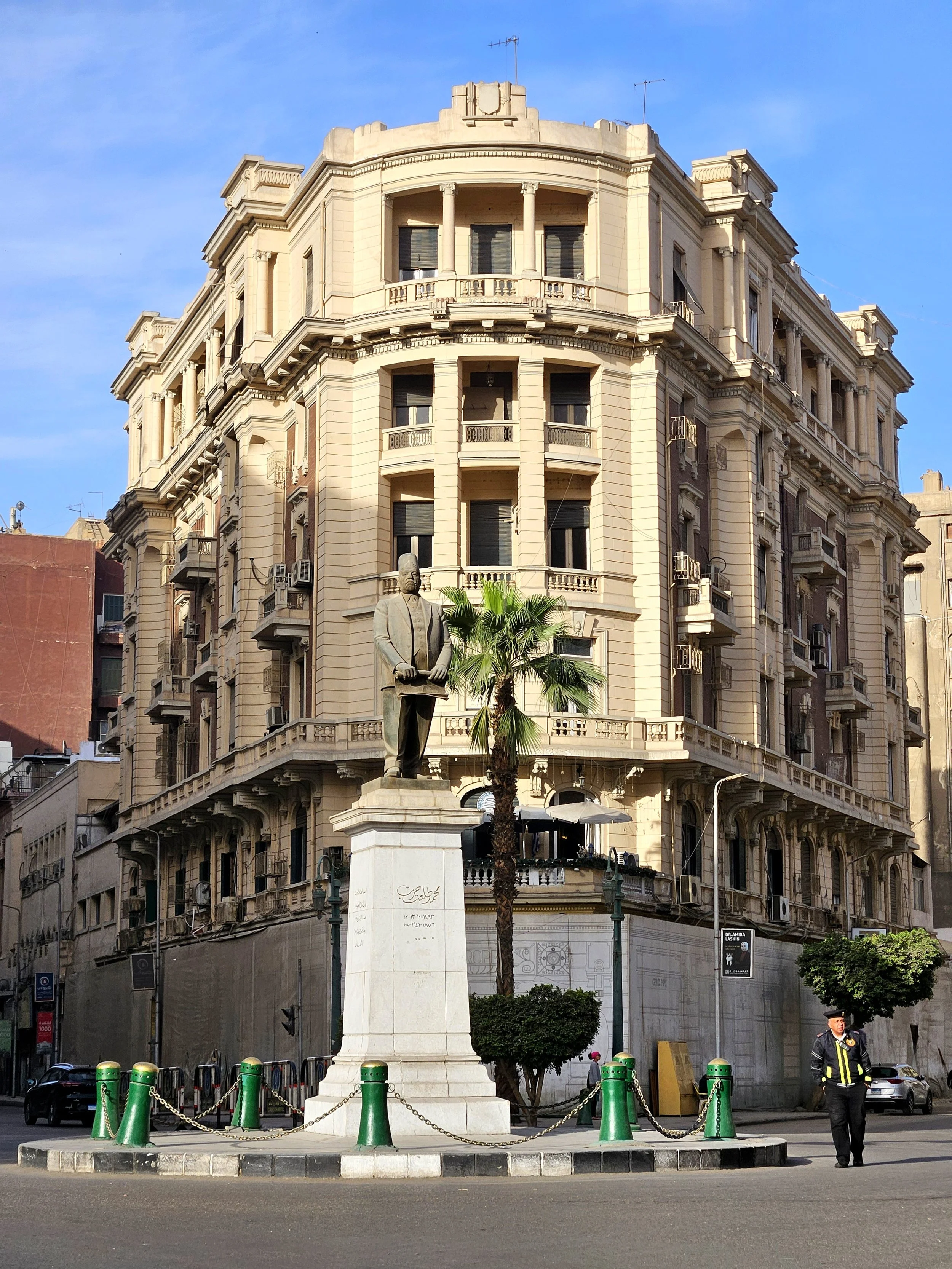
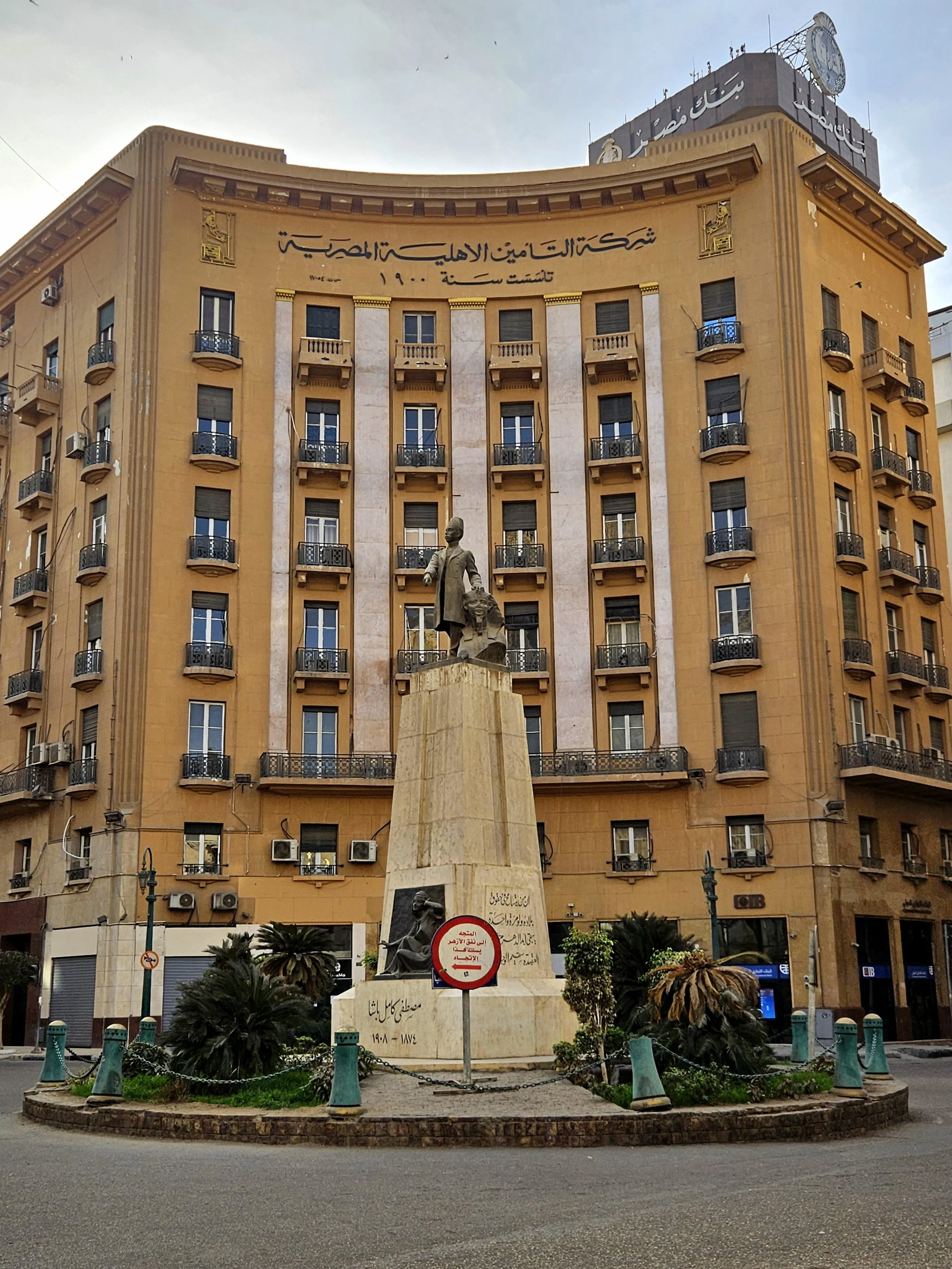
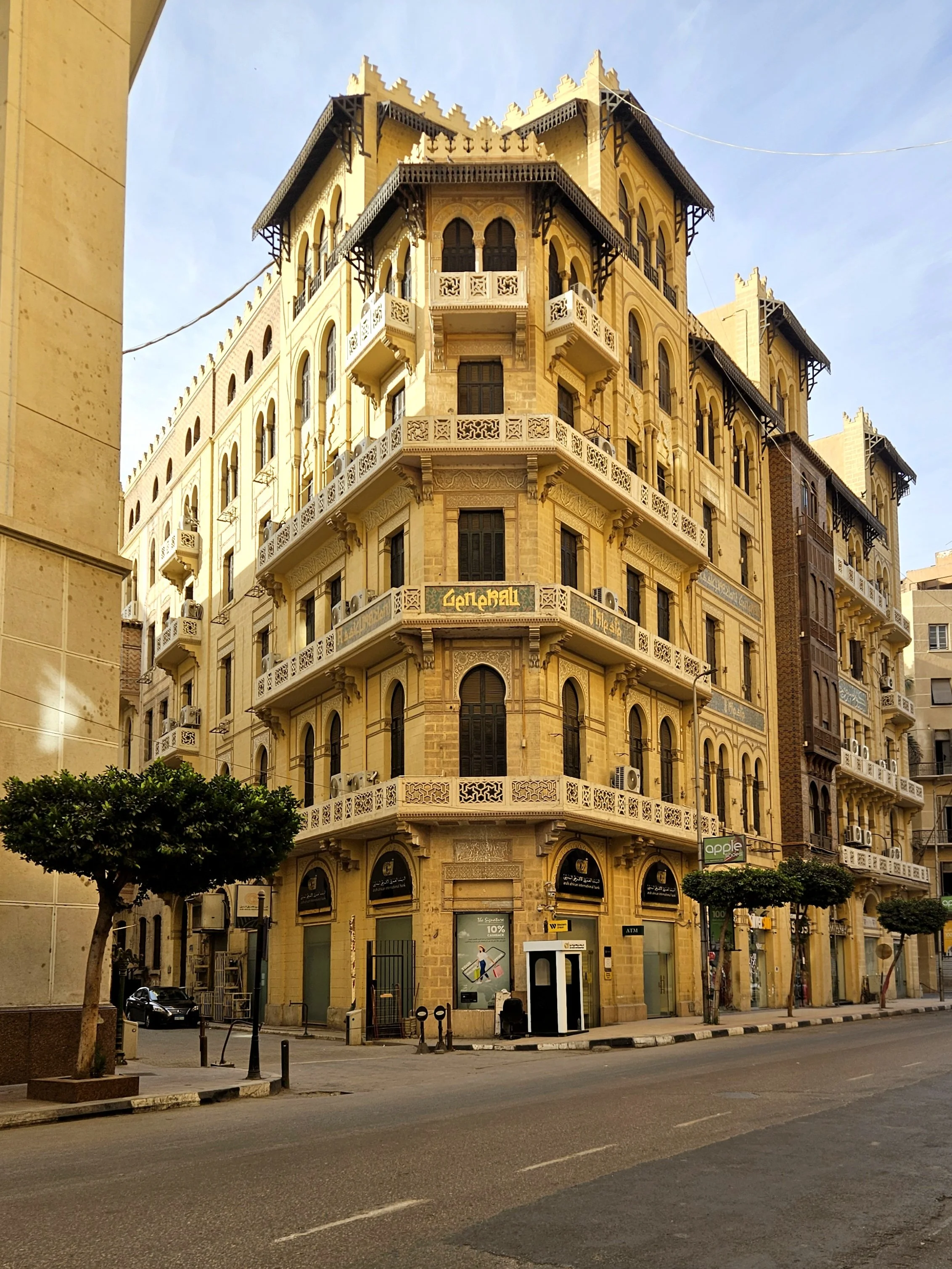
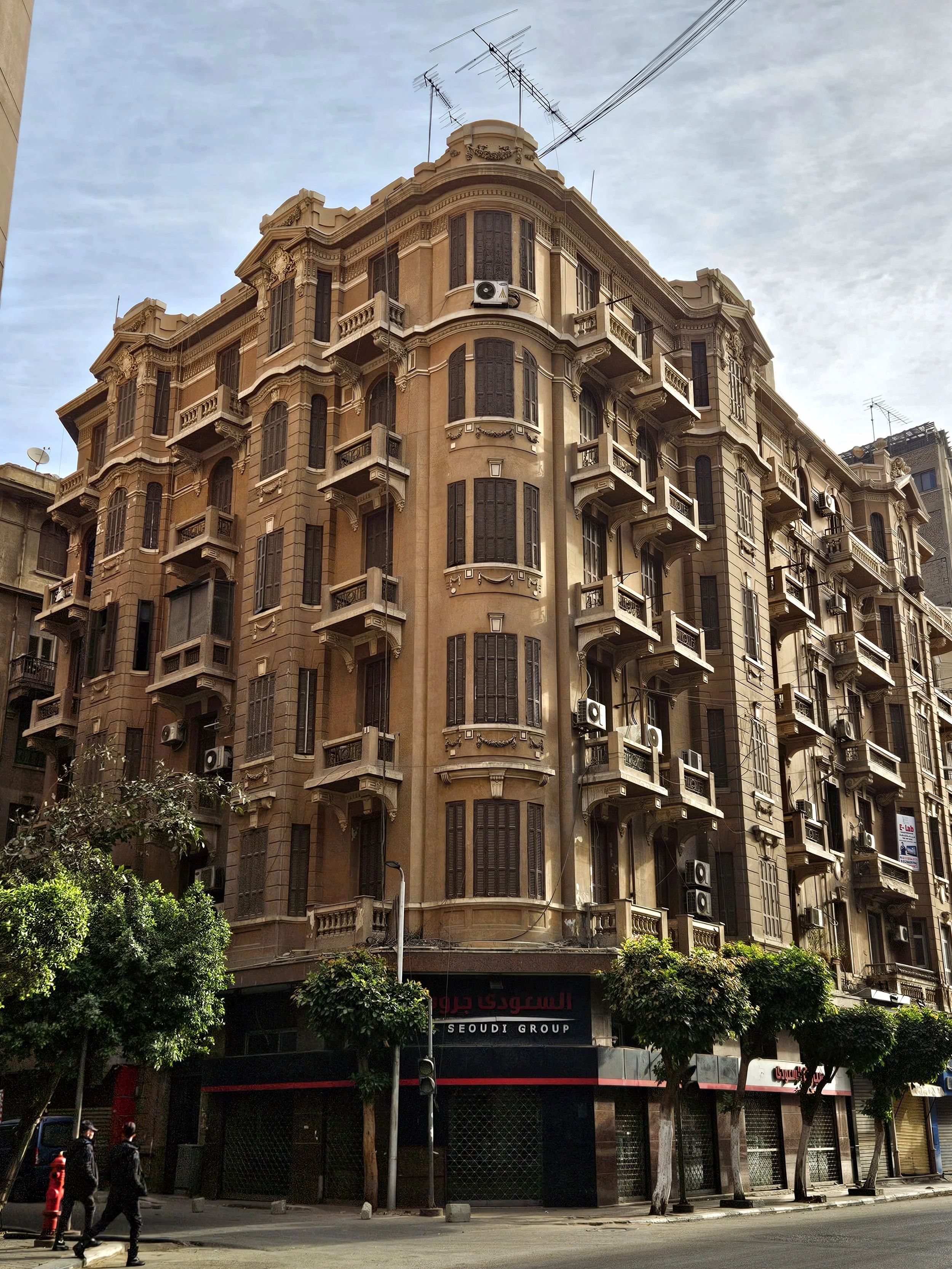
in the late 19th century, egypt’s ruler ismail pasha embarked on major modernization efforts across egypt. during his reign, he transformed downtown cairo into a european-style district inspired by paris. radiating from great roundabouts like tahrir square and talaat harb square, the downtown features broad avenues, covered arcades, and grand residential blocks.
today, these neoclassical facades carry a weathered look, but their detailed balconies and tall timber doorways still show off the original craftsmanship. walking through the downtown, one can easily feel the shift from medieval urban maze to formal 19th-century urban planning.
zamalek
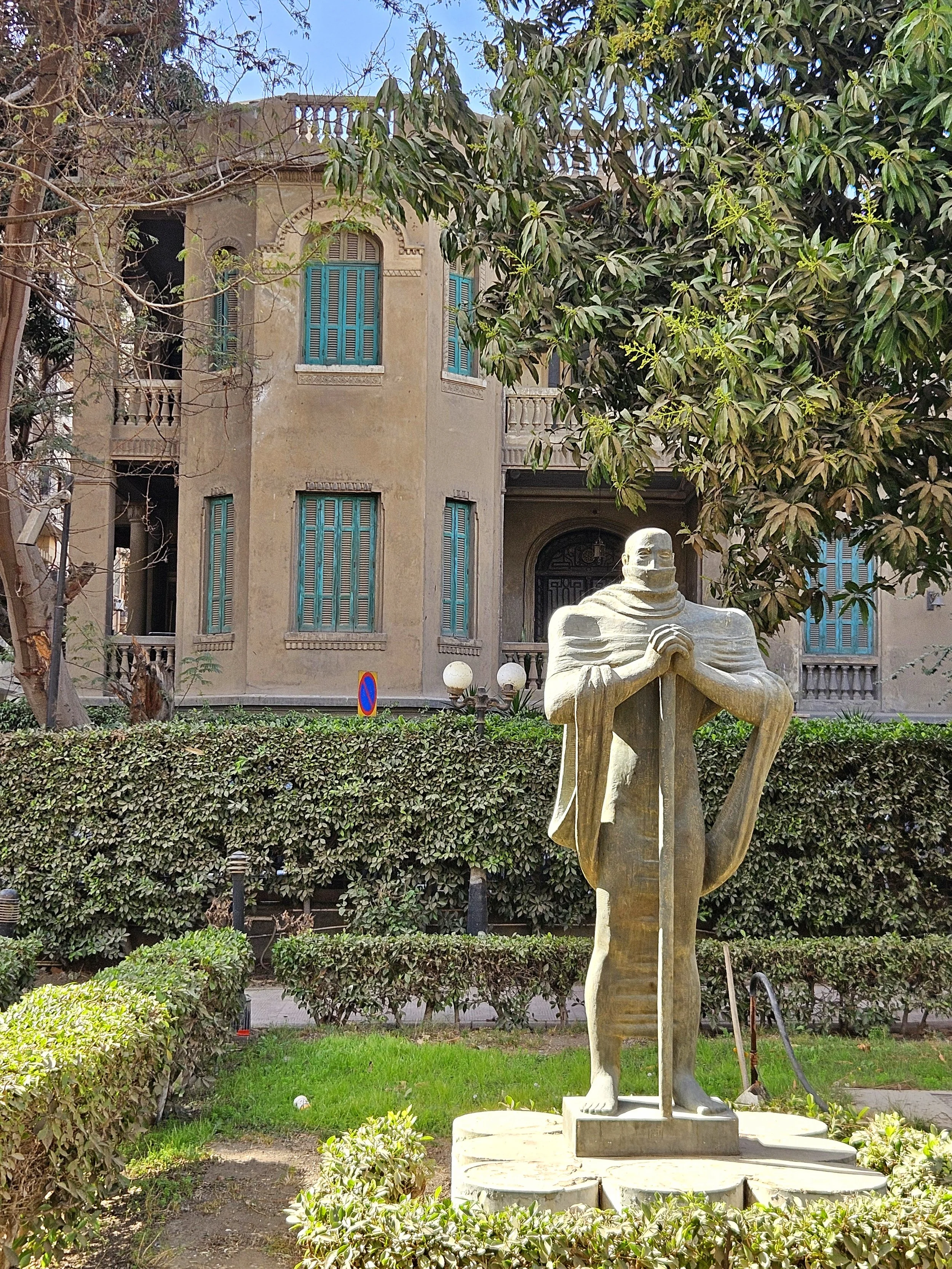
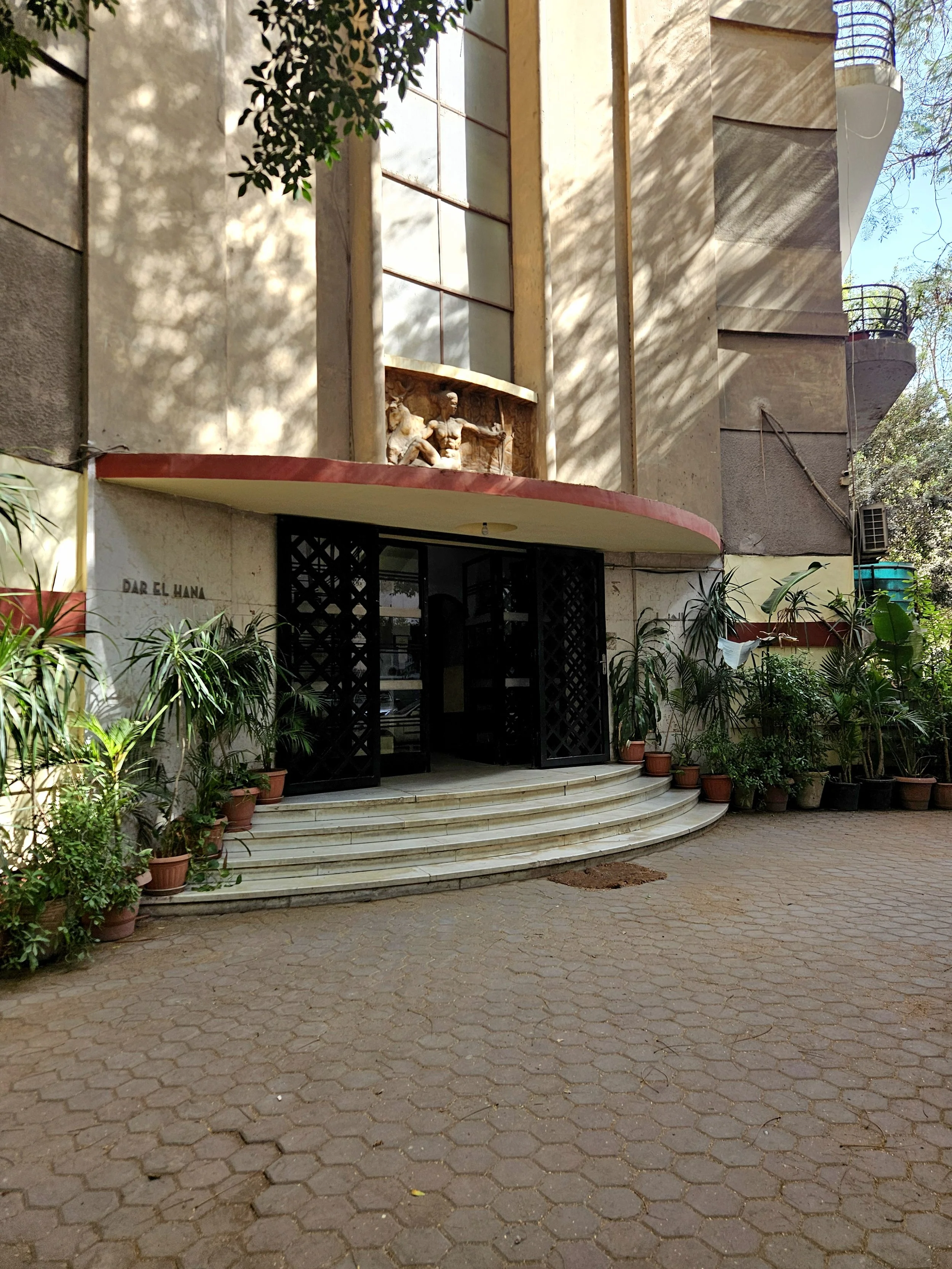
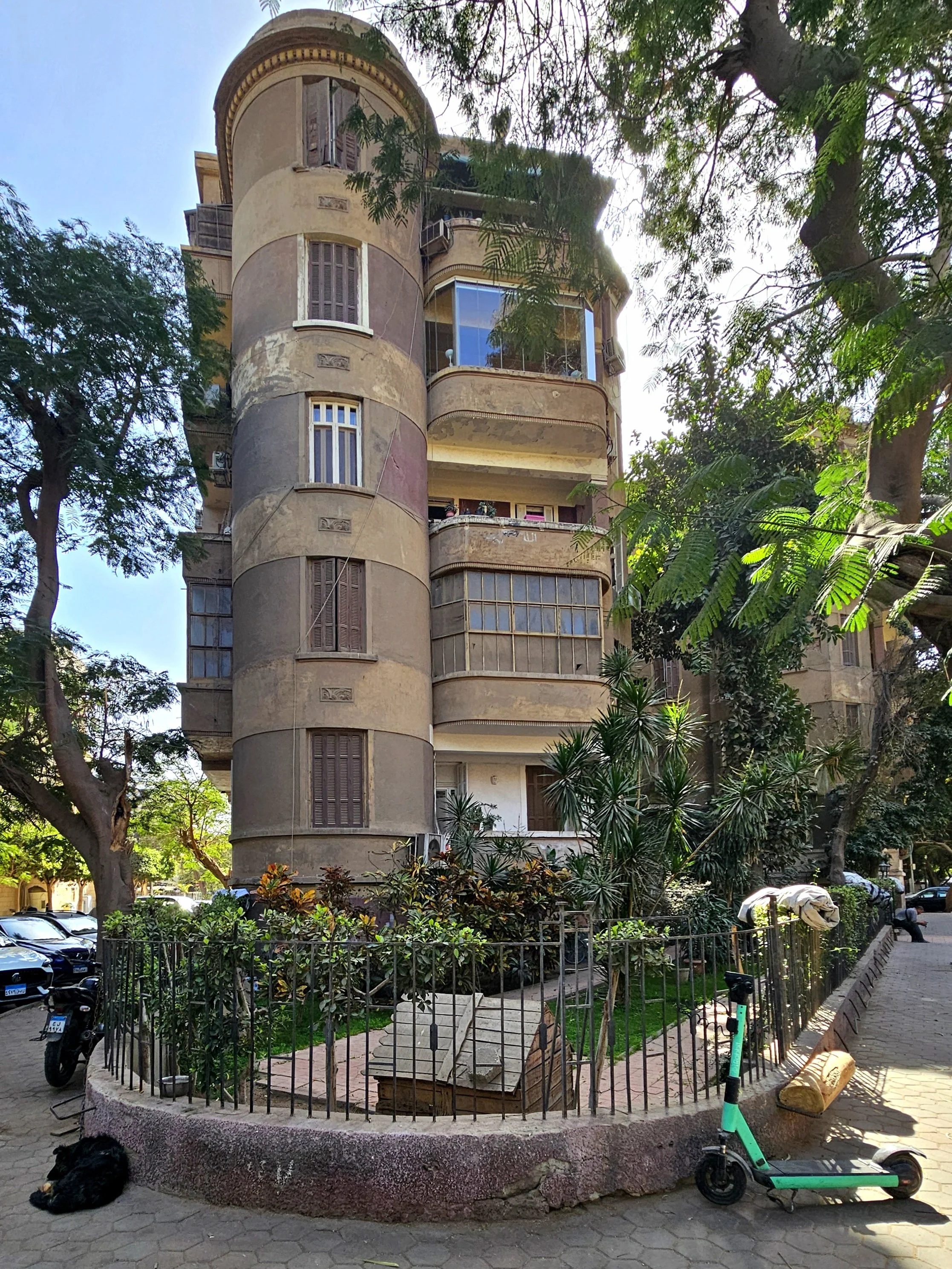
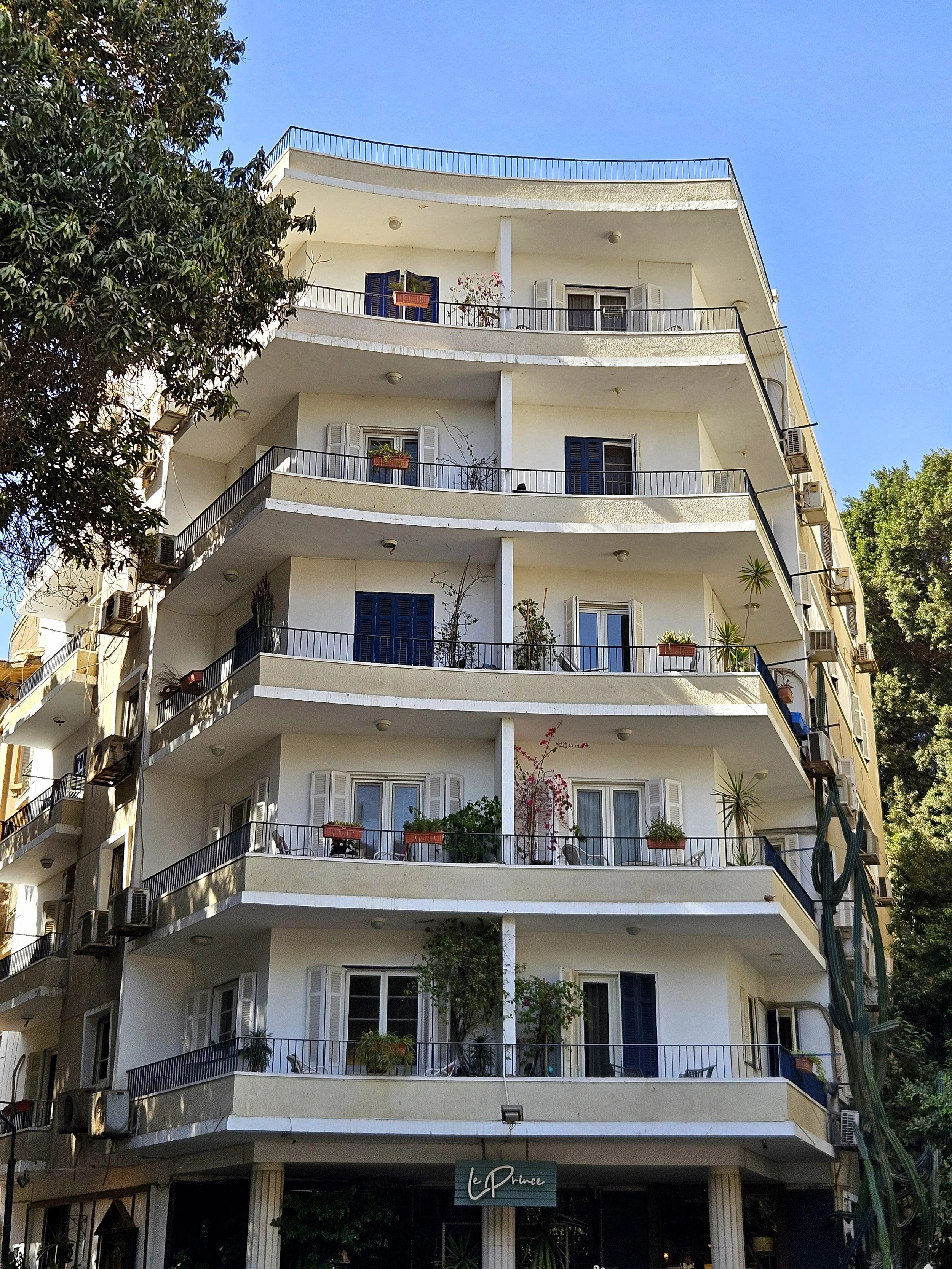
occupying the northern half of gezira island in the middle of the nile, zamalek offers a completely different urban rhythm. originally developed as a leafy garden suburb, the neighborhood is defined by tree-lined streets, quiet residential avenues, and mid-20th-century apartment blocks.
it’s an area where sidewalk cafes, art galleries, and embassy gates sit shaded under massive banyan trees. the island geography insulates it from the heavy traffic of the mainland, making it one of the city's most walkable pockets.
nile corniche
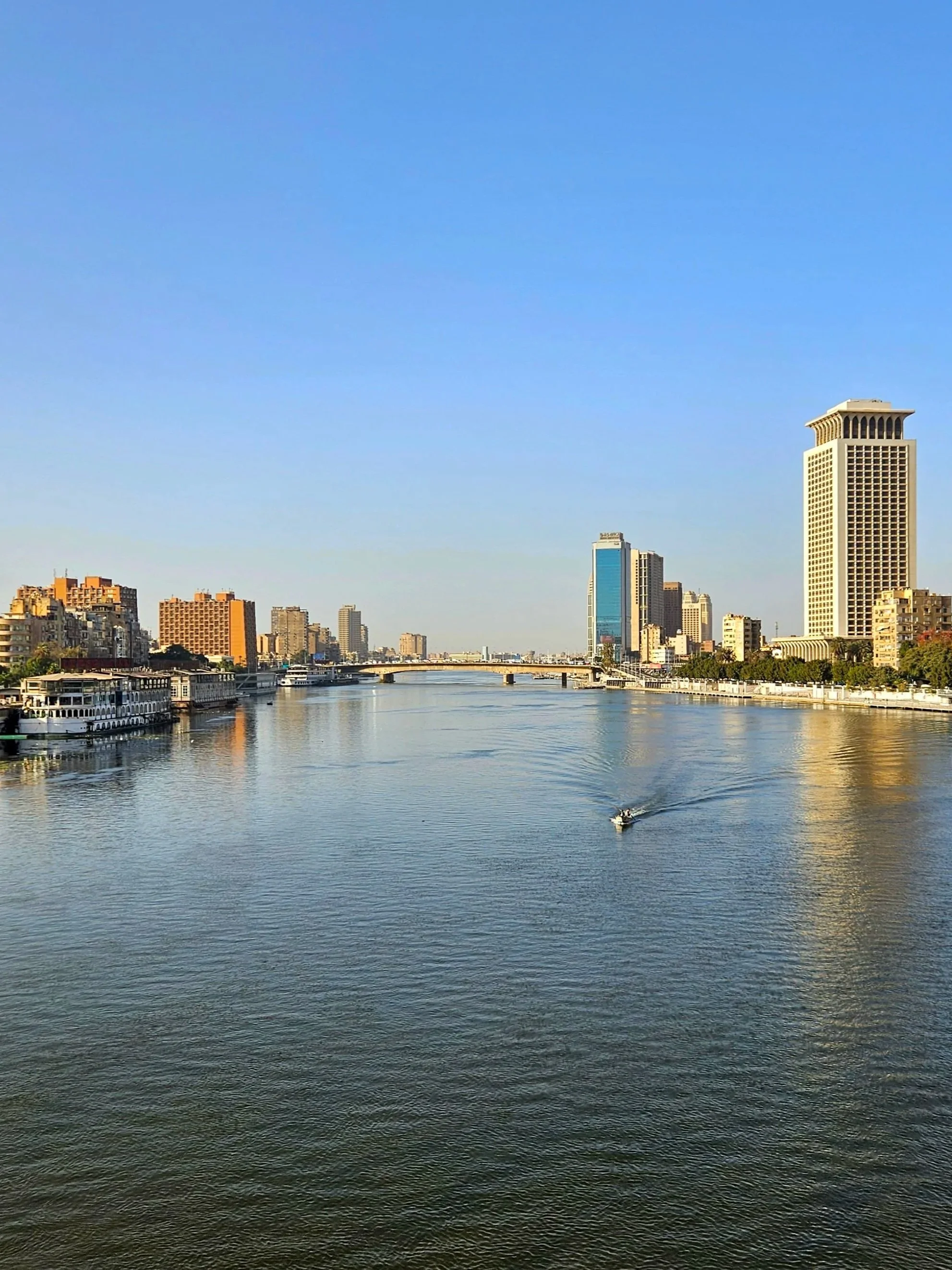
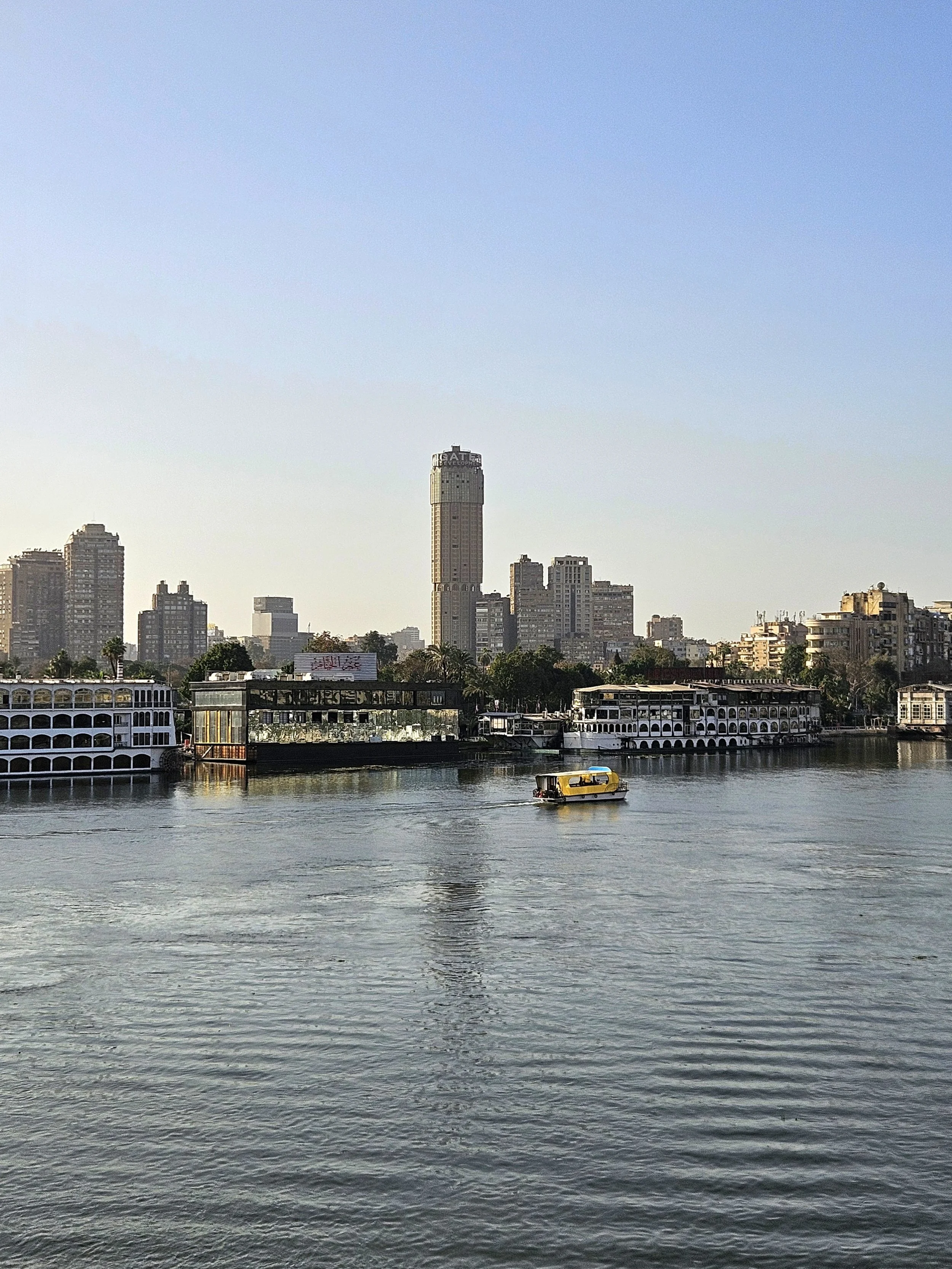
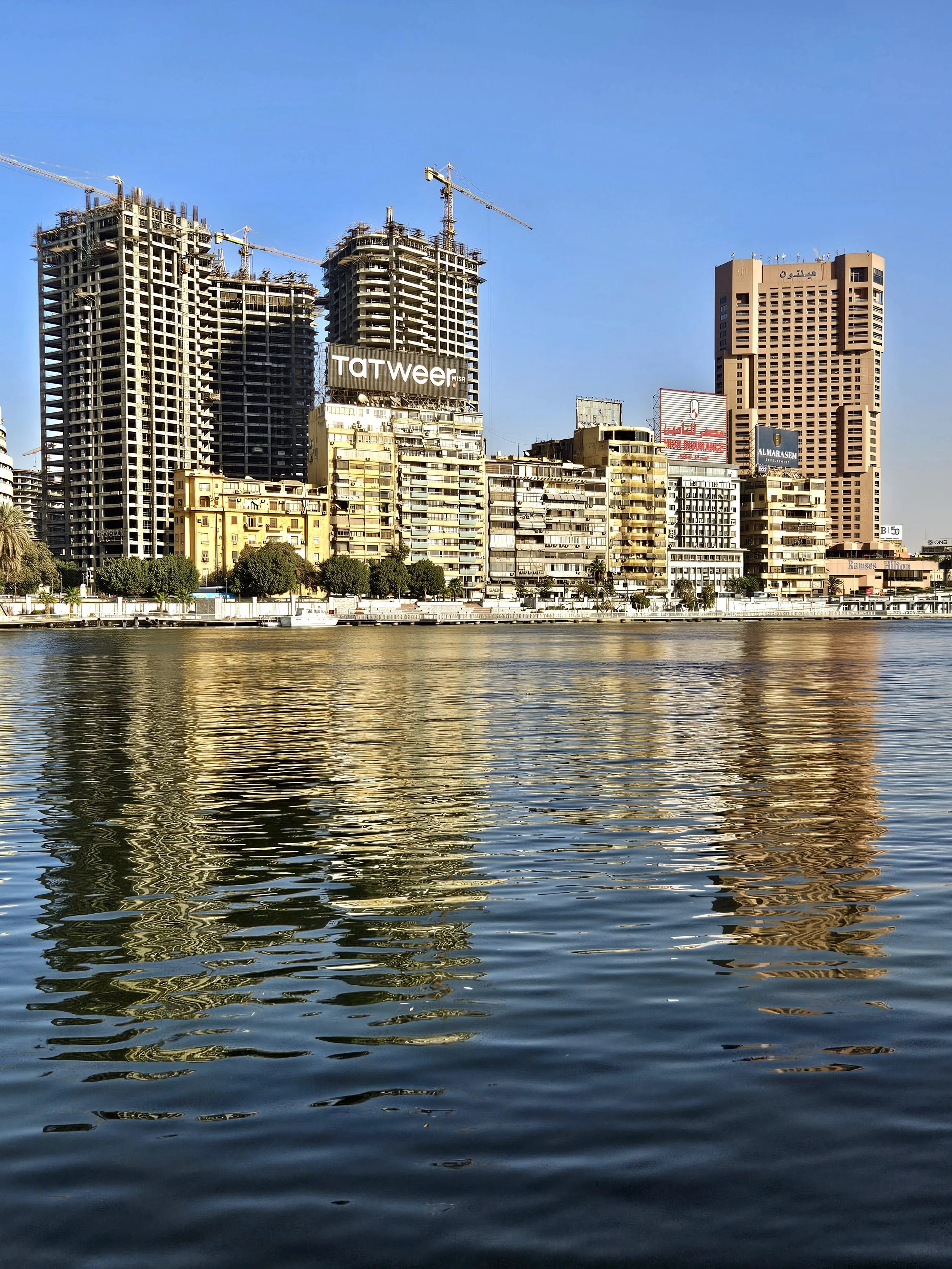
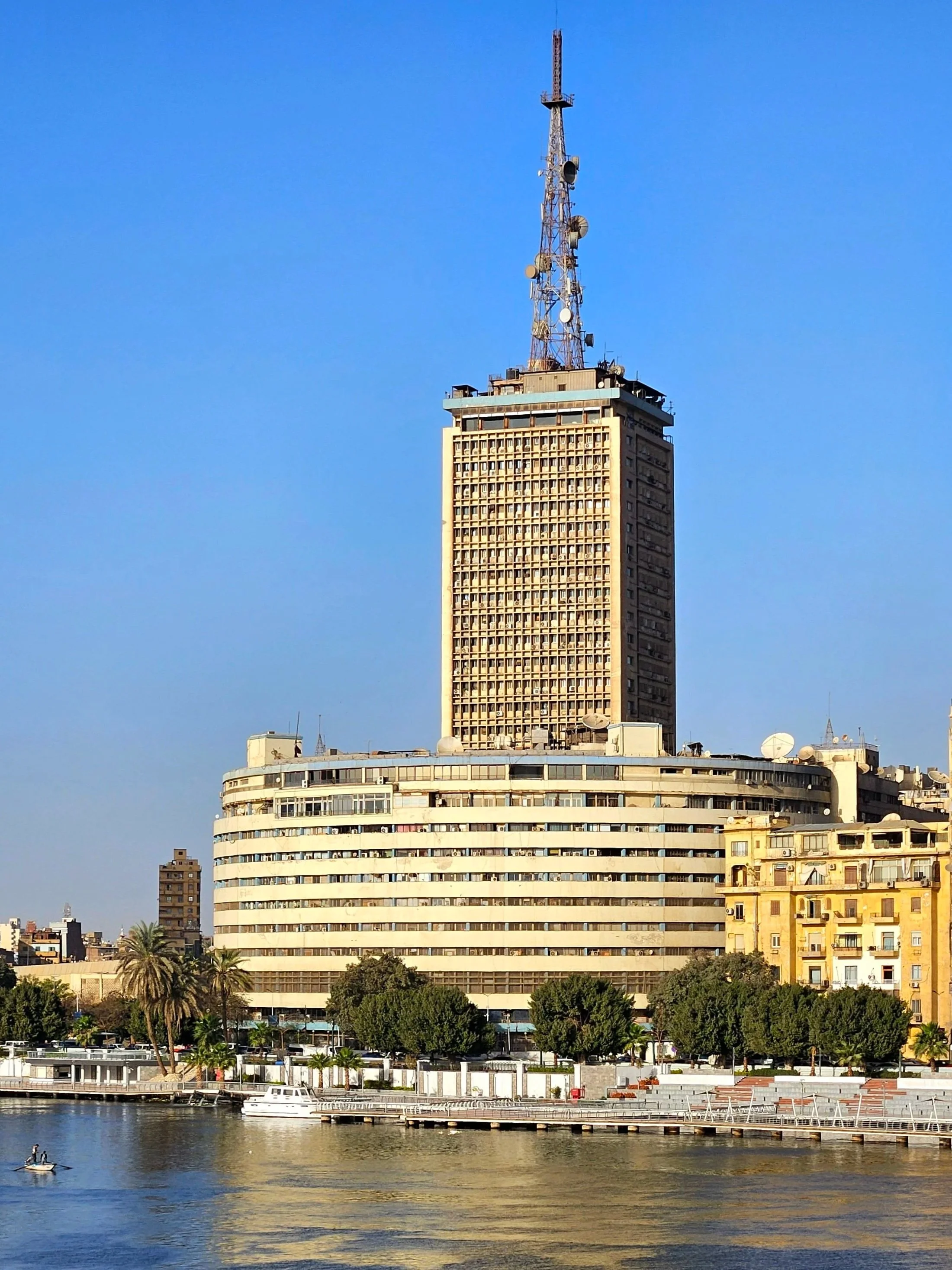
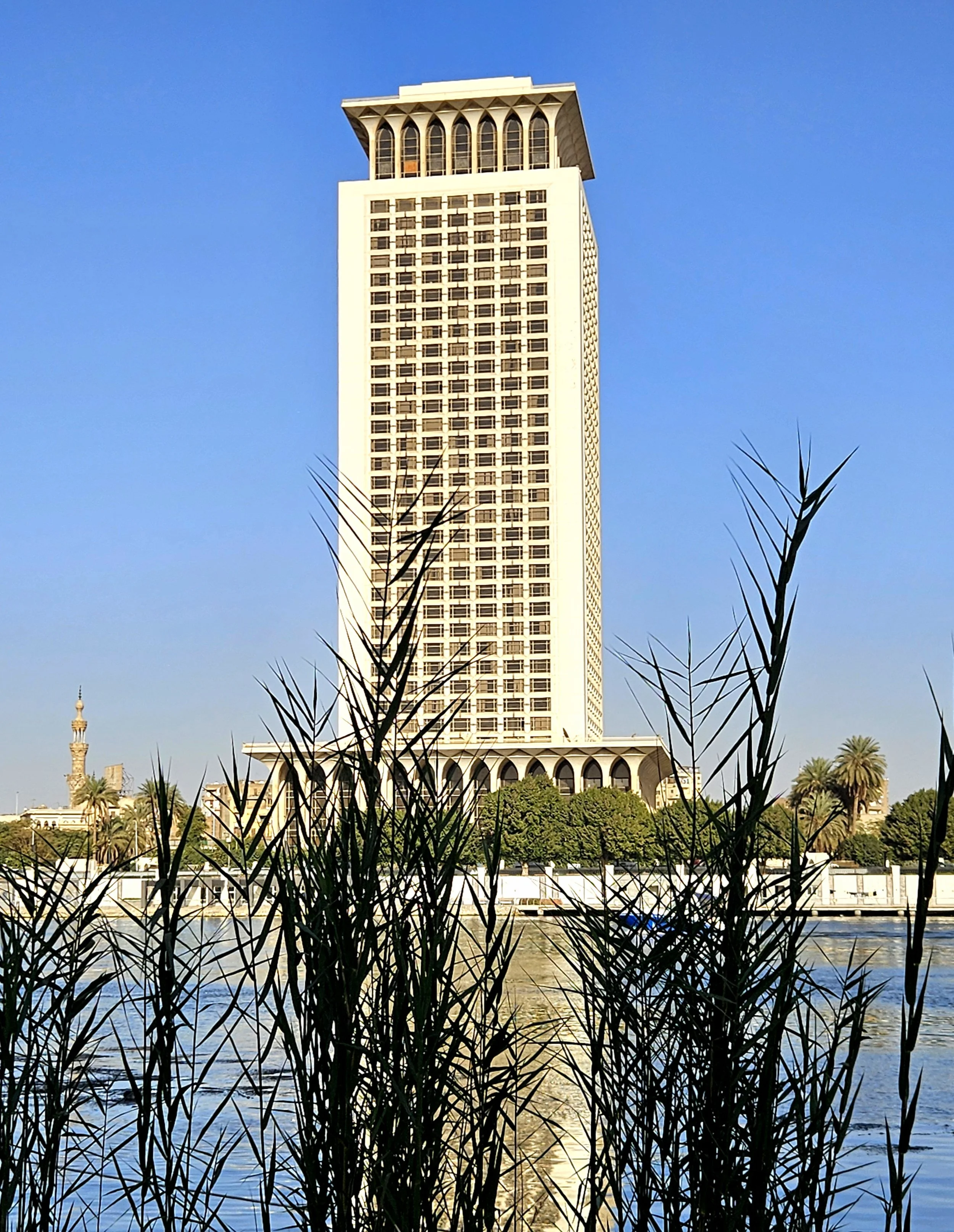
the nile corniche acts as cairo’s main spine, serving as the physical boundary where dense urban concrete meets the width of the river. running past a mix of mid-century high-rises, luxury hotels, and historic bridges, this waterfront gives cairo’s heavy concrete grid a wide, open corridor to stretch out.
paying an entry fee to walk along the newly redeveloped eastern bank feels a bit unusual for a waterfront, but it remains a vital public space. it gives you a true sense of cairo’s immense scale, framing the river as the city's main orienting landmark.
necropolis
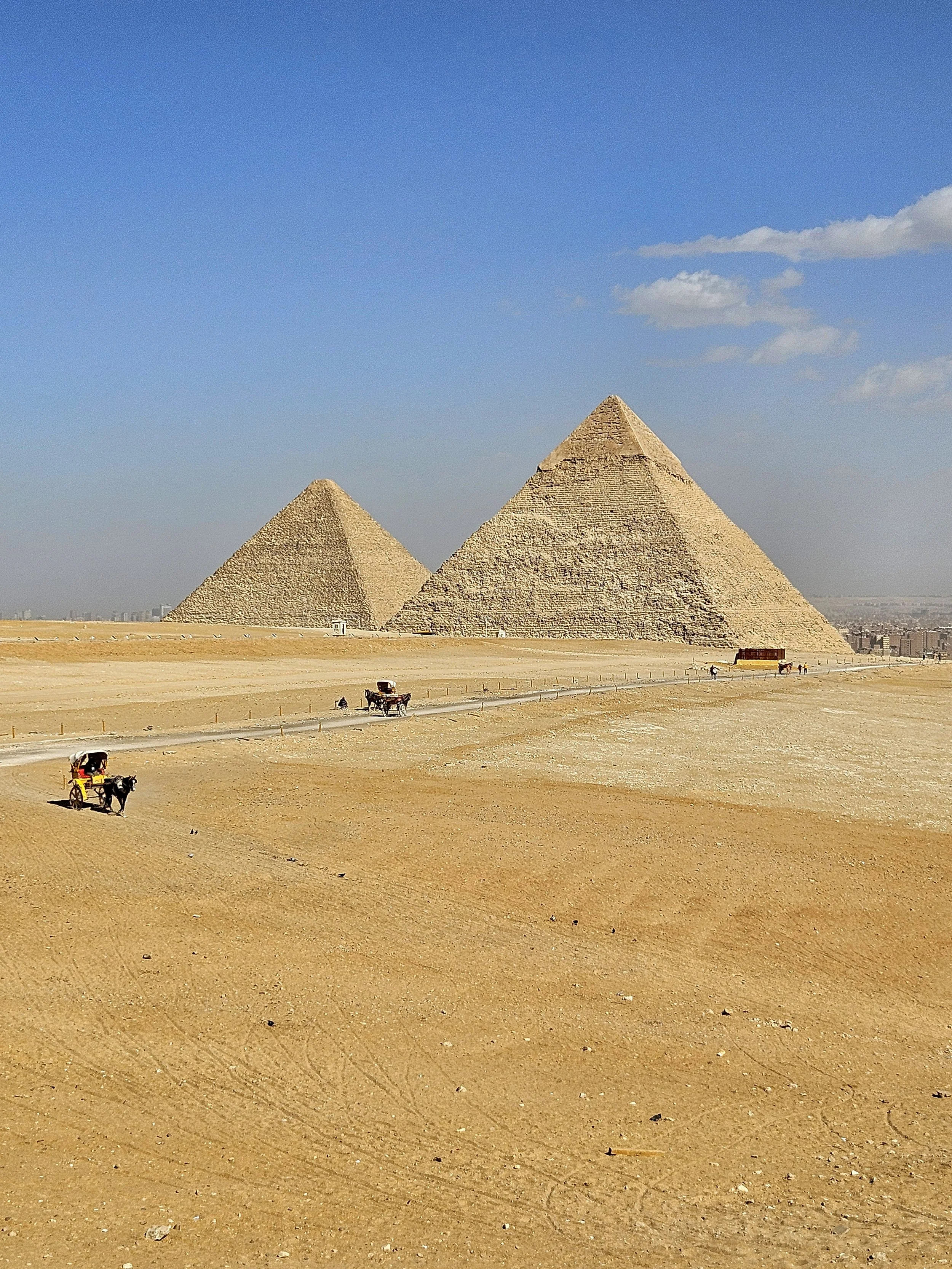
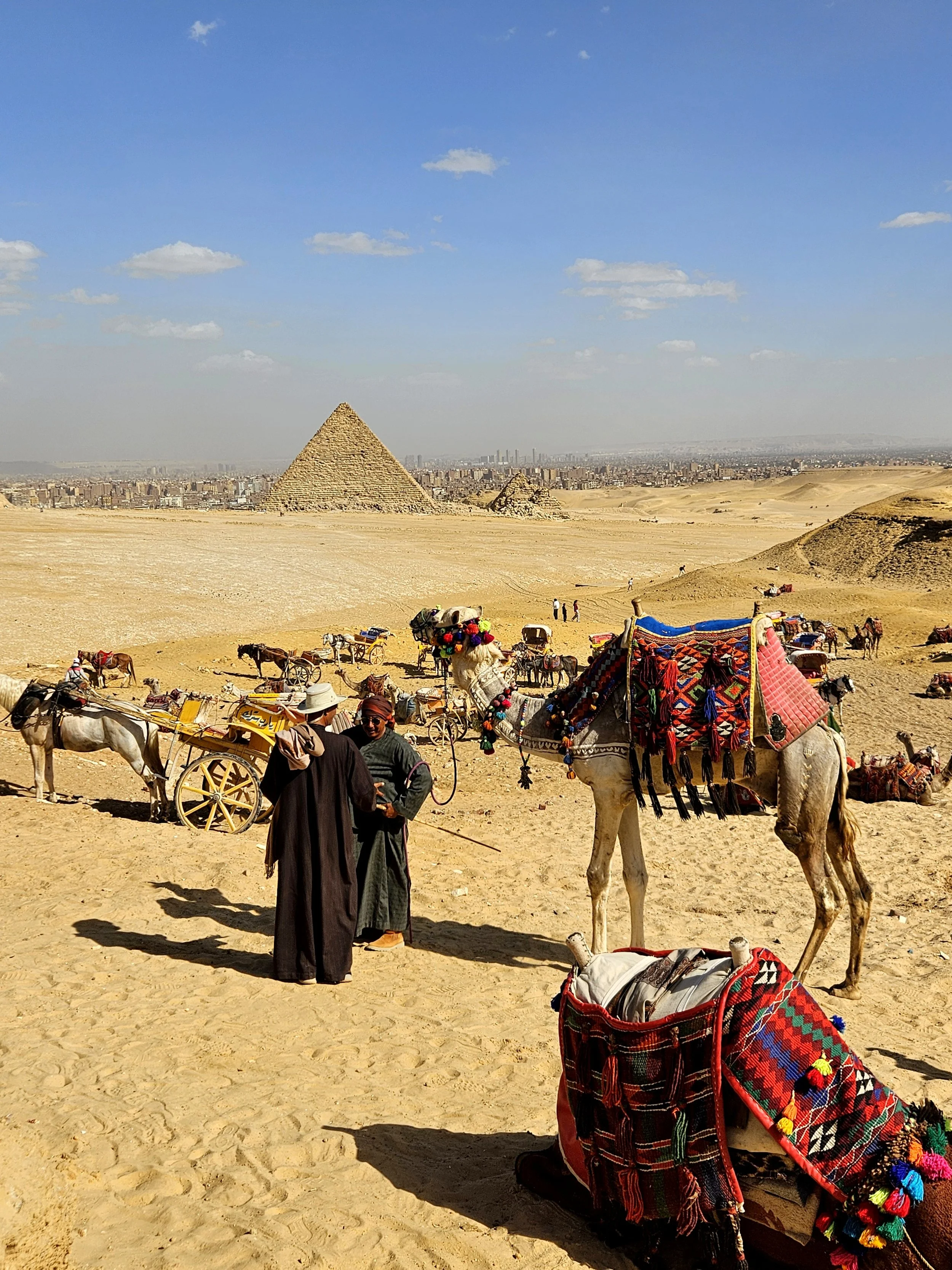
the origin of cities always fascinates me. "the city of the dead antedates the city of the living." says lewis mumford in the city in history. long before we built cities for ourselves, we first gathered in fixed places to honor the dead.
standing on the giza plateau, i was reminded of this immediately. the relationship between the ancient necropolis and the expanding city is stark here, a sharp threshold where giza’s dense urban grid abruptly gives way to the open desert.
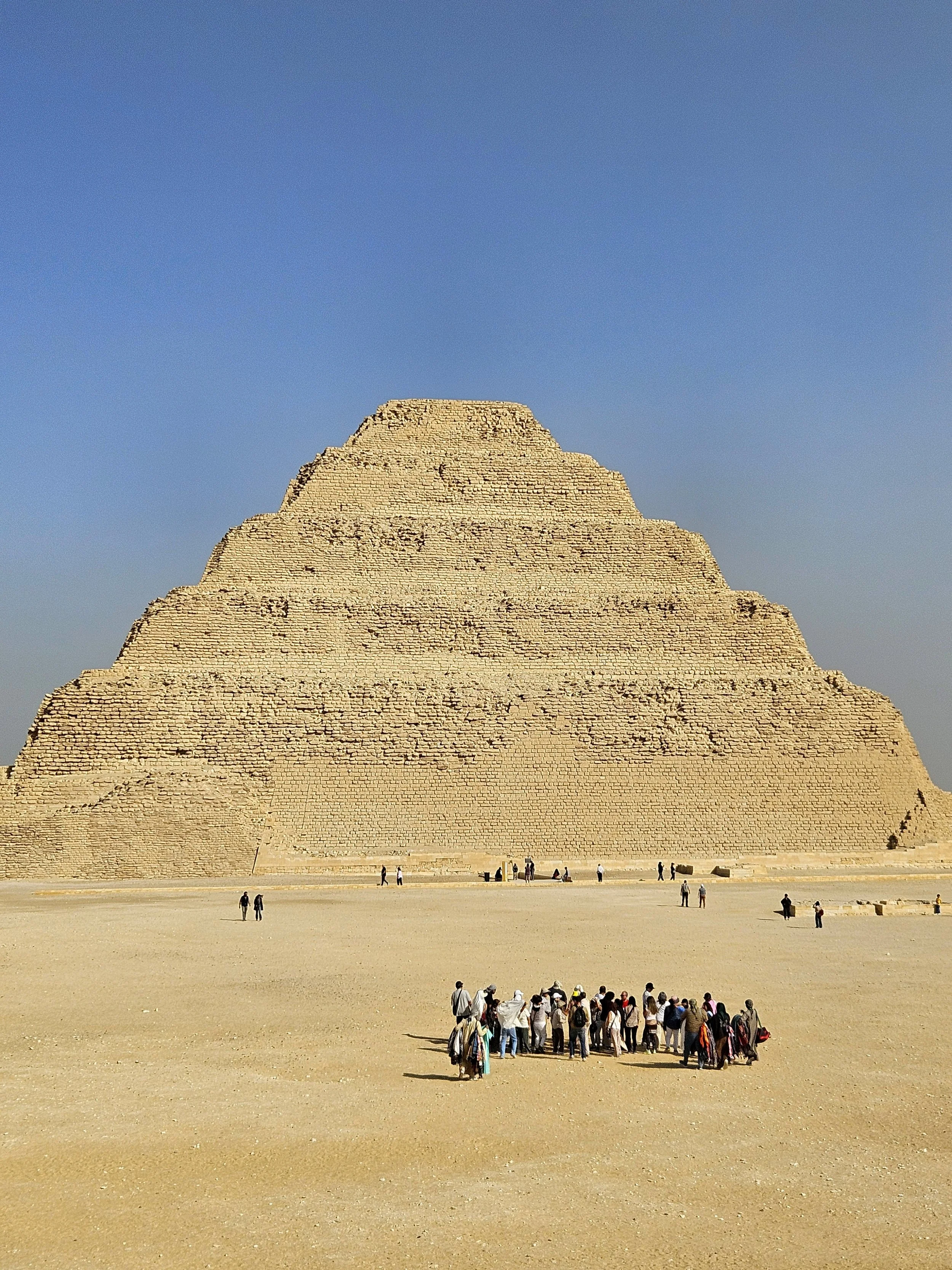
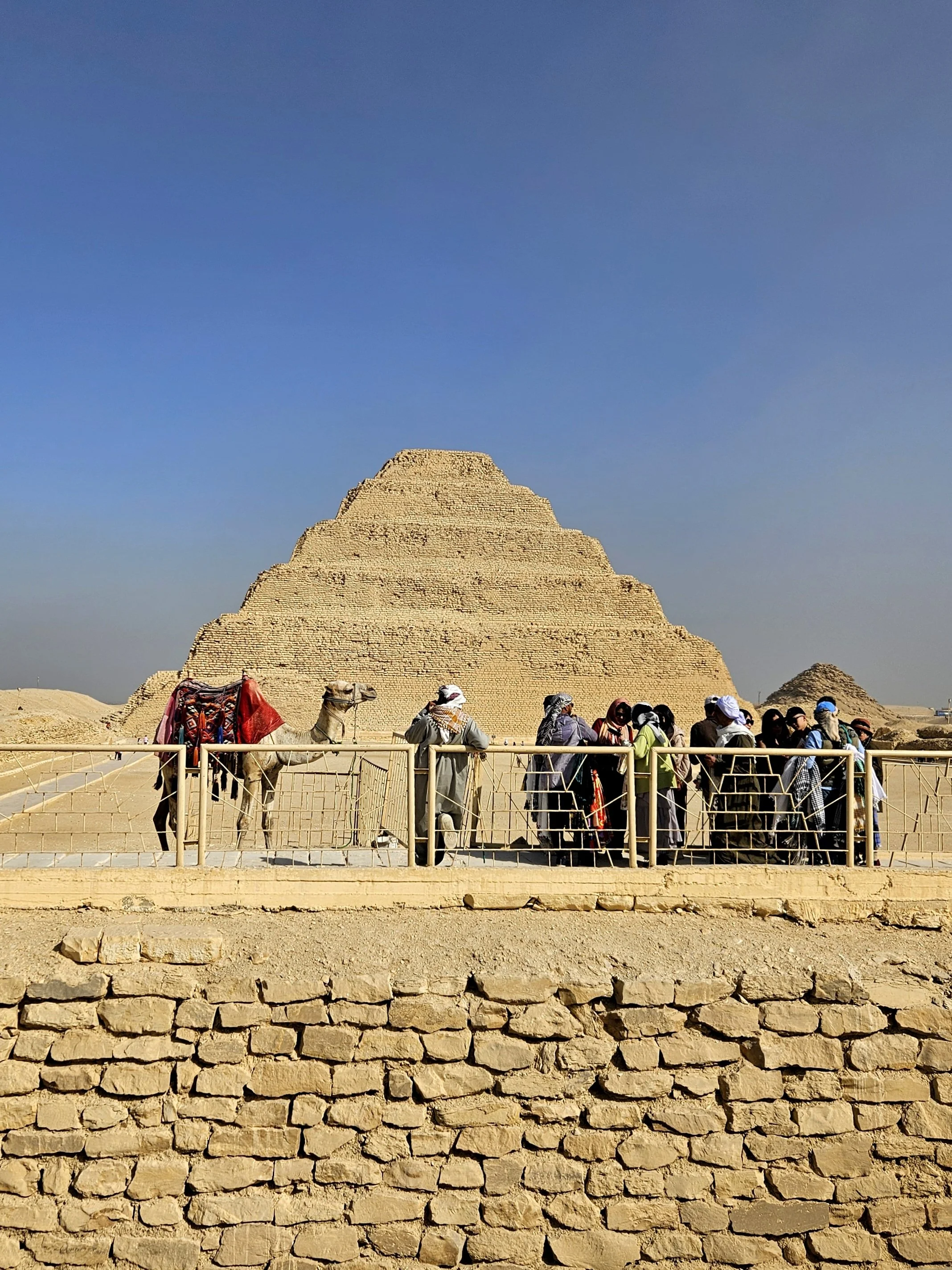
further south, the saqqara necropolis is even more fascinating. pre-dating giza, saqqara holds the earliest stone pyramids, but what makes it remarkable is the total ceremonial complex with the grand entrance colonnade, the sprawling ritual courtyards, and the remarkably preserved carved interiors.
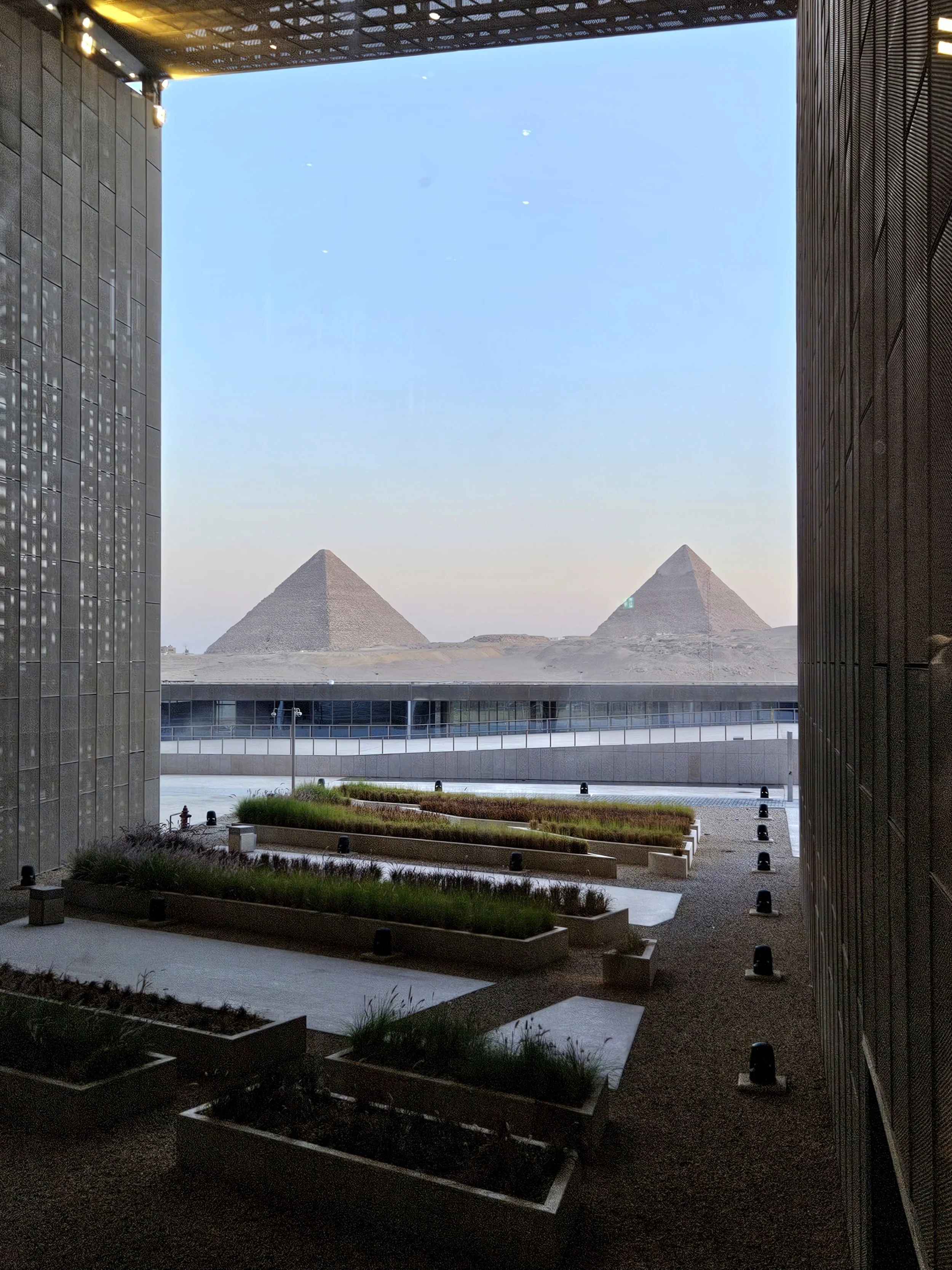
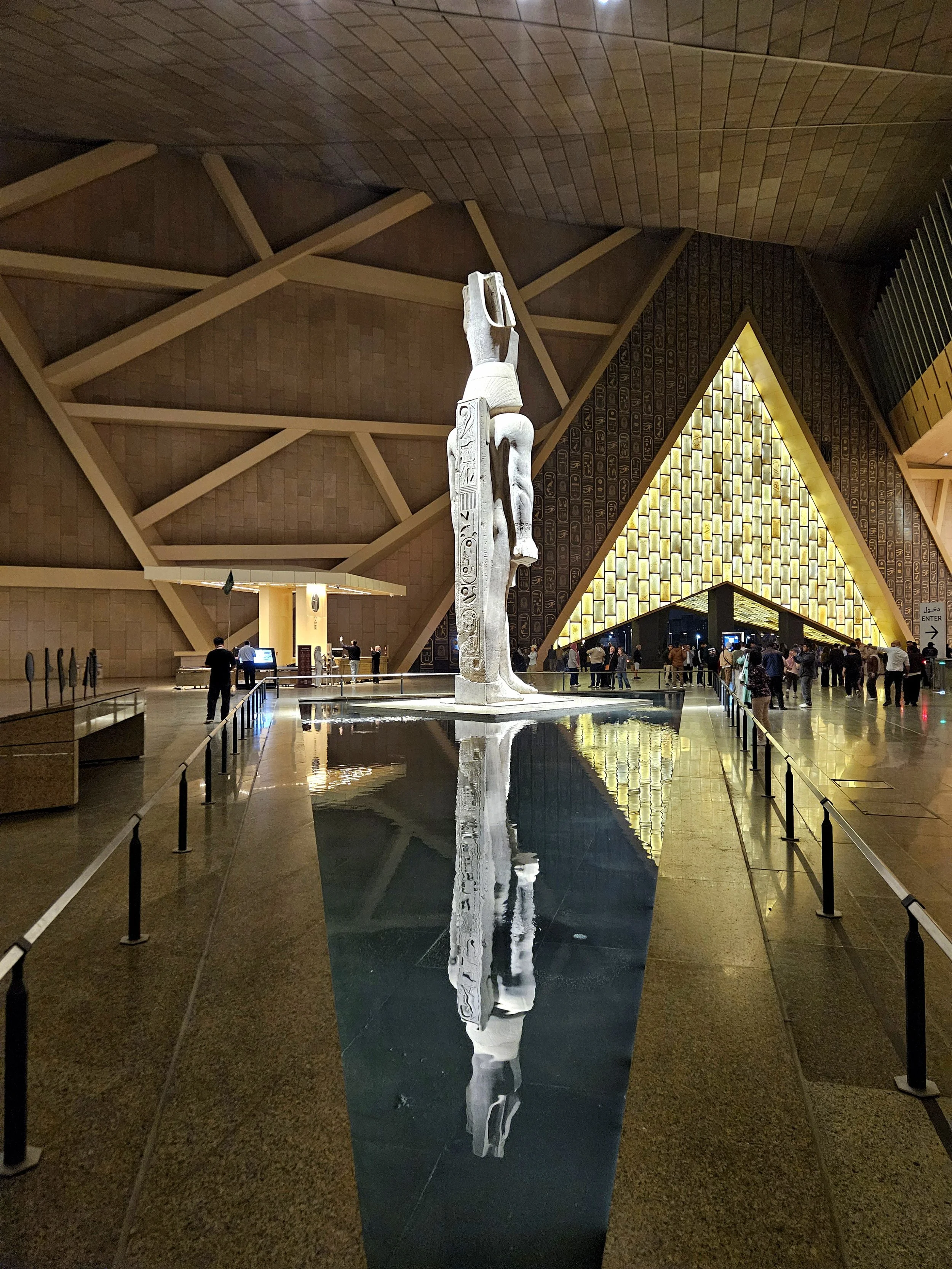
finally, the grand egyptian museum adds a massive contemporary layer to this monumental landscape. framed by clear views of the pyramids, its clean geometric lines and stone facade bridge a thousands years old sacred site with cairo's modern urban story.
venues
along downtown cairo’s bustling talaat harb street, a vibrant mix of cozy restaurants and cafés offers a rich variety of local and international flavors.
my absolute favorite spot is café riche, located right beside talaat harb square. this is an iconic, old school venue where you can enjoy drinks and authentic local dishes in a warm, welcoming atmosphere.
another spot is 6901, a contemporary creative space for food and design enthusiasts. here, you can watch local dishes being prepared in an open kitchen before taking a small tour in a curated store featuring unique designer clothing and lifestyle accessories.
finally, no trip to cairo is complete without visiting koshary abou tarek, the legendary destination for egypt’s most famous national dish.