walking through milan feels truly special, with historic monuments and architecture around every corner.
even with the constant flow of tourists, milan’s historic centre remains fascinating to explore.
here are some highlights from my long, scenic walk across the city, admiring some of milan’s most iconic landmarks and discovering residential quarters as well.
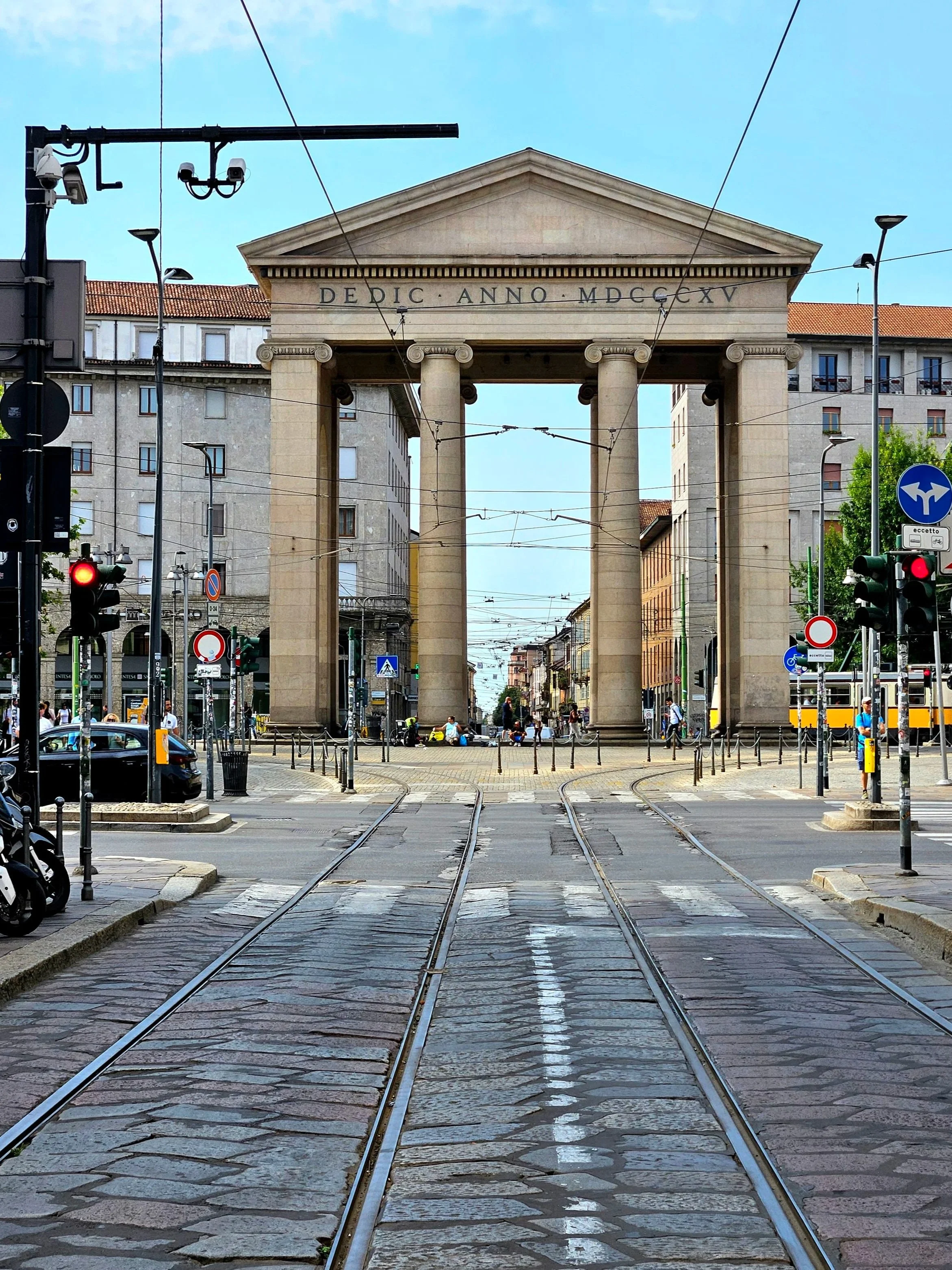
ticinese
arco di porta ticinese was my starting point for exploring milan’s historic centre.
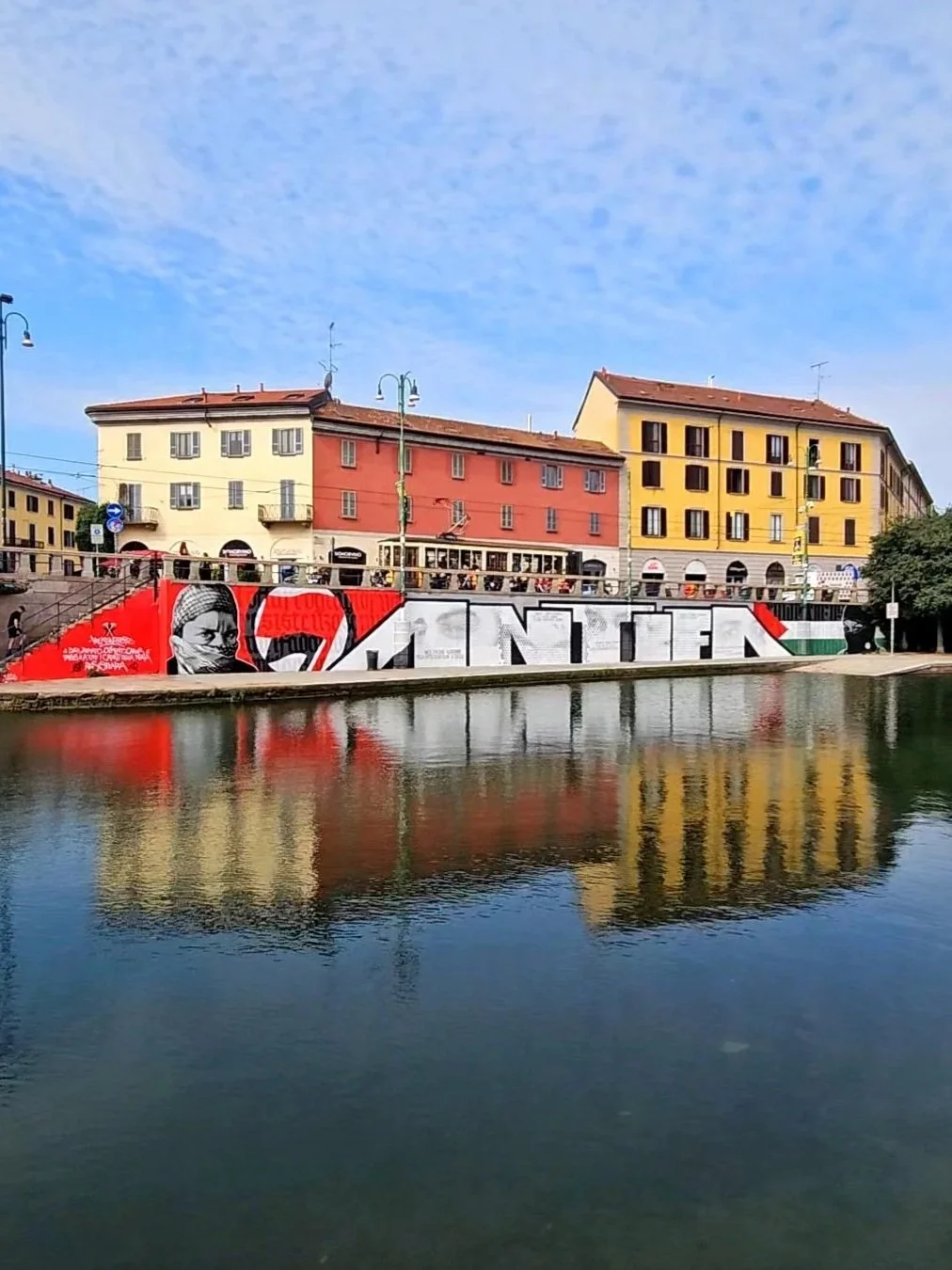
the area is known for the navigli canals and the darsena, the city's former harbour, and now a lively waterfront area with restaurants and a covered market.
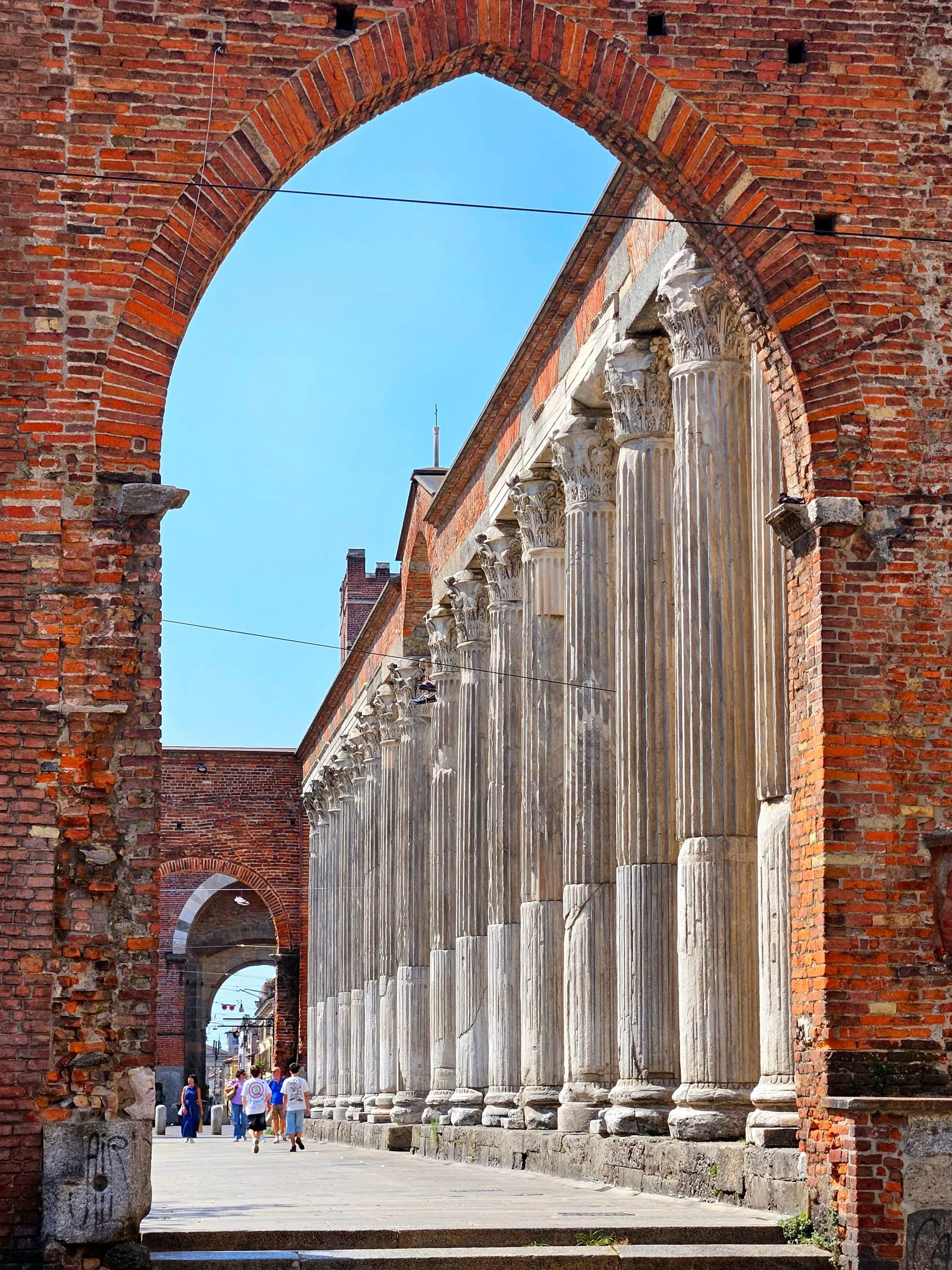
from there, i walked towards the porta ticinese and colonne di san lorenzo, a collection of ancient roman columns standing in front of basilica di san lorenzo.
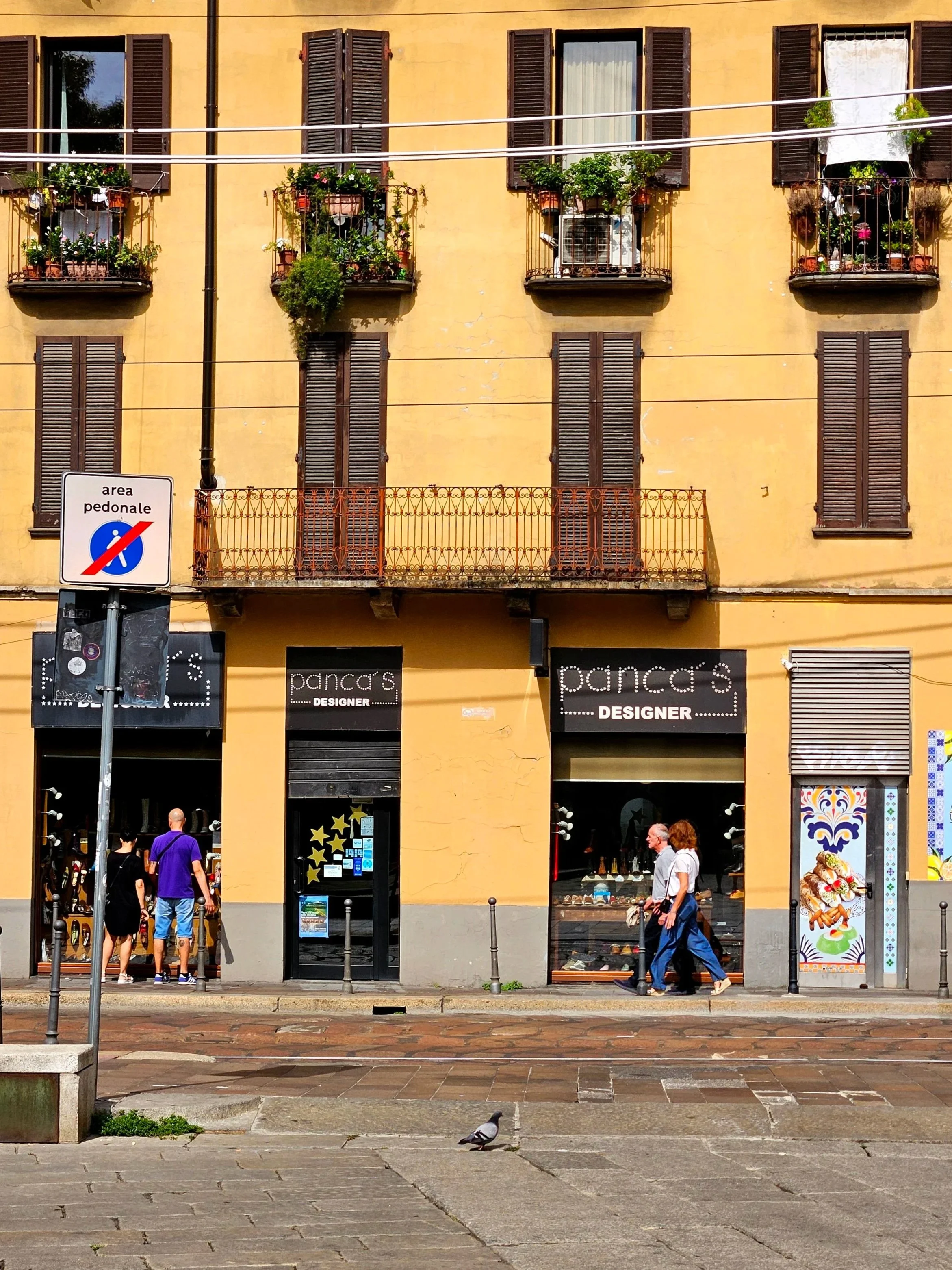
it's a particularly pleasant street with historic buildings, colourful facades, balconies decorated with flowers, and plenty of small cafés, restaurants, and shops.
piazza del duomo
from ticinese, i made my way towards piazza del duomo, joining the tourist crowds in the busiest part of milan's historic centre.
the square is surrounded by the city's most iconic buildings, with duomo di milano dominating the scene.
its gothic facade, marble details, sculptures, and towering spires make it one of the city’s most distinctive landmarks.
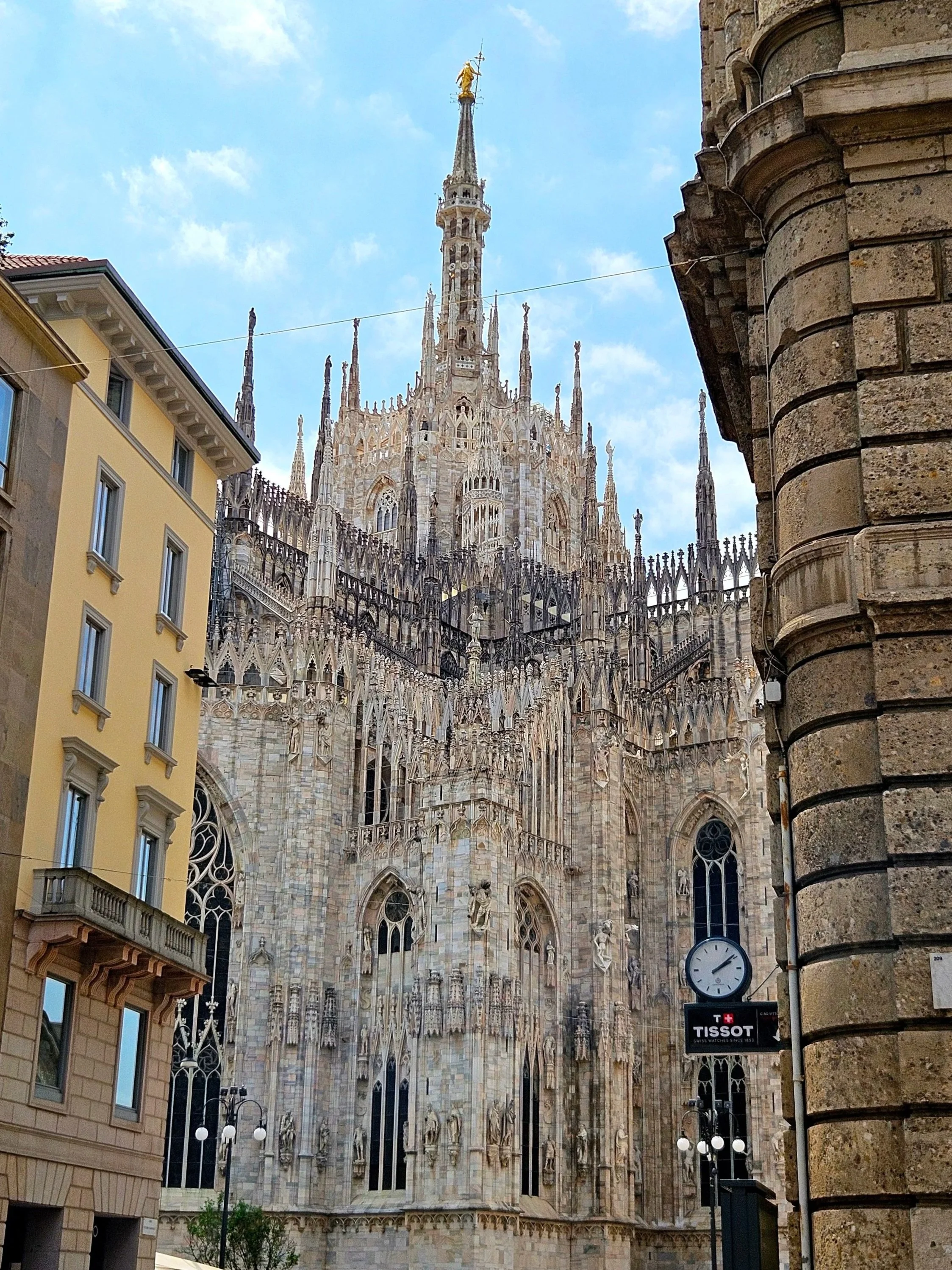
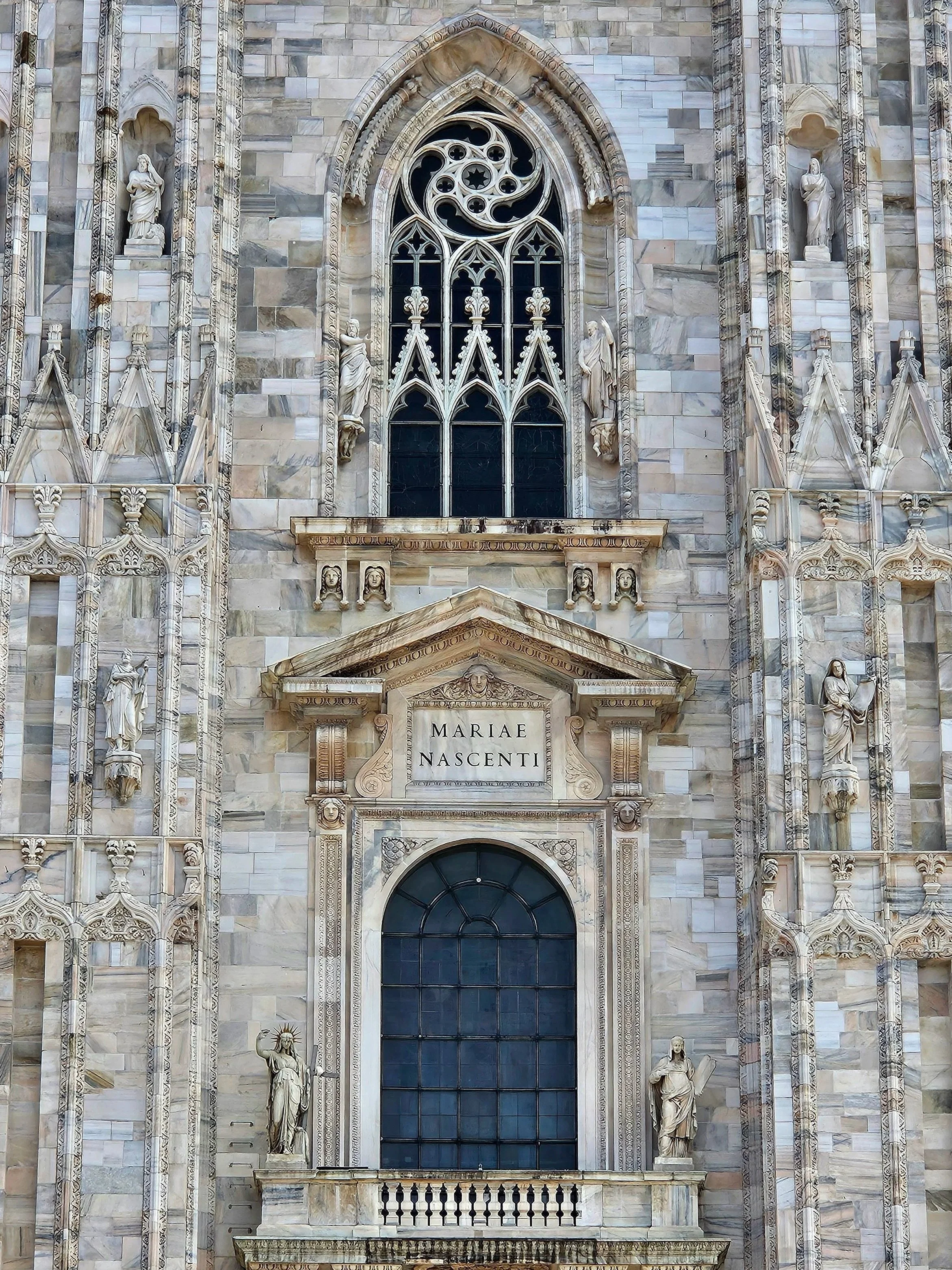
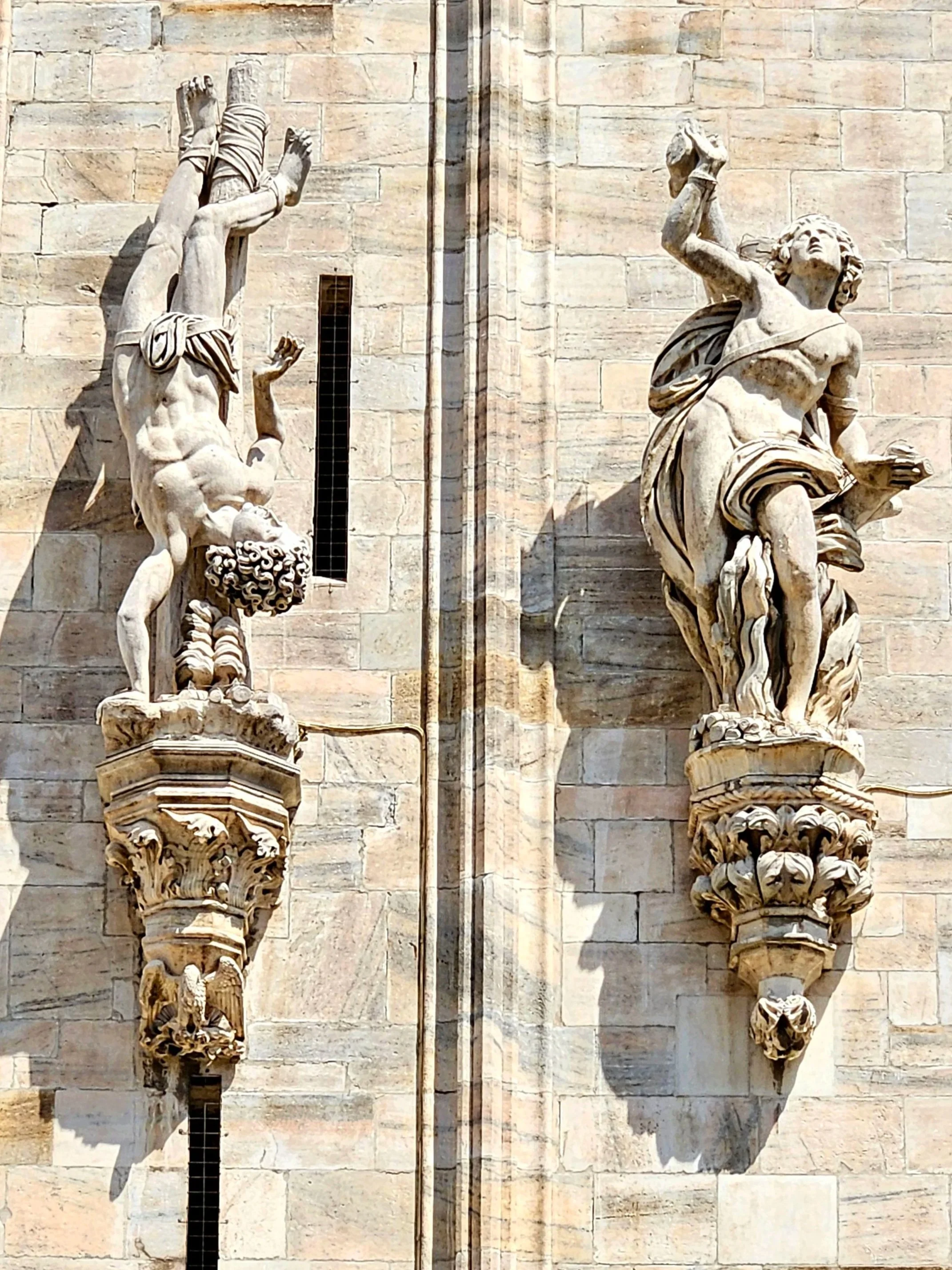
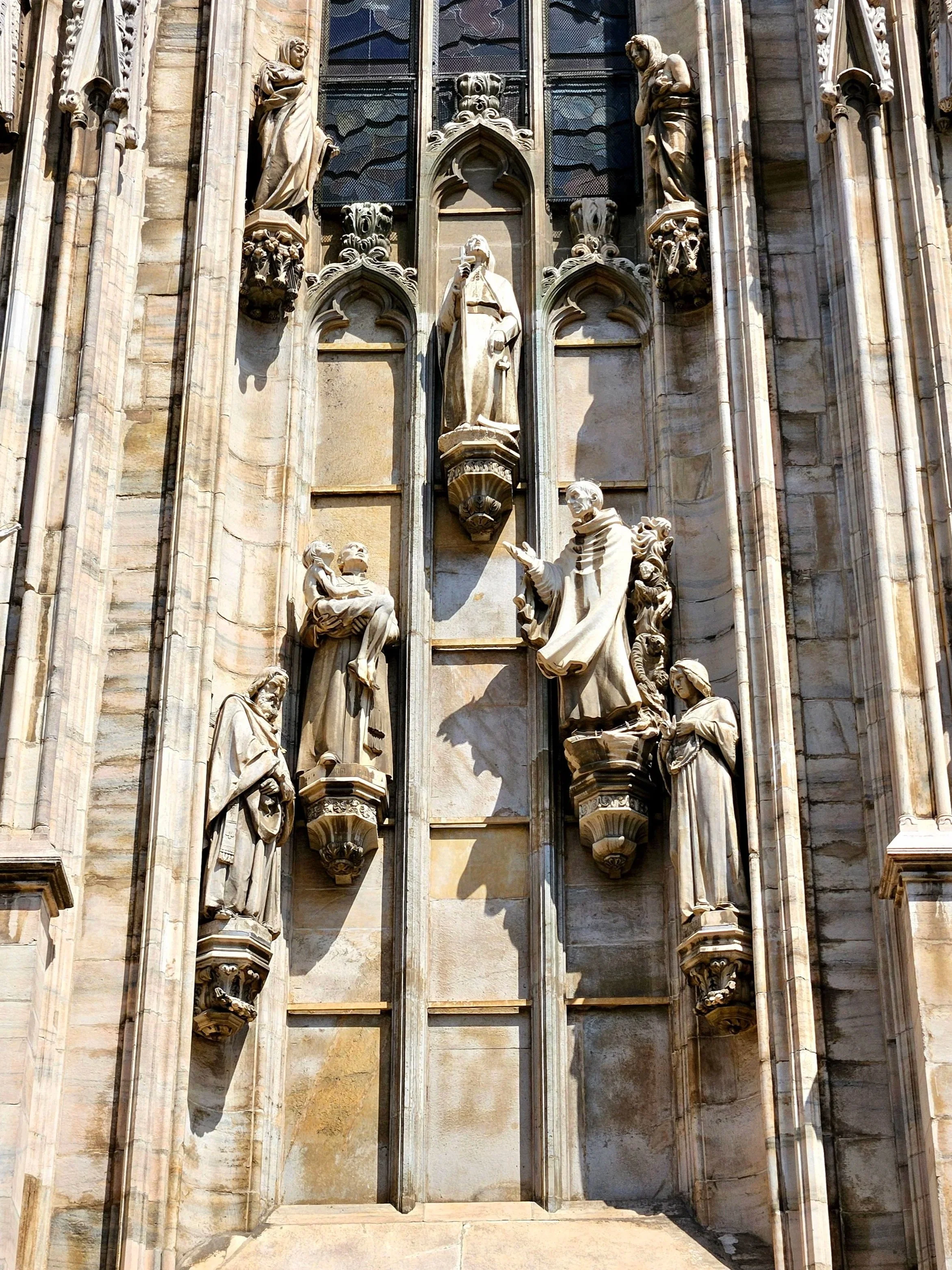
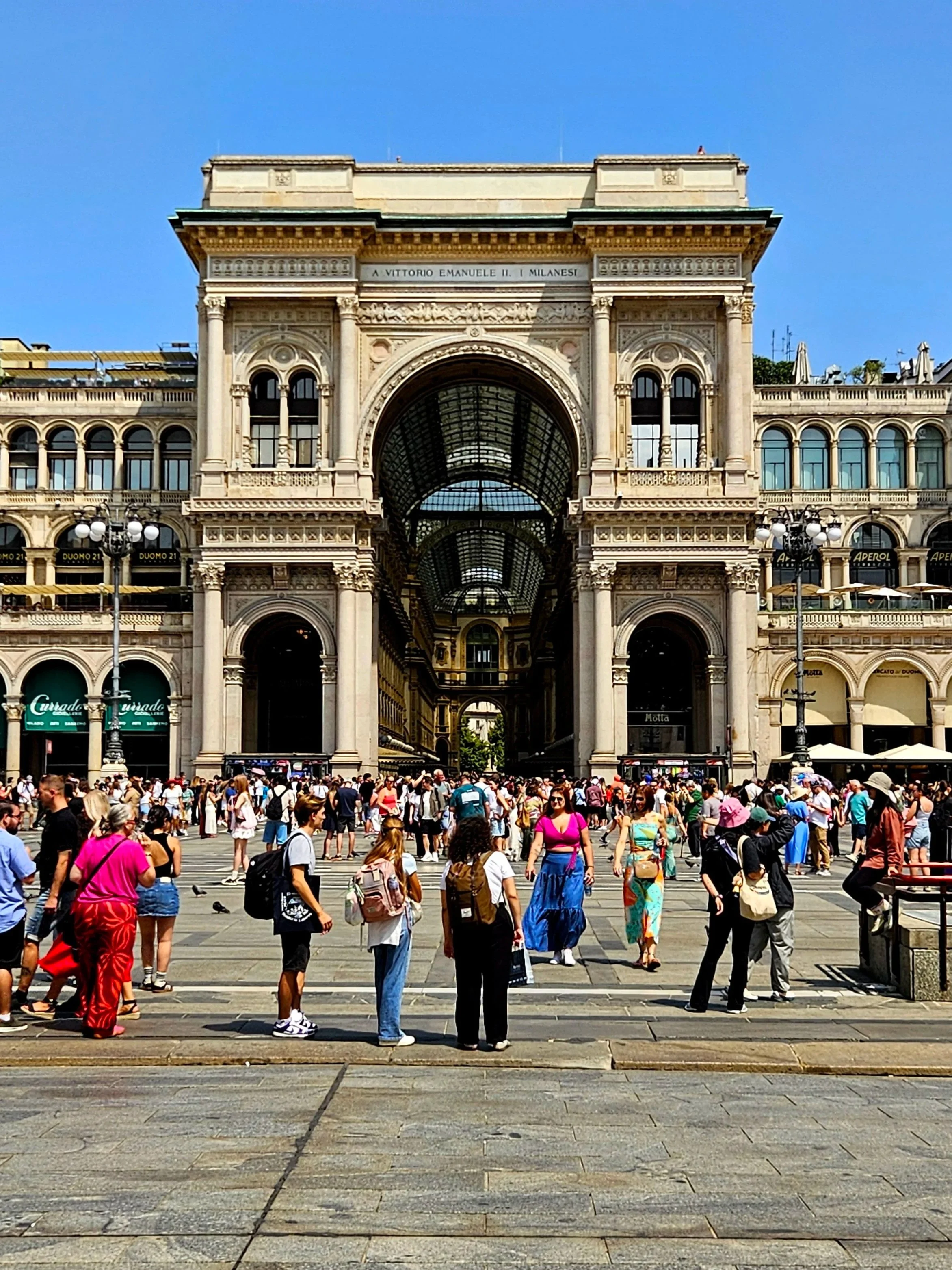
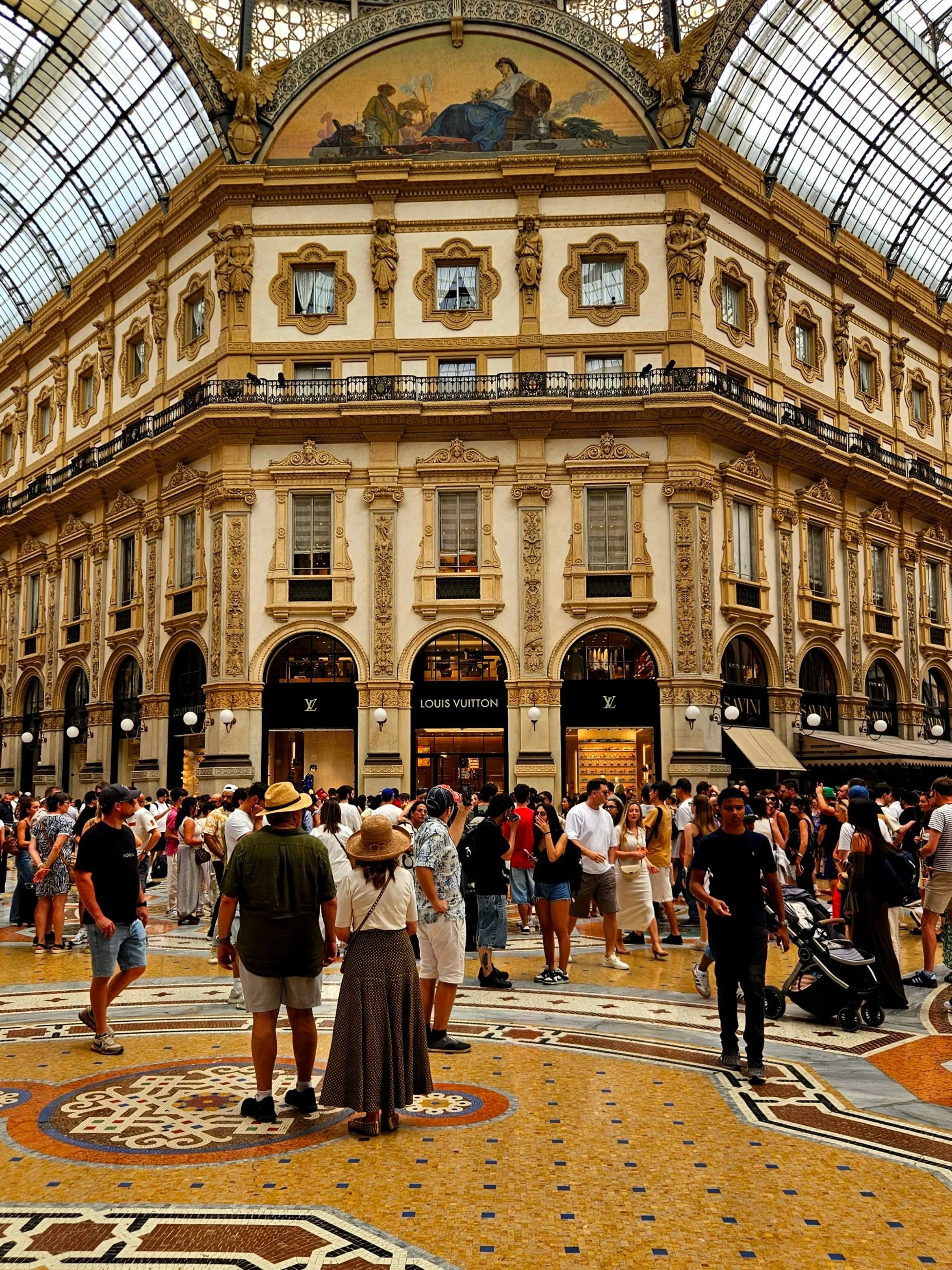
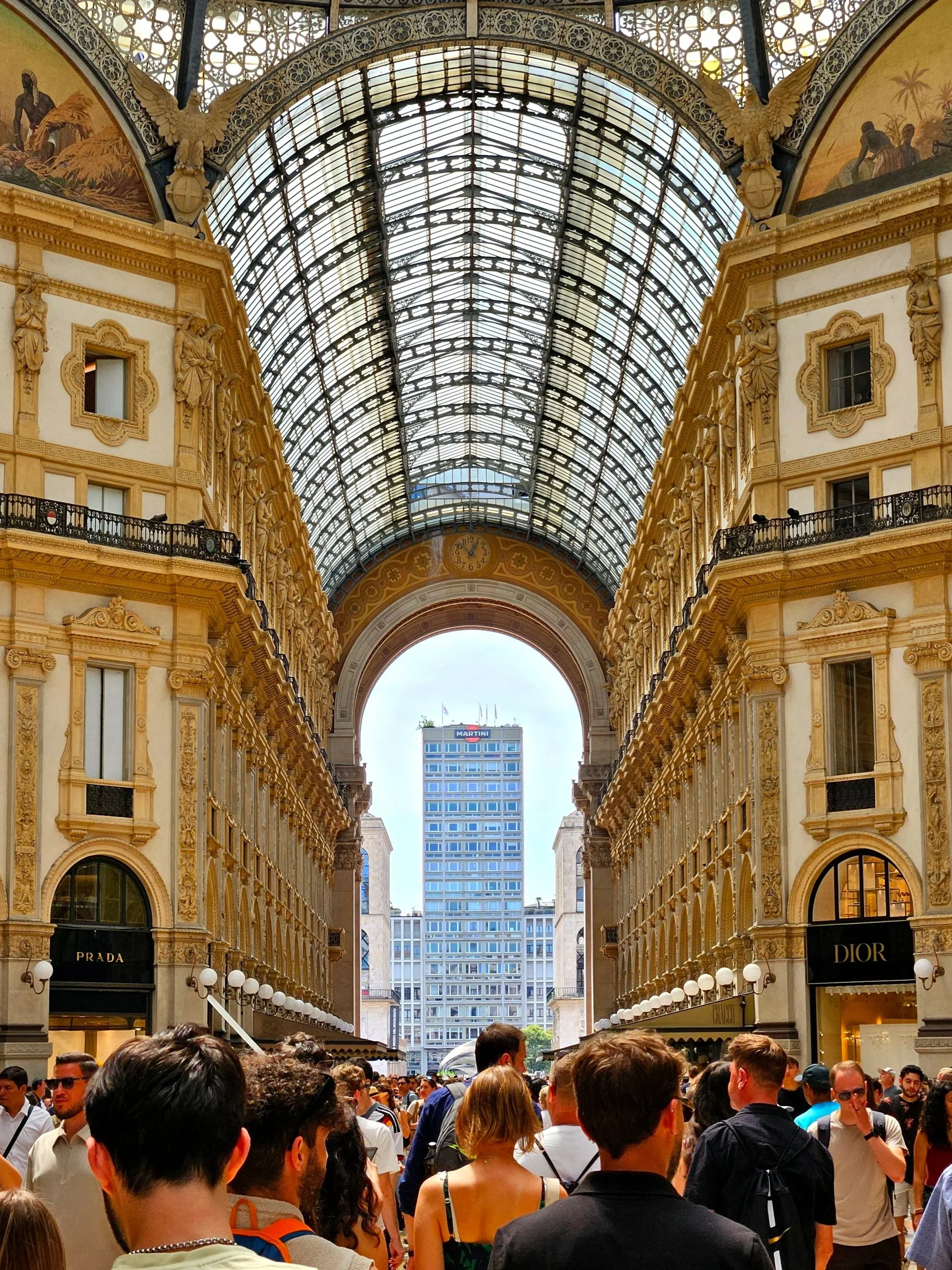
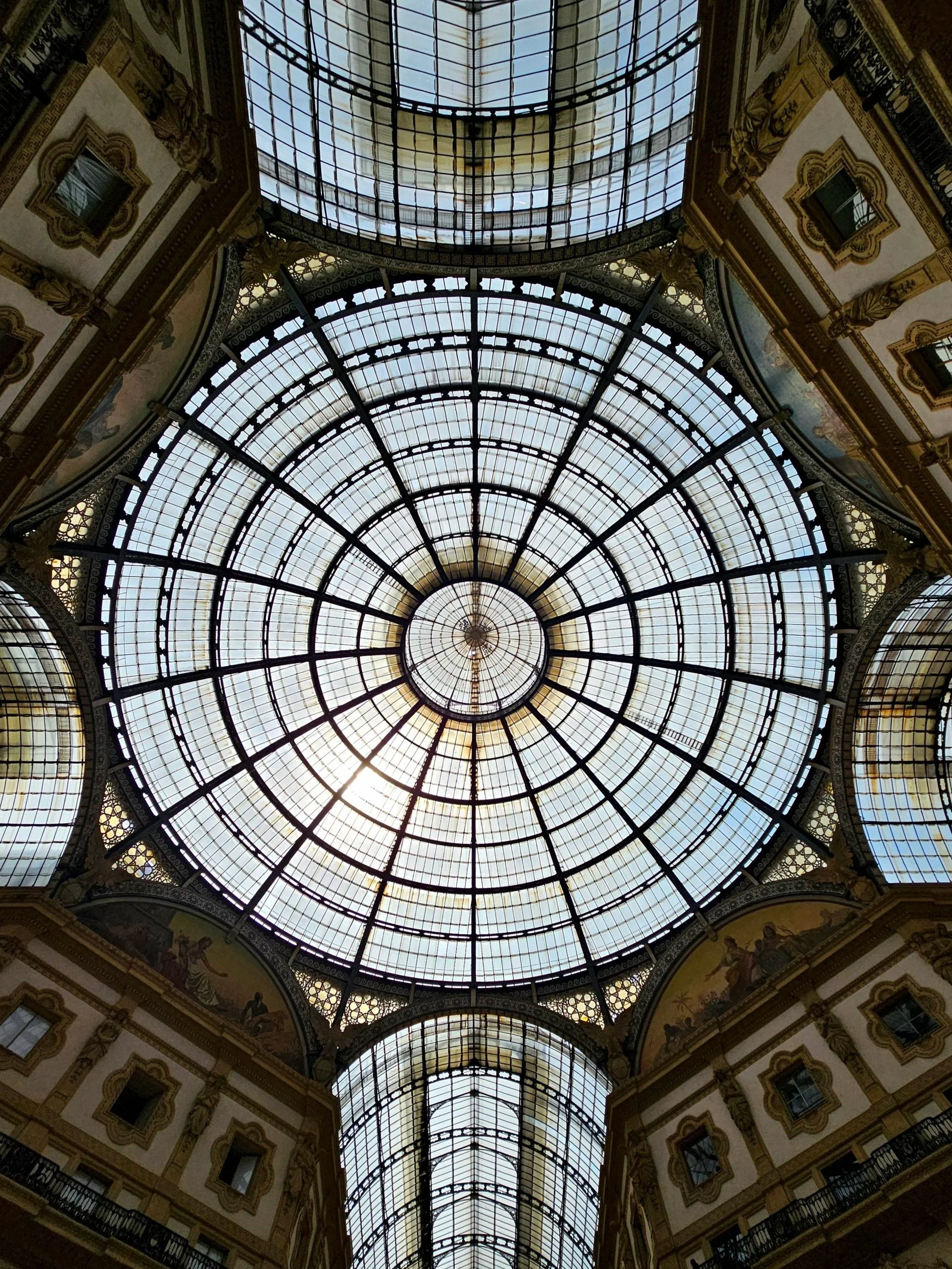
just a few steps away, galleria vittorio emanuele II is an elegant 19th-century arcade with glass-and-iron ceilings, mosaic floors, and fancy storefronts.
despite the crowds, walking through the gallery is well worth it, offering a chance to admire the beautiful ceiling paintings and bustling shops.
zona magenta
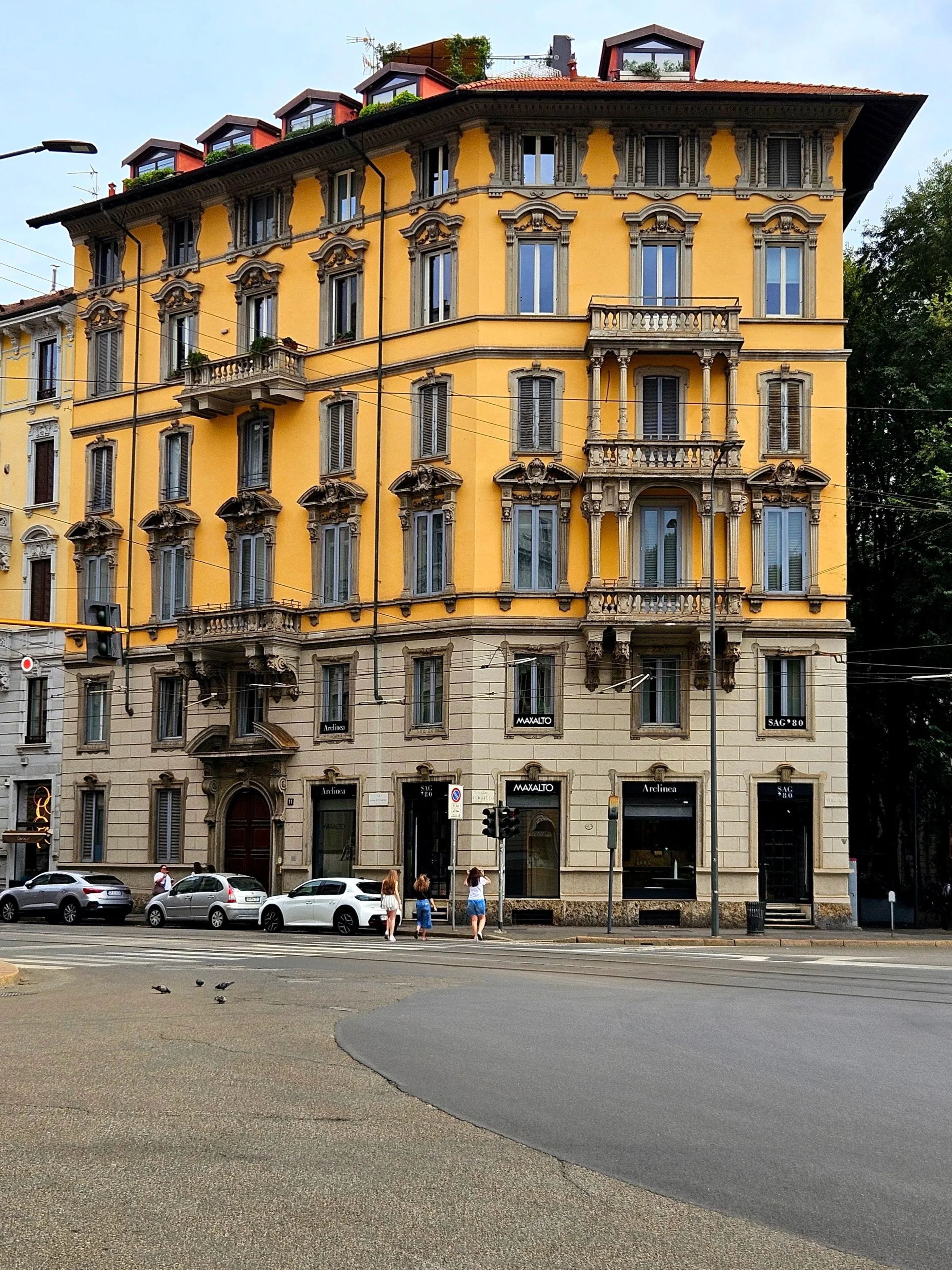
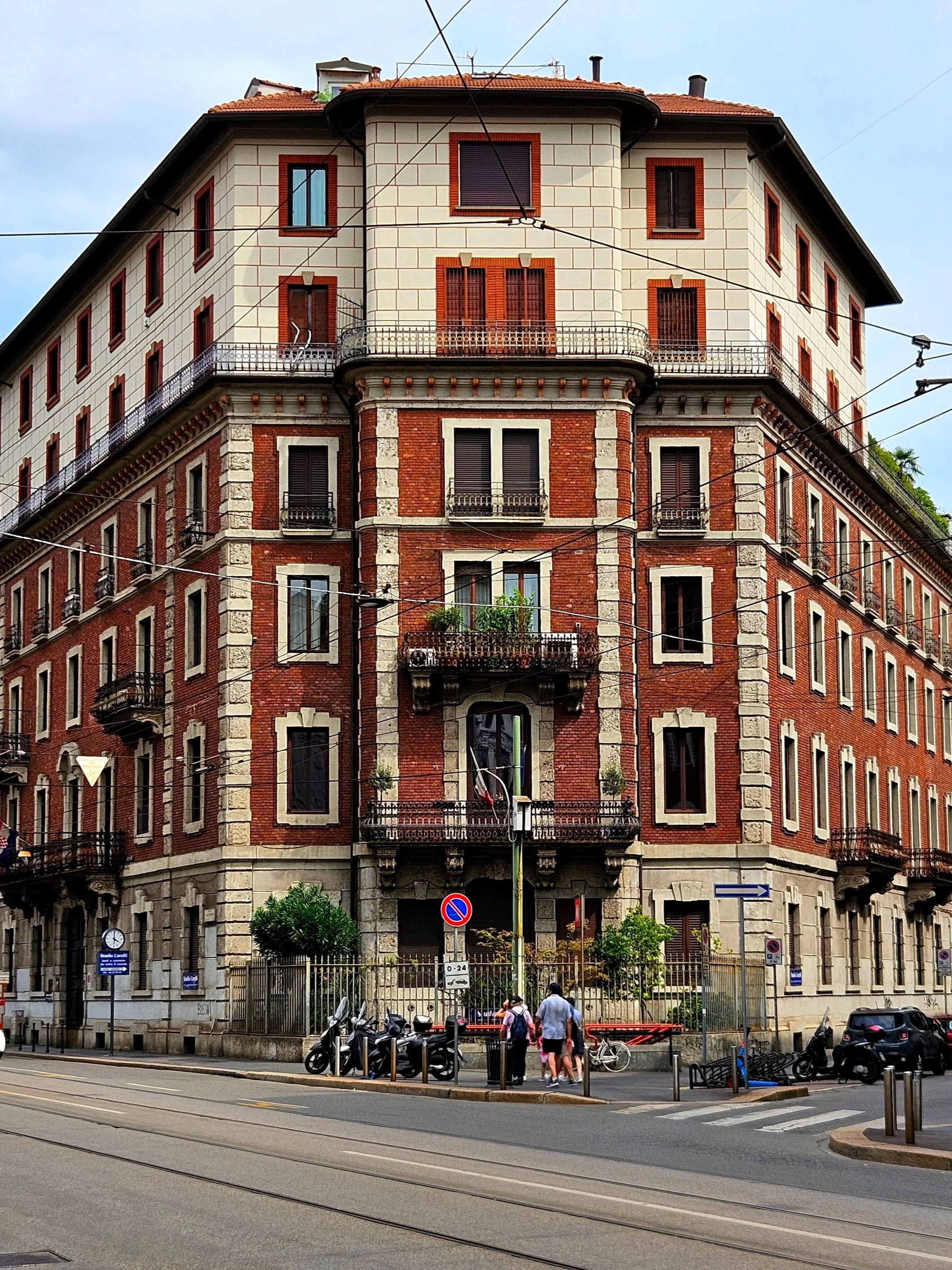
to the west of the historic centre, zona magenta is home to two impressive landmarks: basilica di sant'ambrogio and basilica di santa maria delle grazie.
both churches offer an interesting contrast to the white marble and gothic architecture of the duomo.
here, warm terracotta brick and romanesque details create a more intimate atmosphere.
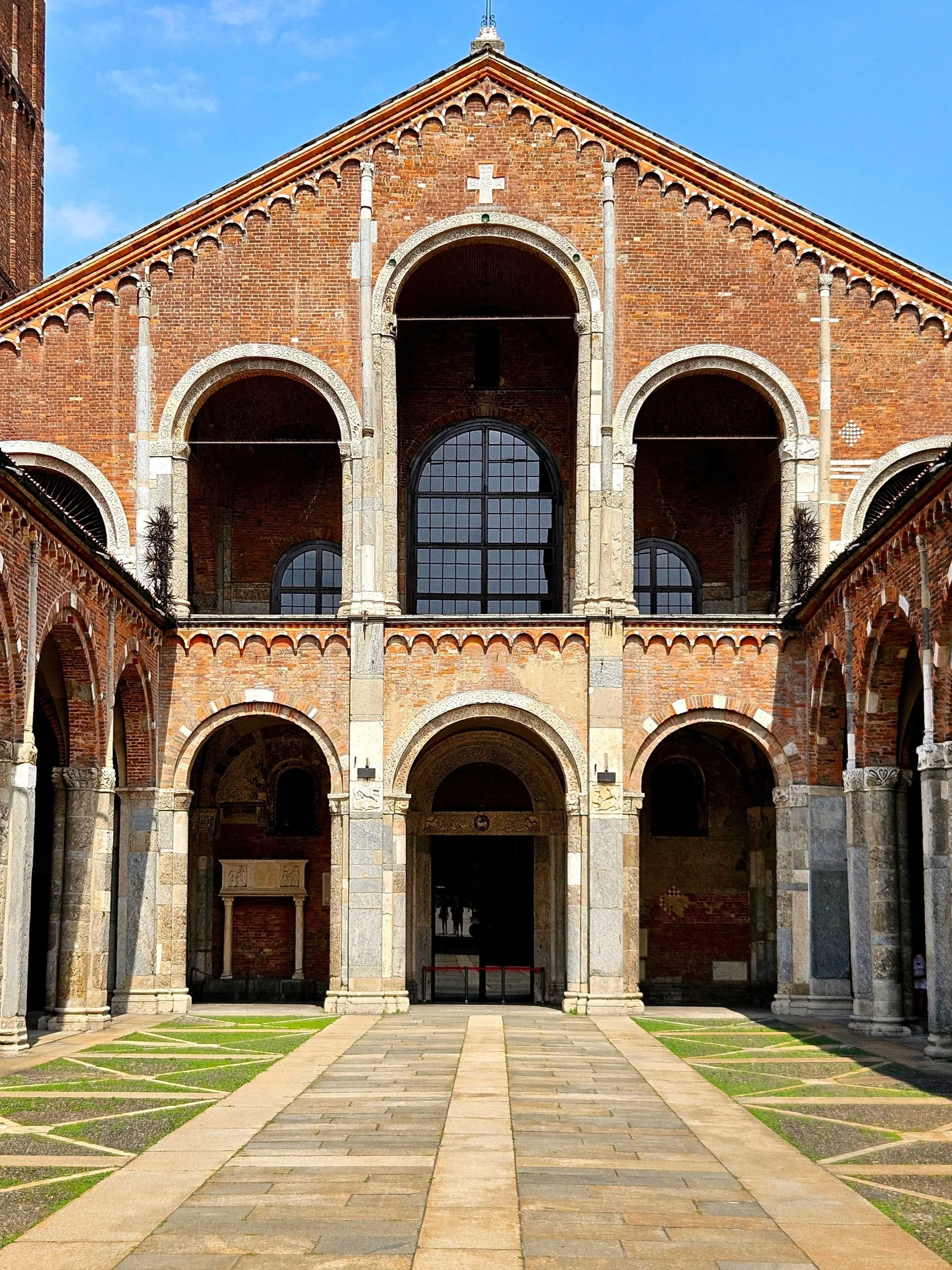
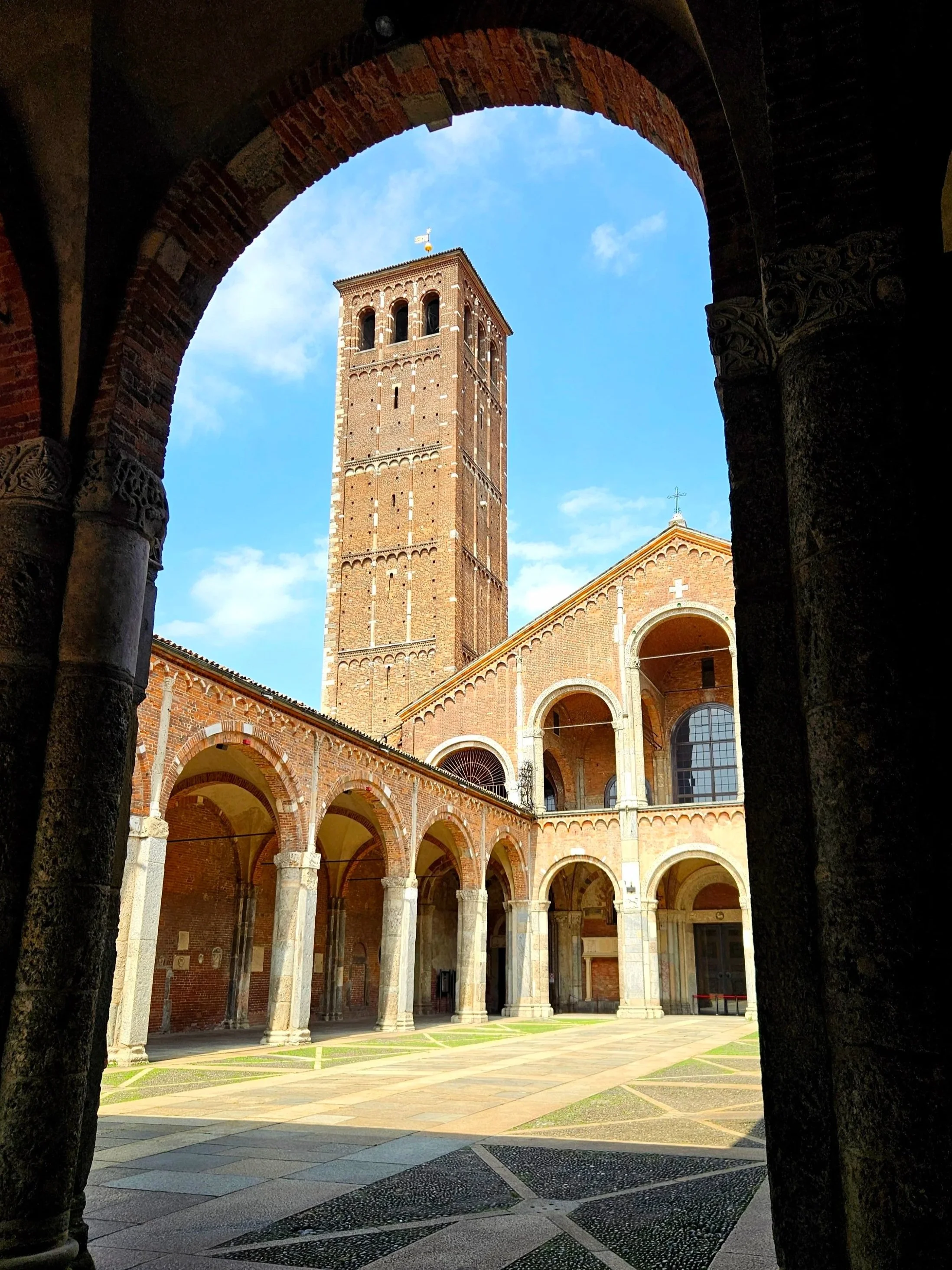
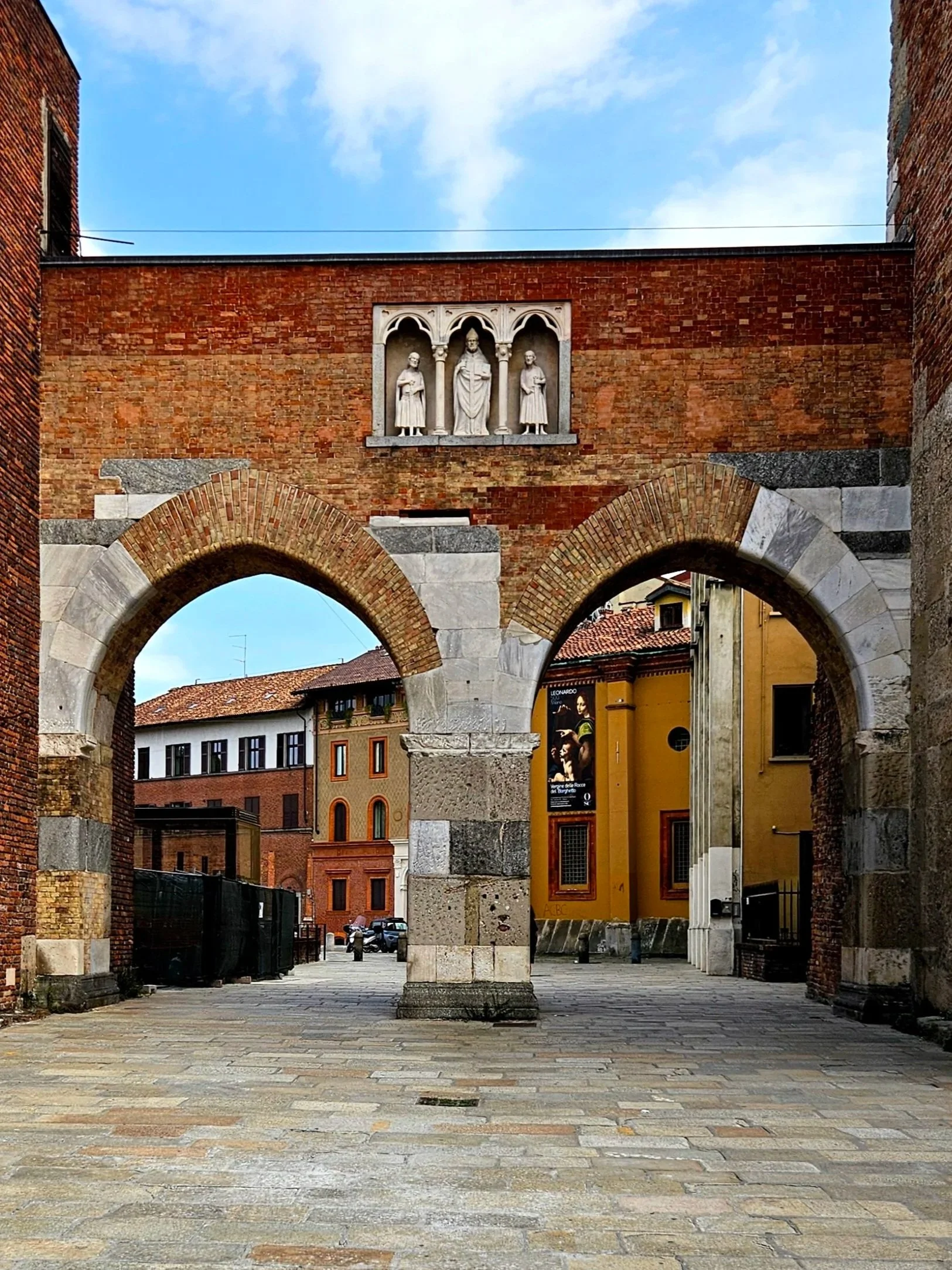
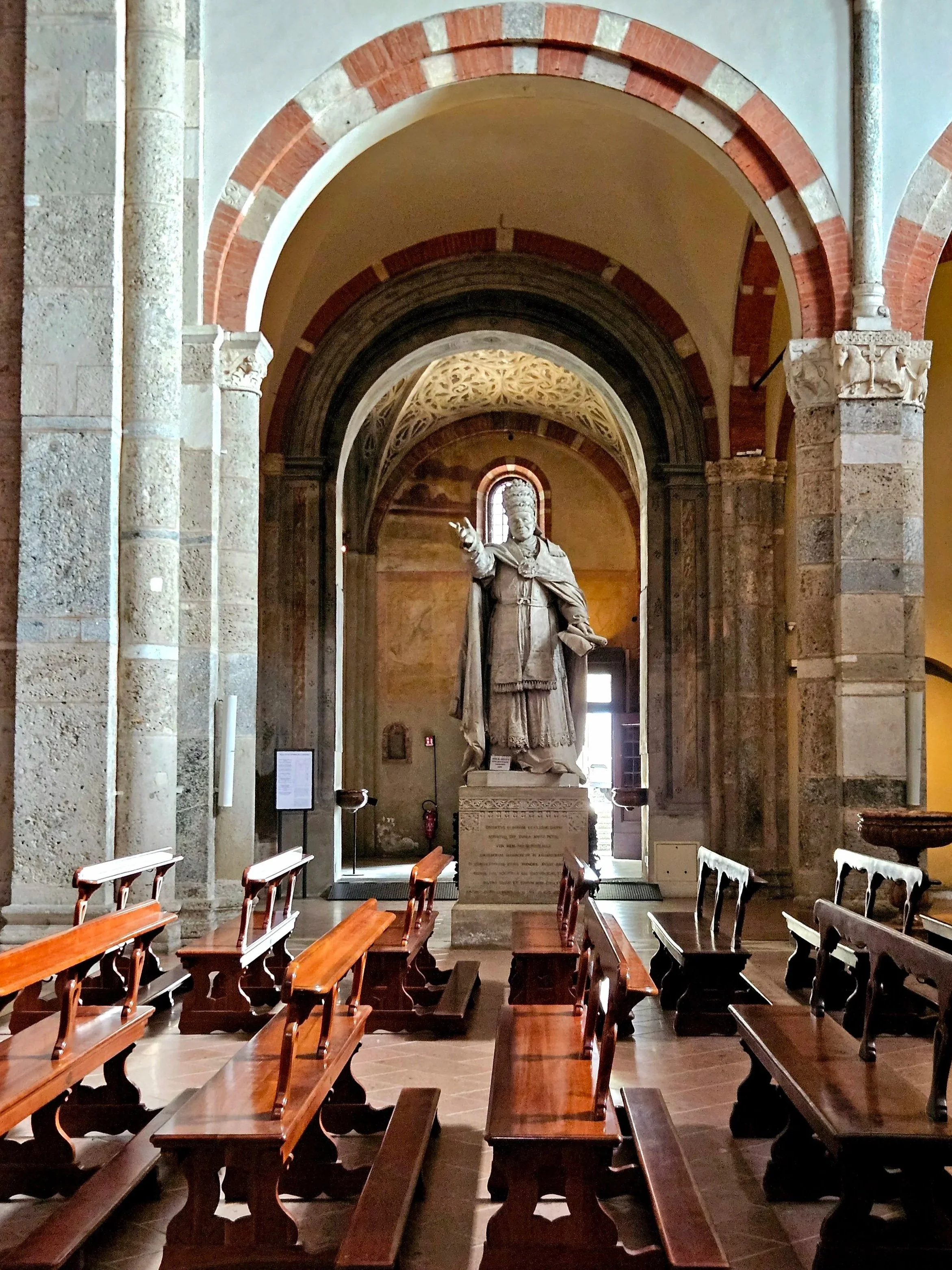
as one of milan’s oldest churches, basilica di sant'ambrogio stands out for its symmetrical red brick arcades and peaceful courtyard.
a little further west, basilica di santa maria delle grazie combines a brick facade with an impressive dome and terracotta decoration.
the adjoining museum is also home to leonardo da vinci's famous the last supper.
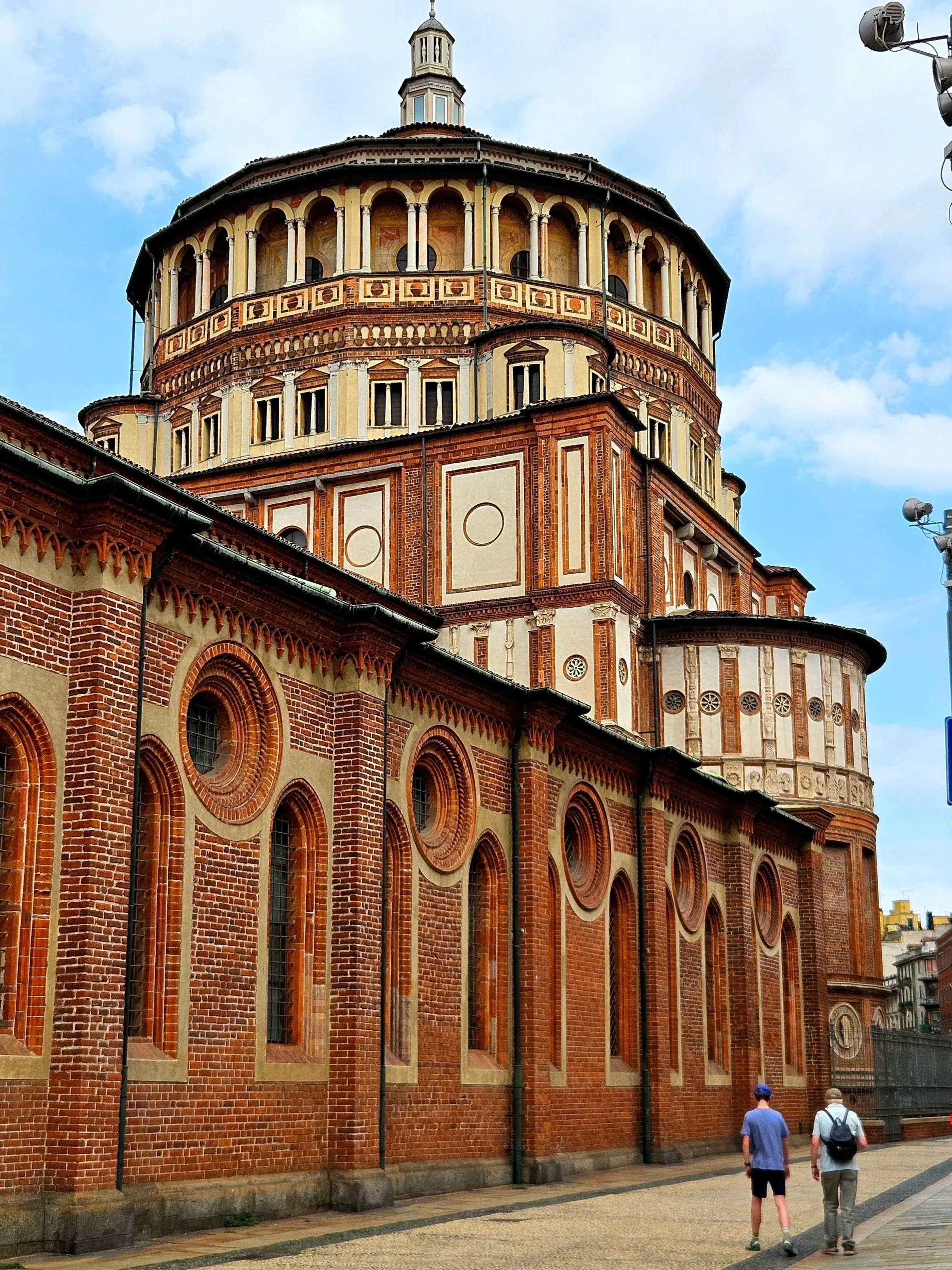
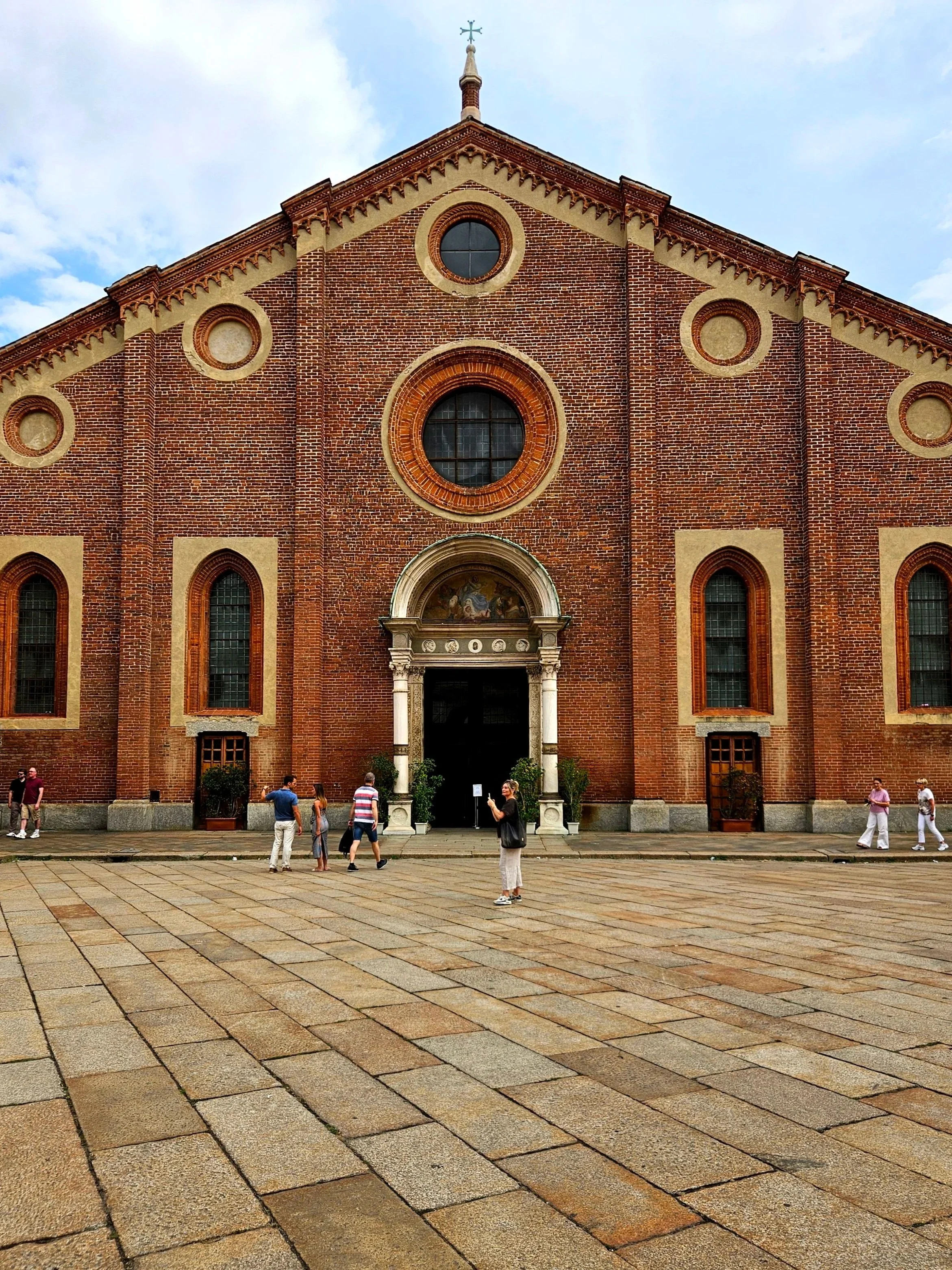
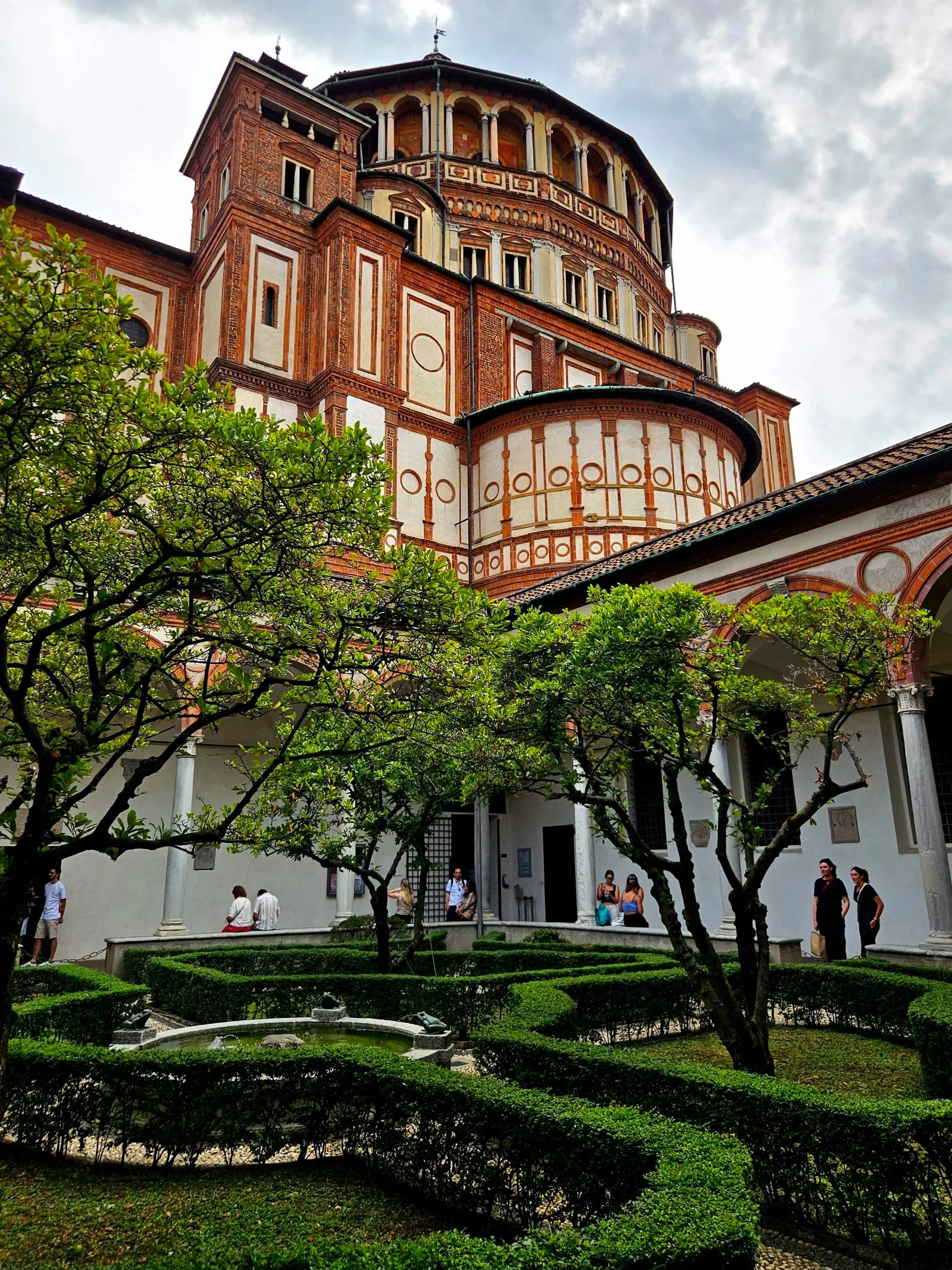
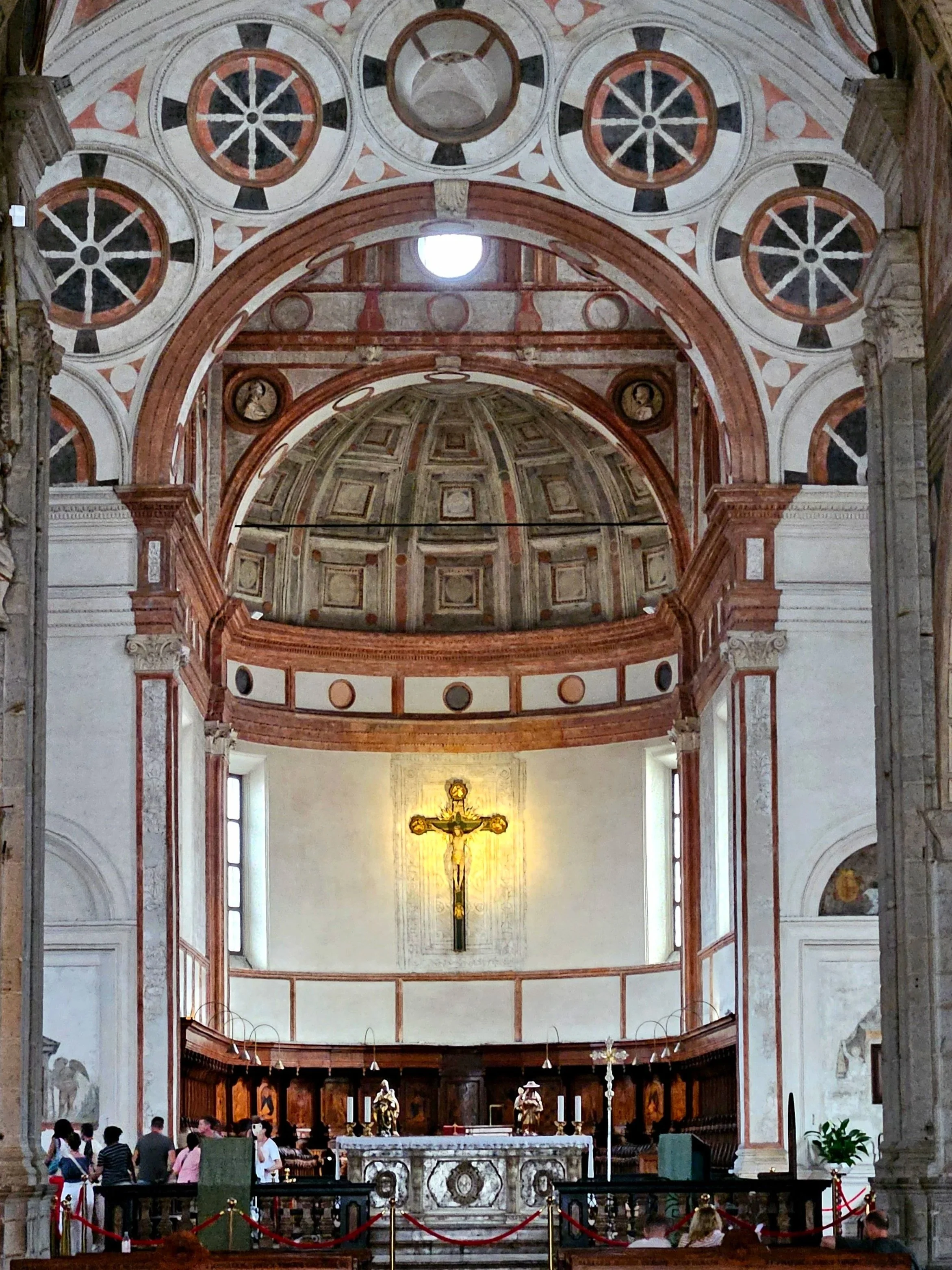
beyond these landmarks, the surrounding streets are worth exploring in their own right.
this part of milan is highly calmer, with elegant residential buildings, decorative facades and balconies.
castello sforzesco
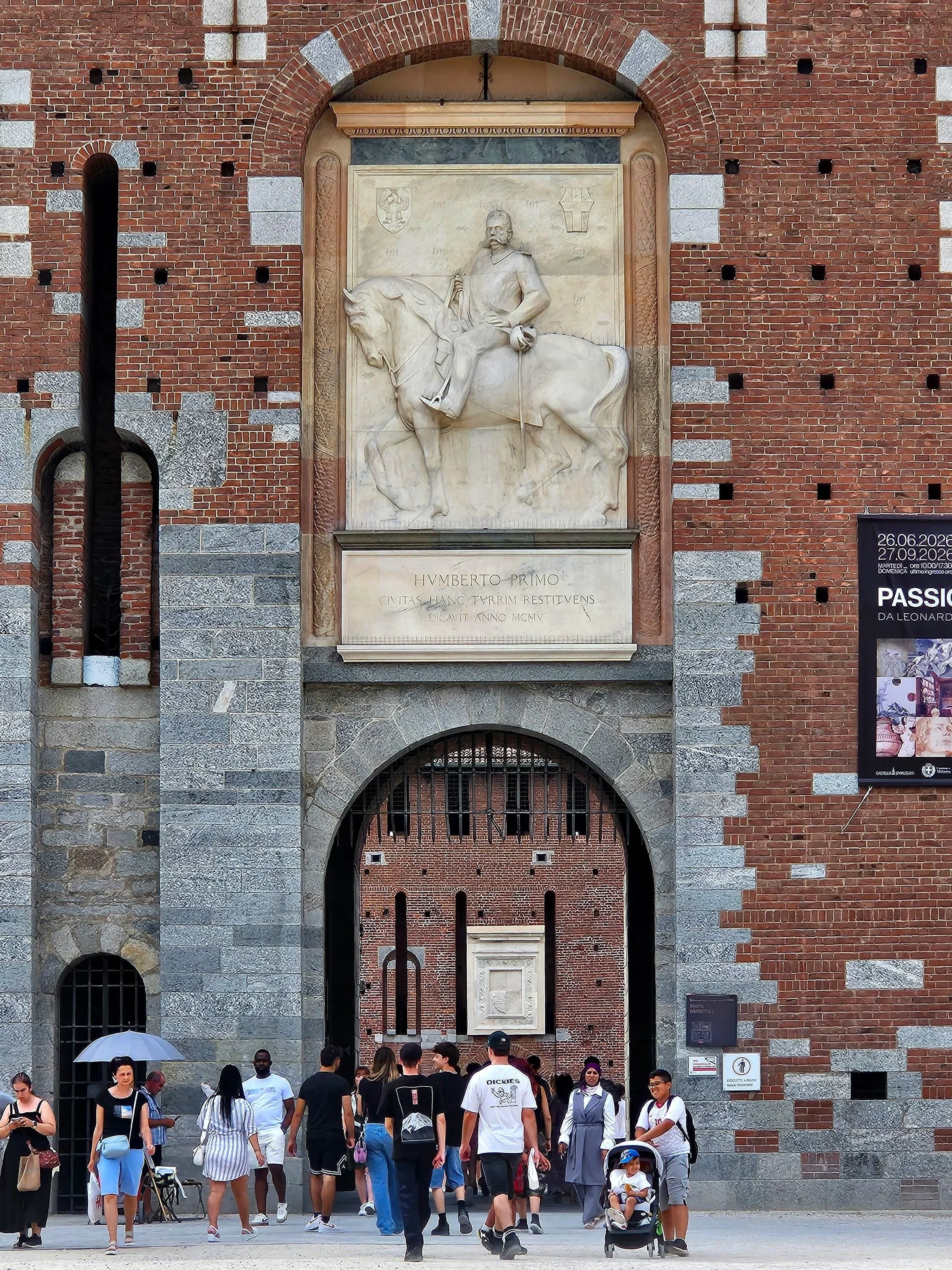
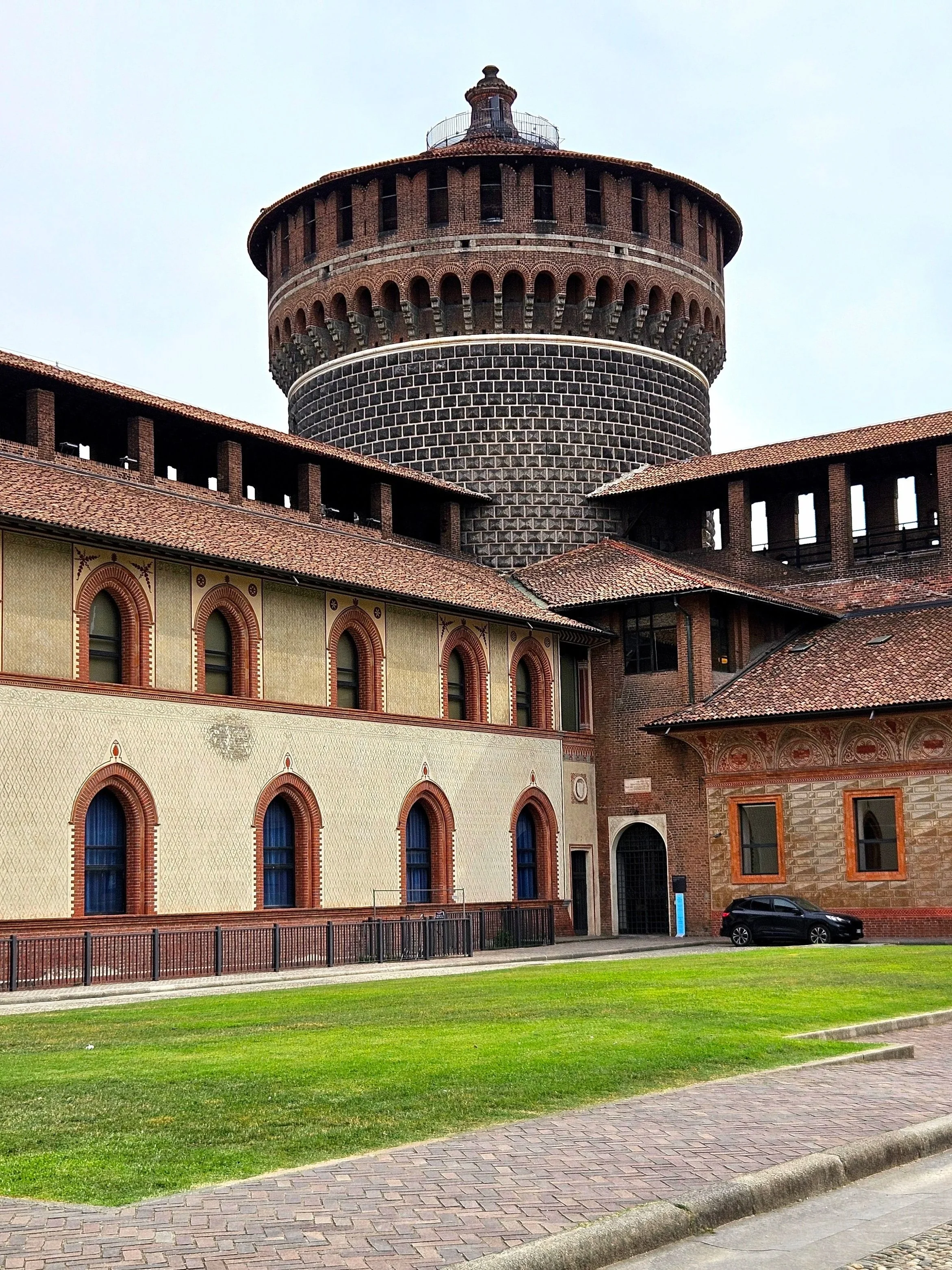
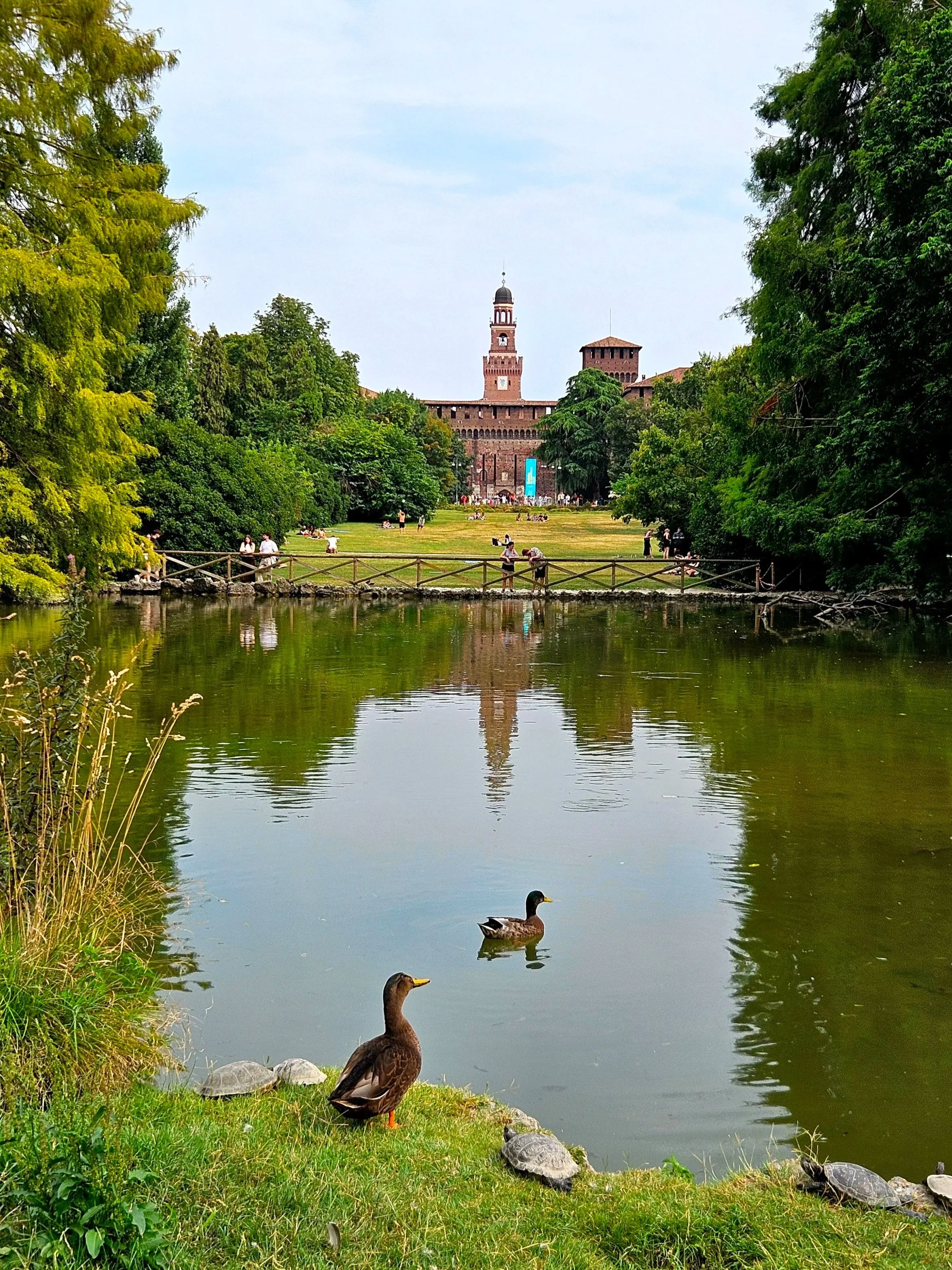
i ended my walk through historic milan around castello sforzesco and parco sempione.
the castle is a red brick fortress with large courtyards, walls, and towers, reflecting milan's history under the sforza family.
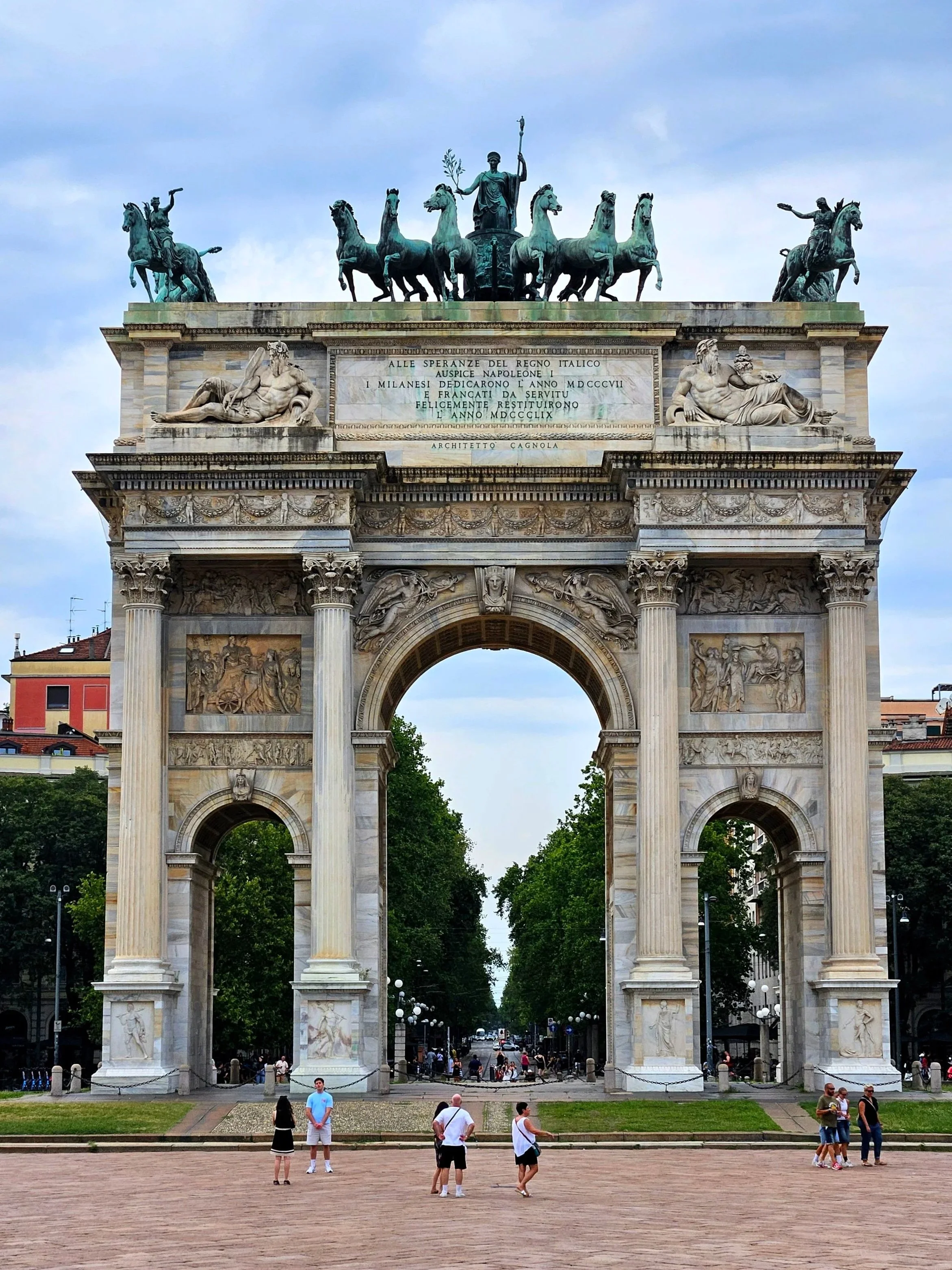
behind the castle lies parco sempione, a popular green space where i enjoyed a peaceful walk towards arco della pace, a grand neoclassical arch.
venues
if you still have the energy, there are two more areas nearby worth exploring, particularly for food and shopping.
just north of parco sempione, chinatown offers a lively food scene with asian dishes, drinks and more.
bokok is a popular spot known for its distinctive library-style interior, serving dim sum, noodles, tea and other east asian dishes.
heading towards san marco and brera, you'll find a more relaxed and creative atmosphere, with independent boutiques, galleries, gift shops and stylish cafés.
la latteria is a small, intimate place known for its traditional milanese dishes, and pattini is a great spot to enjoy italian pastries over a cup of coffee.
gift shops such as pettinaroli and rigadritto are also worth visiting if you're looking for unique and thoughtful souvenirs.