compared to nearby venice, trieste might seem quite boring as a small seaside town, yet it has a lot to offer.
its history, architecture, and strategic location make it a much more interesting place than it first appears.
i spent my time walking around the historic centre, heading up towards san vito and stopping at cafés around barriera nuova.
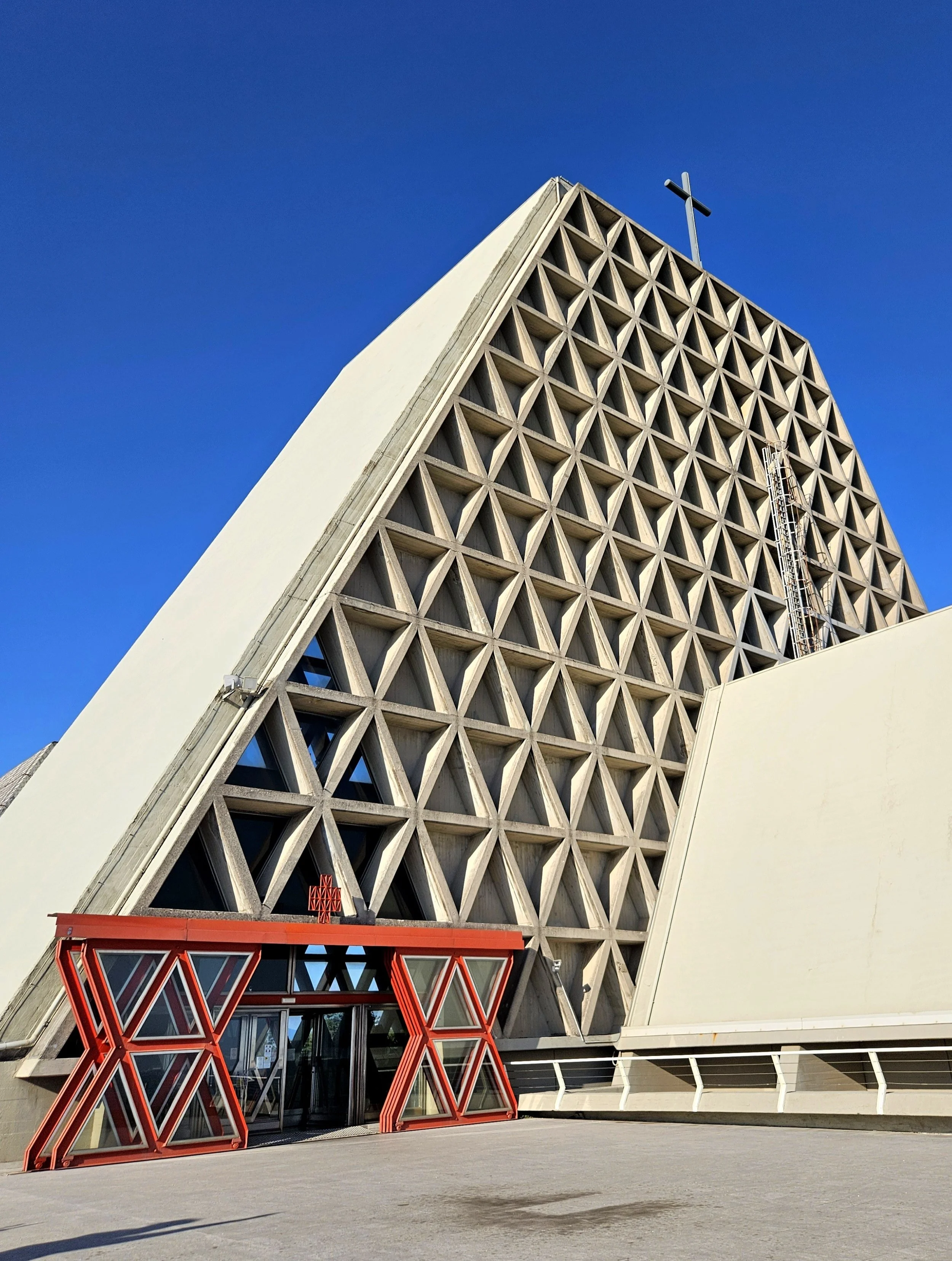
other highlights included walking along the adriatic coast towards castello di miramare and visiting the brutalist sanctuary of tempio di monte grisa.
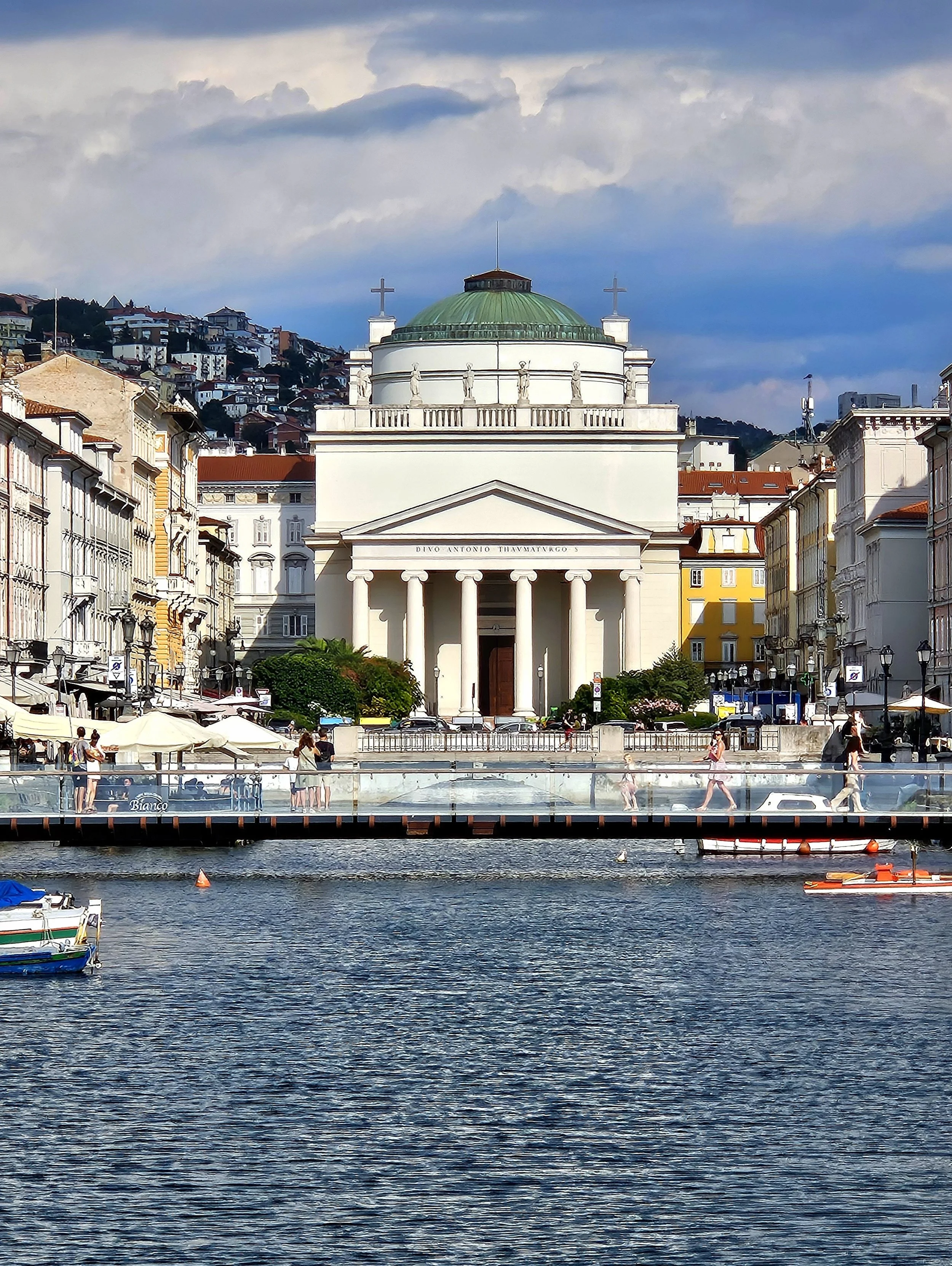
centro storico
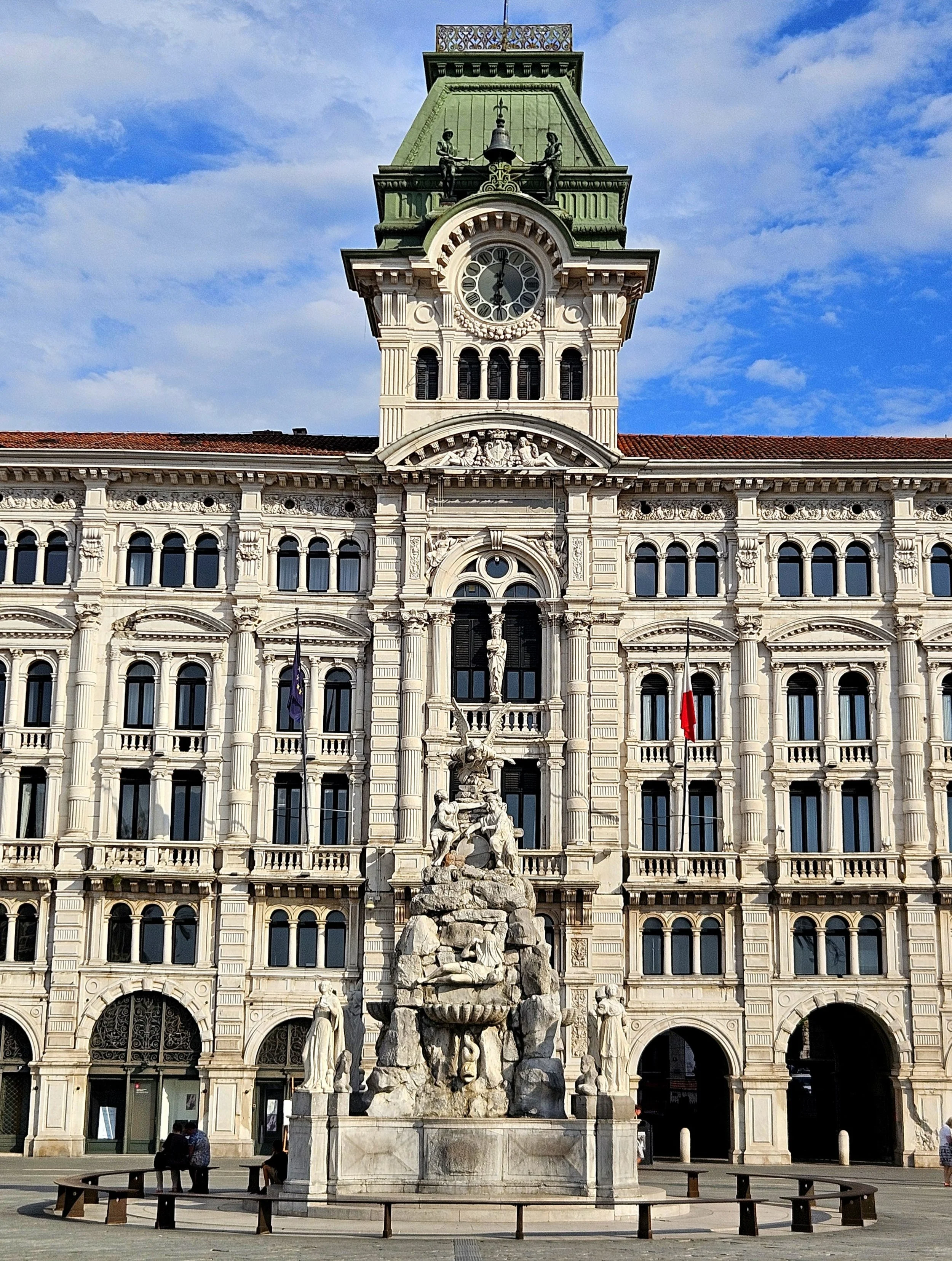
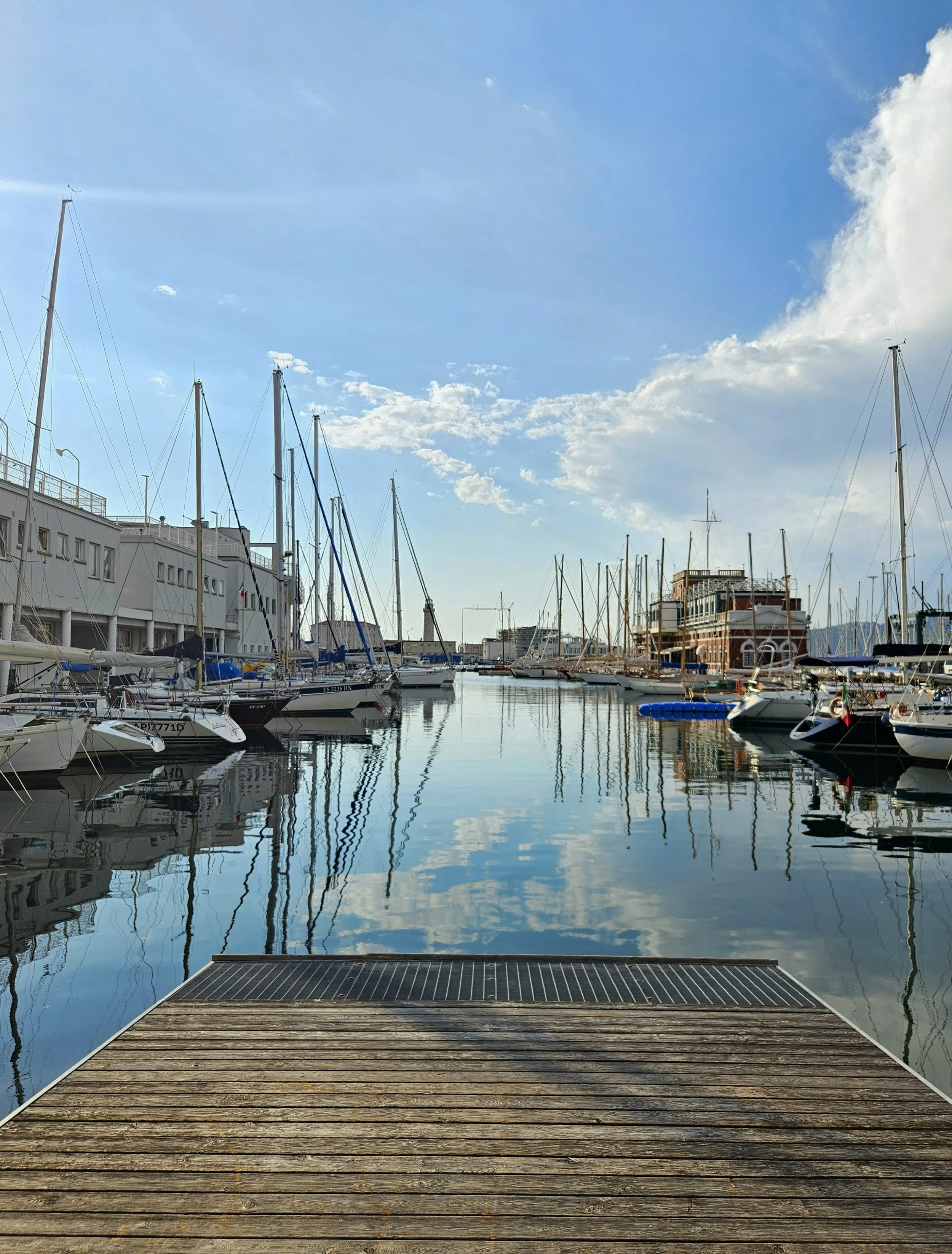
trieste's centro storico (historic center) is full of grand squares, elegant palaces, and bustling port life, reflecting the city's past as a major port of the habsburg empire.
much of the city center is defined by neoclassical architecture with ornate facades and decorative details.
the area features piazza unita d'italia, a grand waterfront square, along lively alleys and piazzas, as well as grand palaces reflecting a rich architectural heritage.
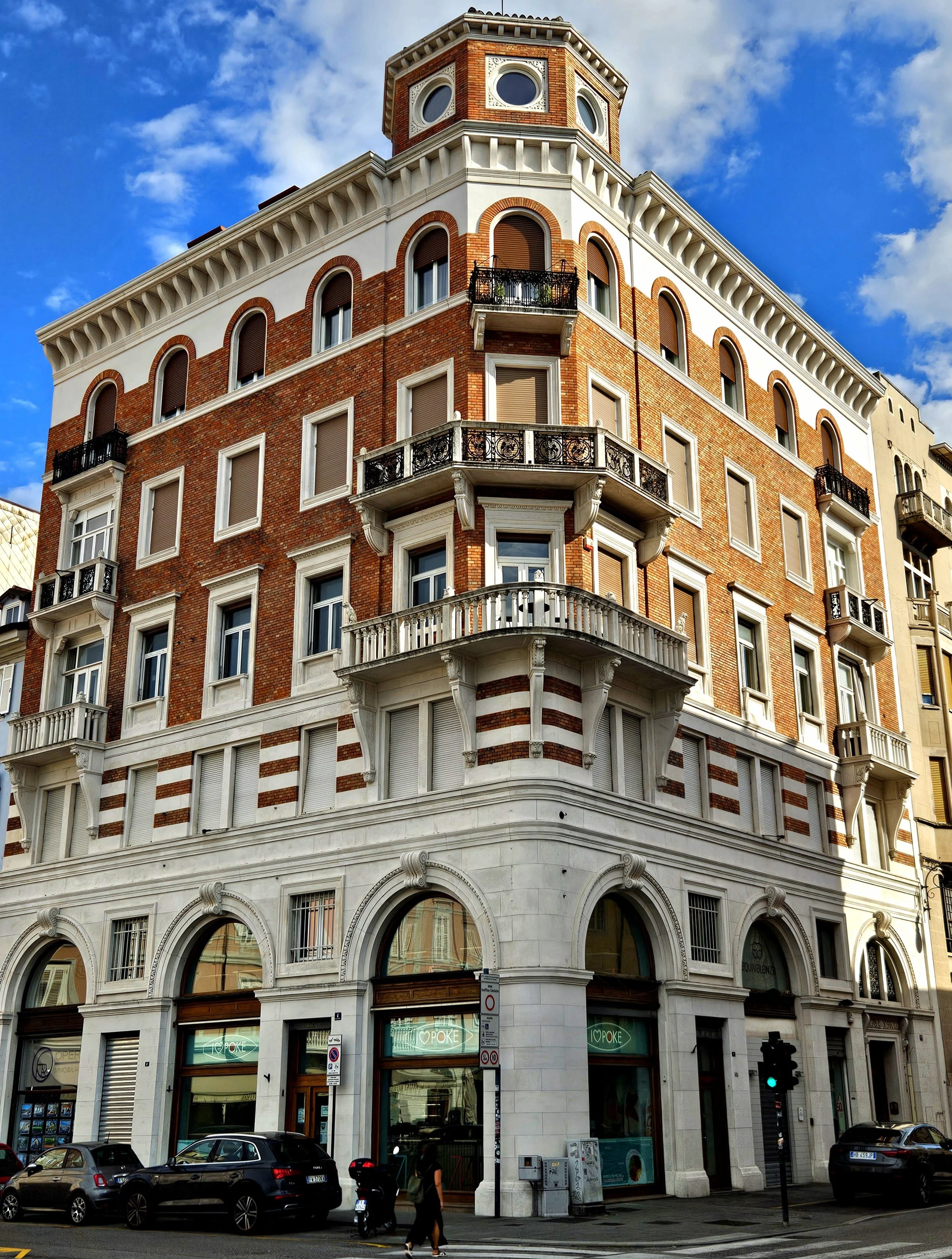
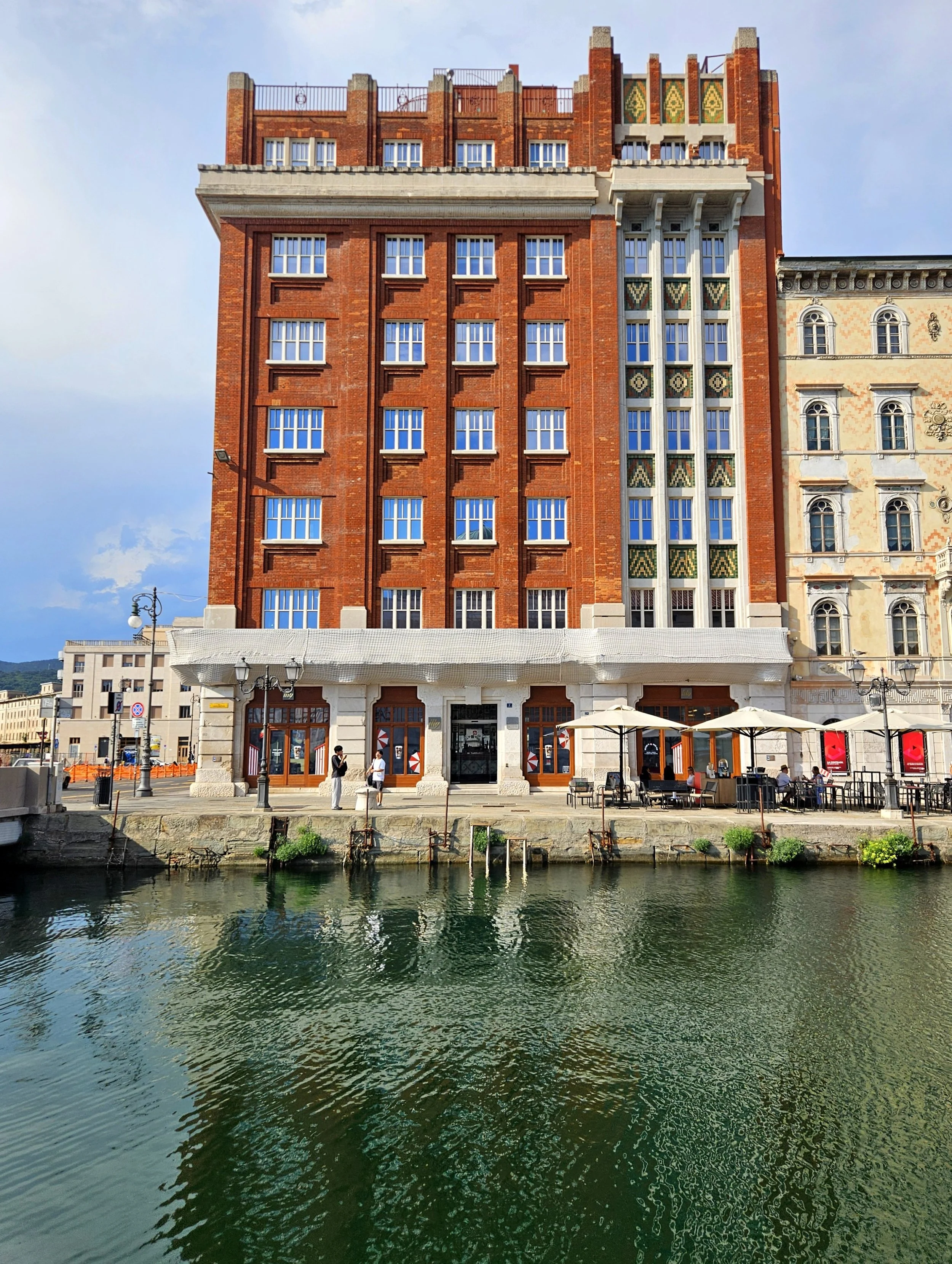
barriera nuova
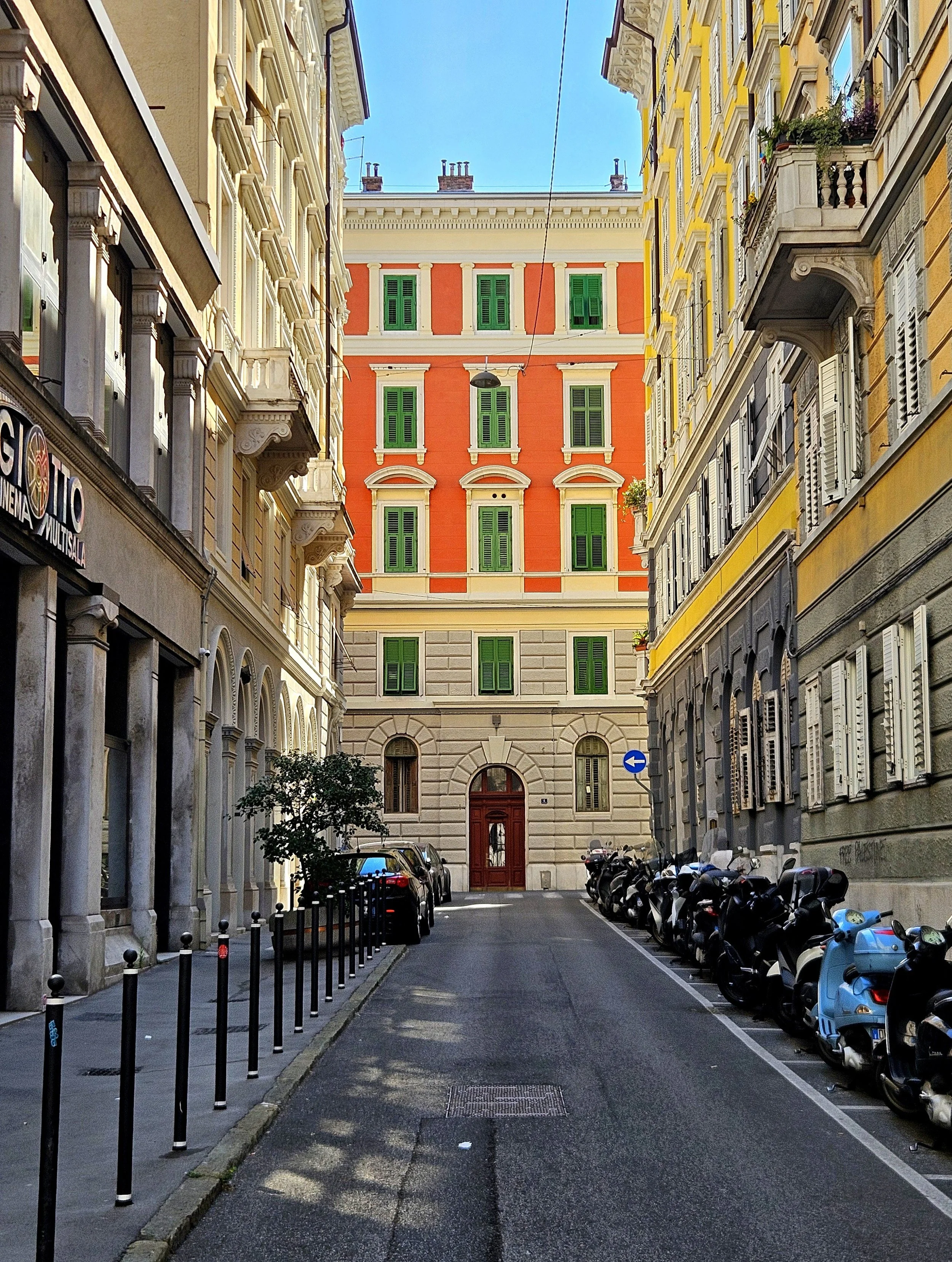
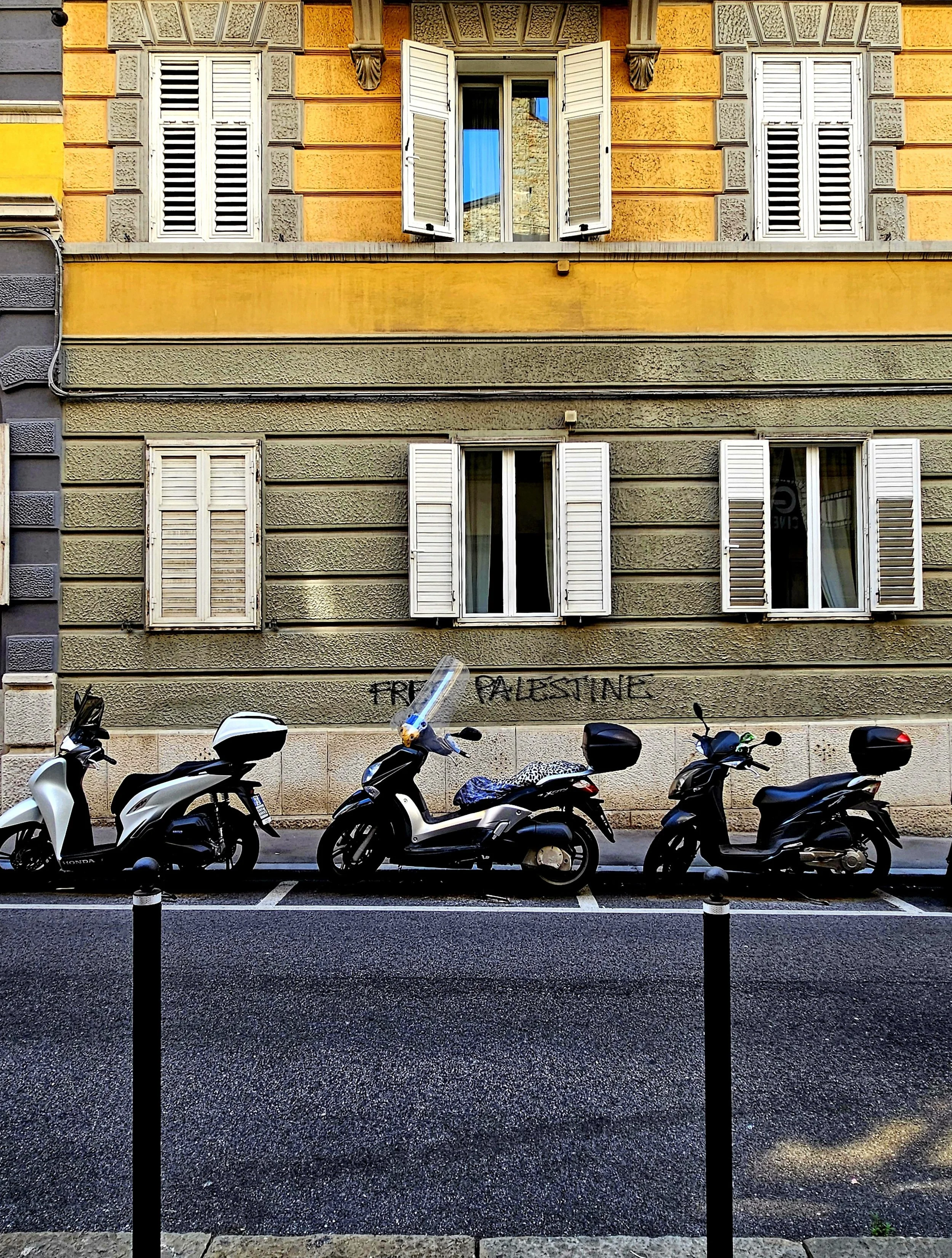
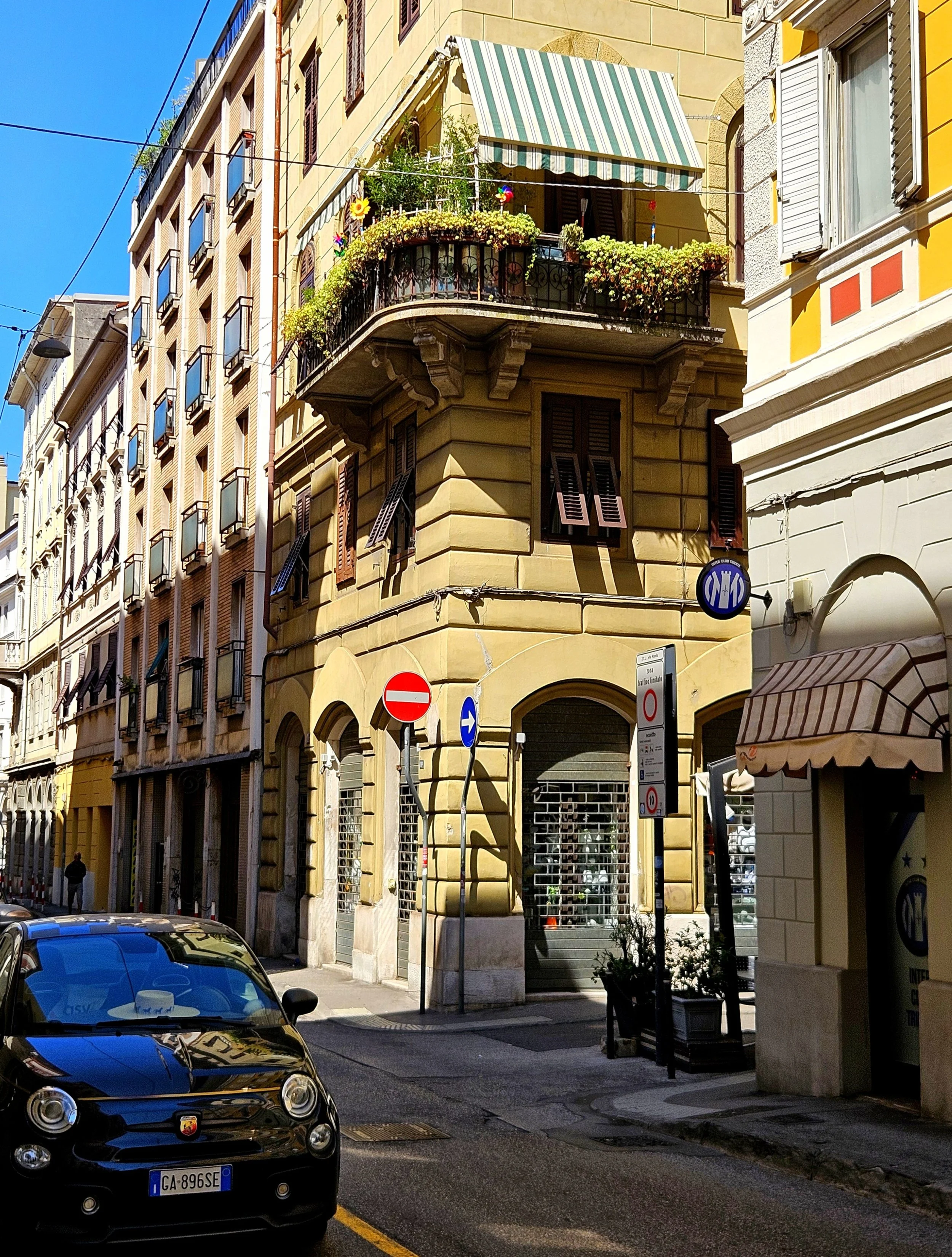
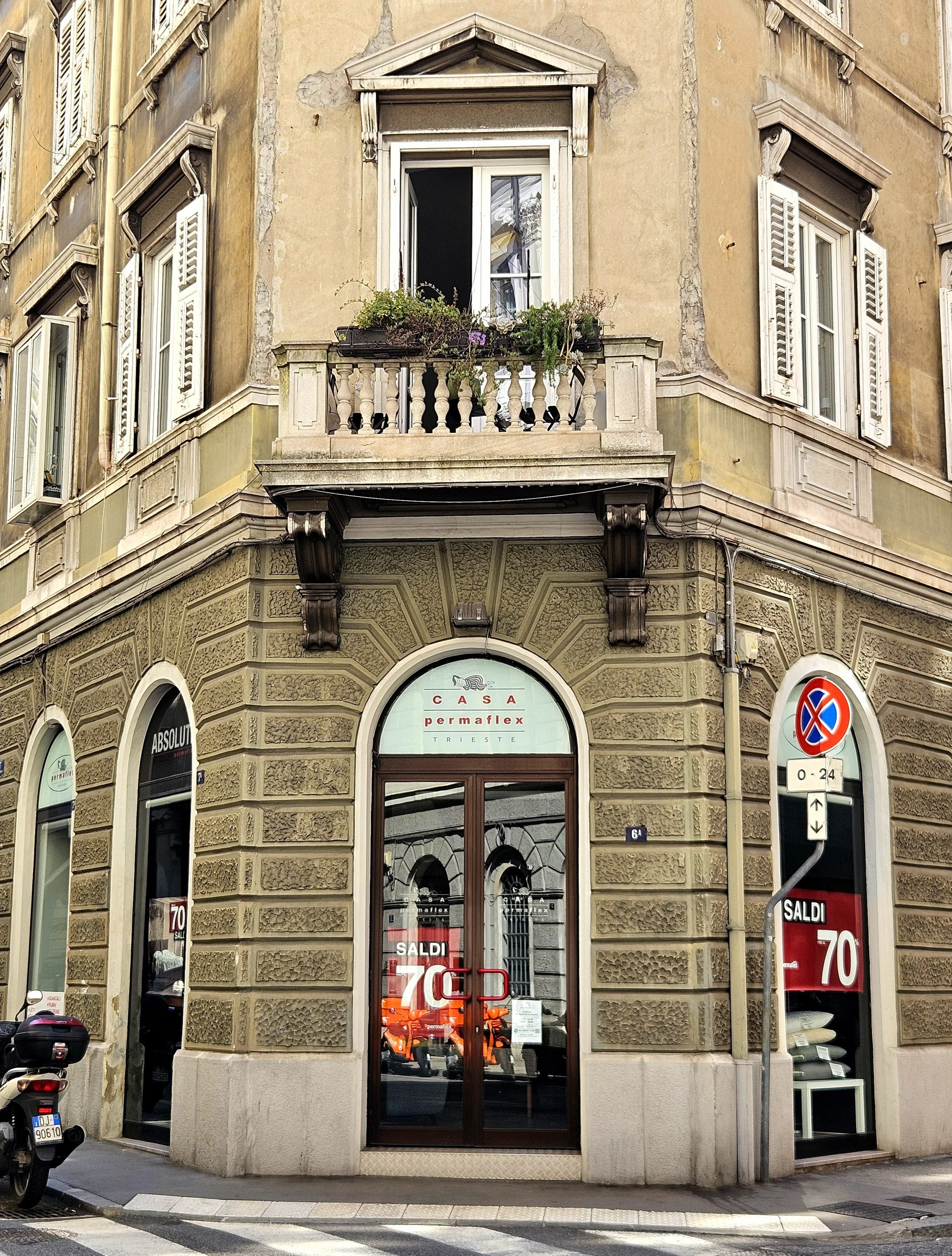
just beyond the historic centre, barriera nuova is a vibraNT neighbourhood known for its food and drink venues as well as 19th-century architecture.
the area was developed under habsburg rule, with residential buildings that feature decorative facades, distinctive balconies, and large windows.
its tree-lined streets, cafés, and shops offer a glimpse of everyday life in a relaxed neighbourhood setting.
san vito
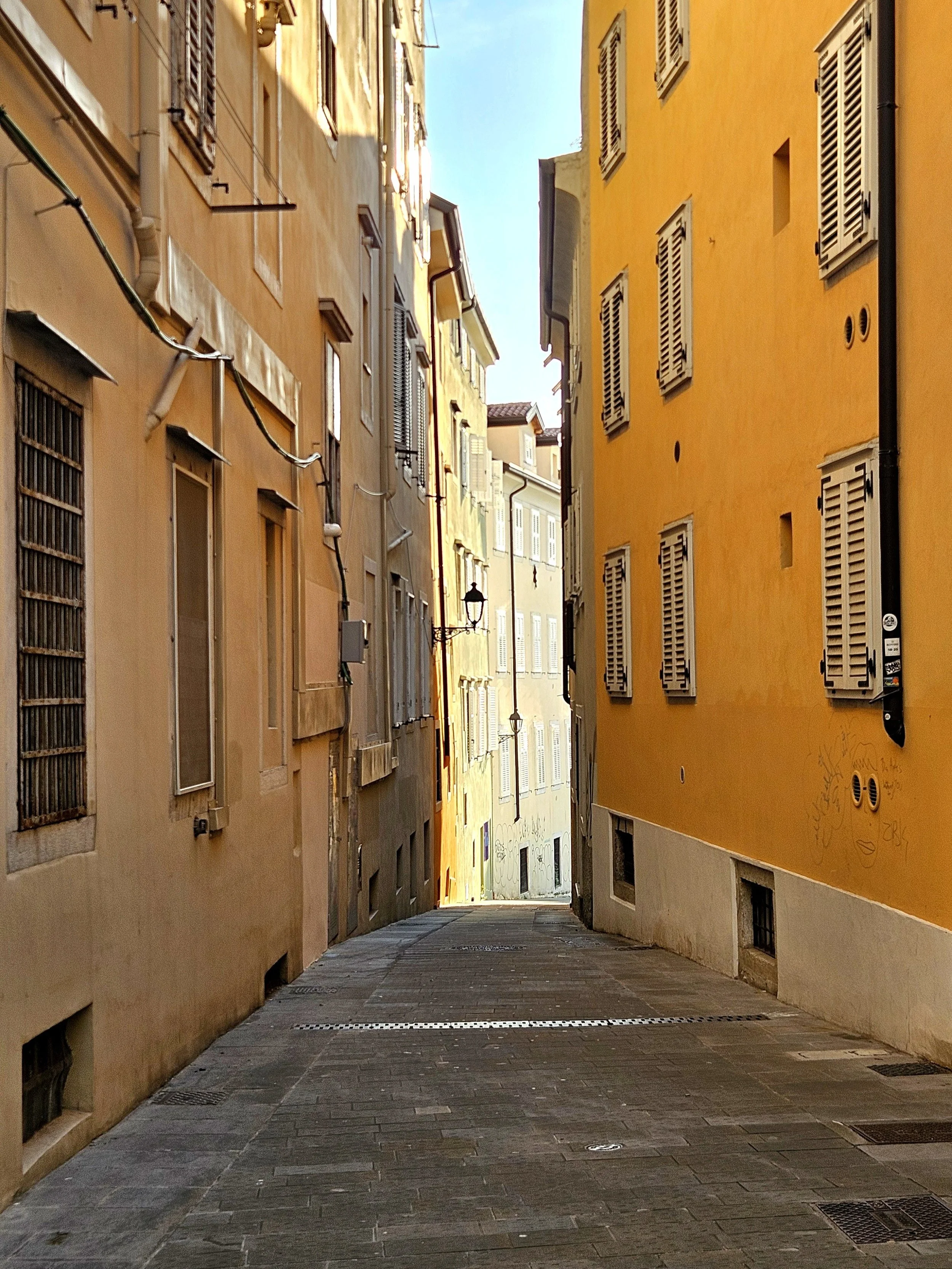
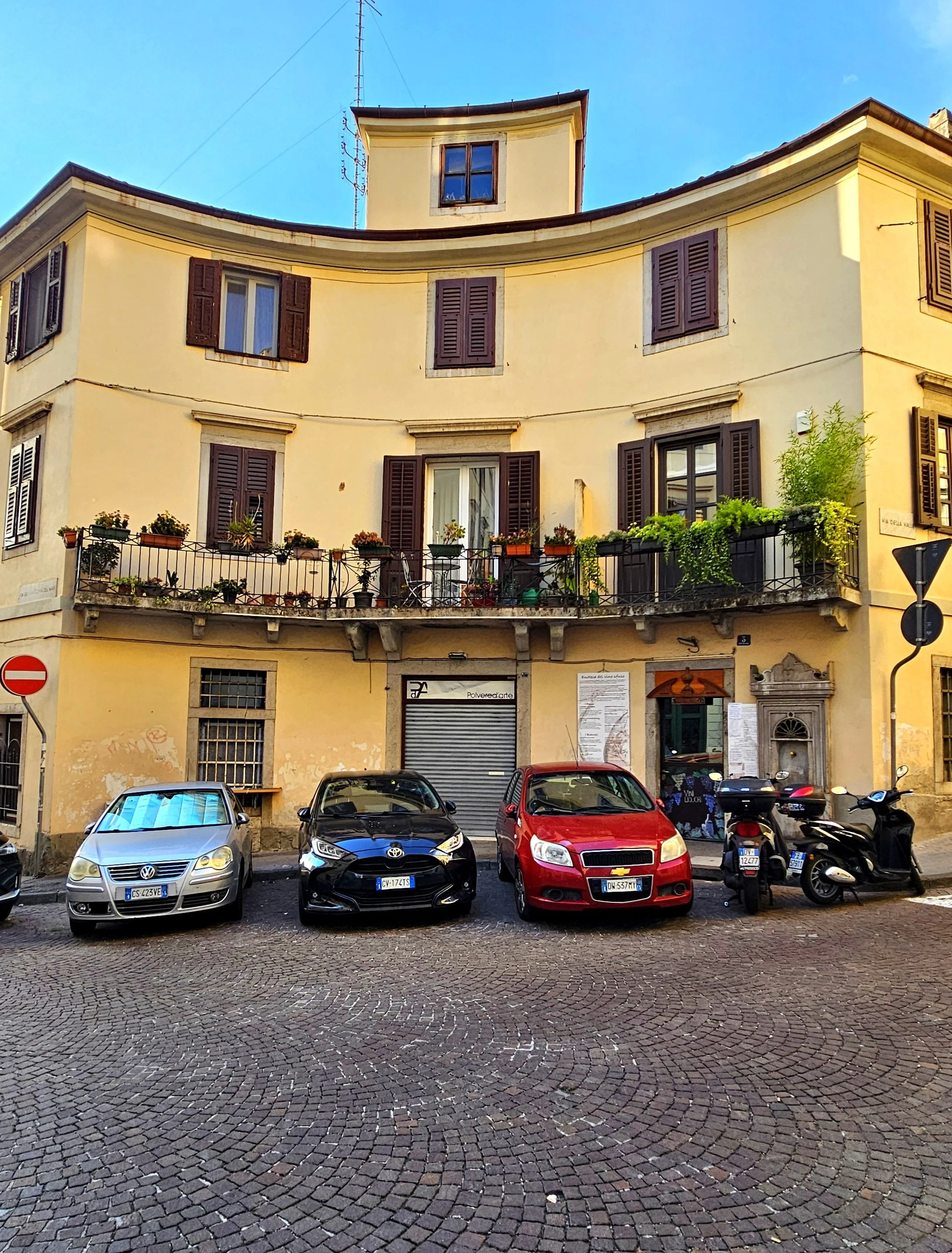
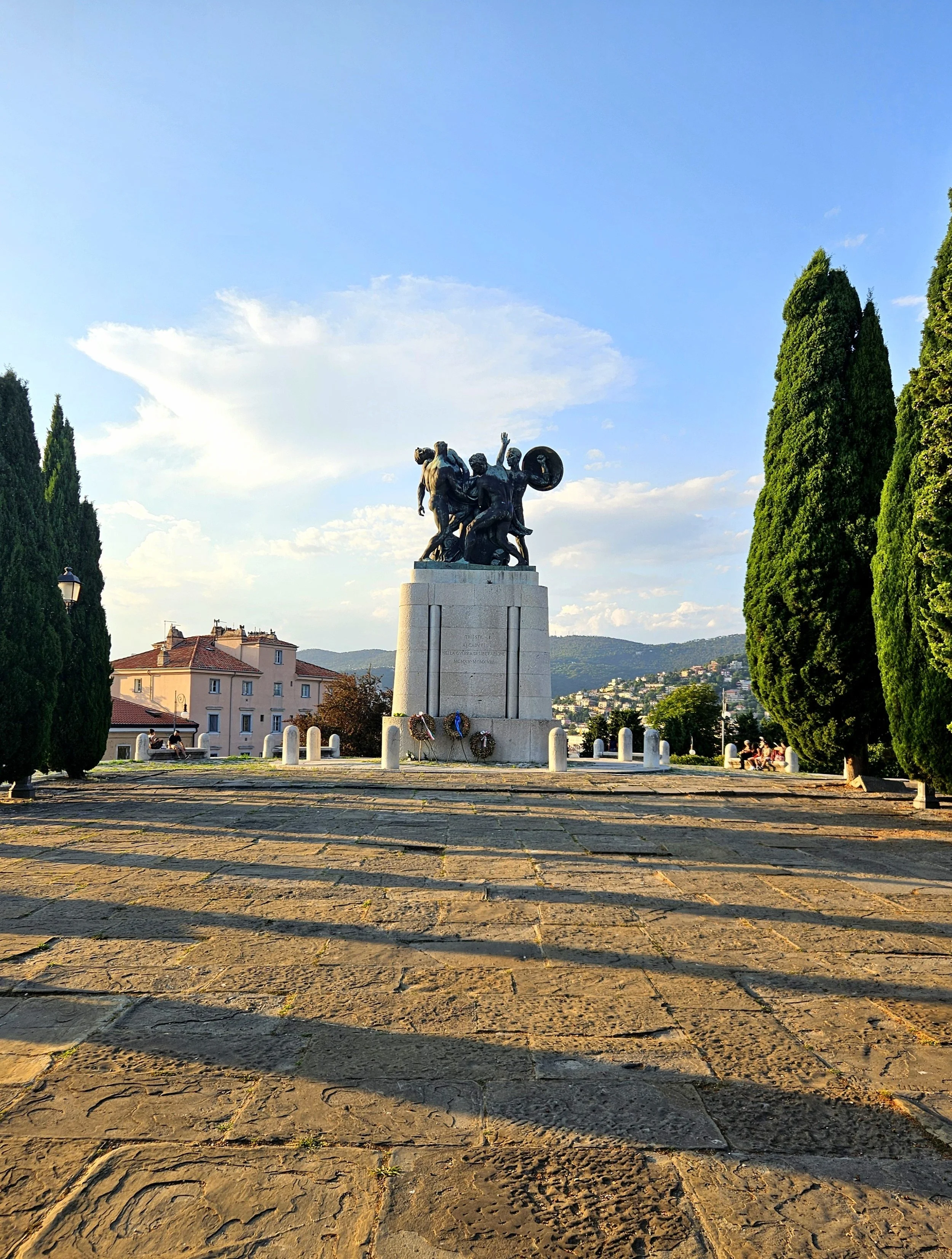
san vito was another regular part of my walks around trieste, with its hillside streets offering views over the city and the gulf.
the neighbourhood features a mix of historic residences, old villas, and modest apartment buildings on the slopes overlooking the adriatic.
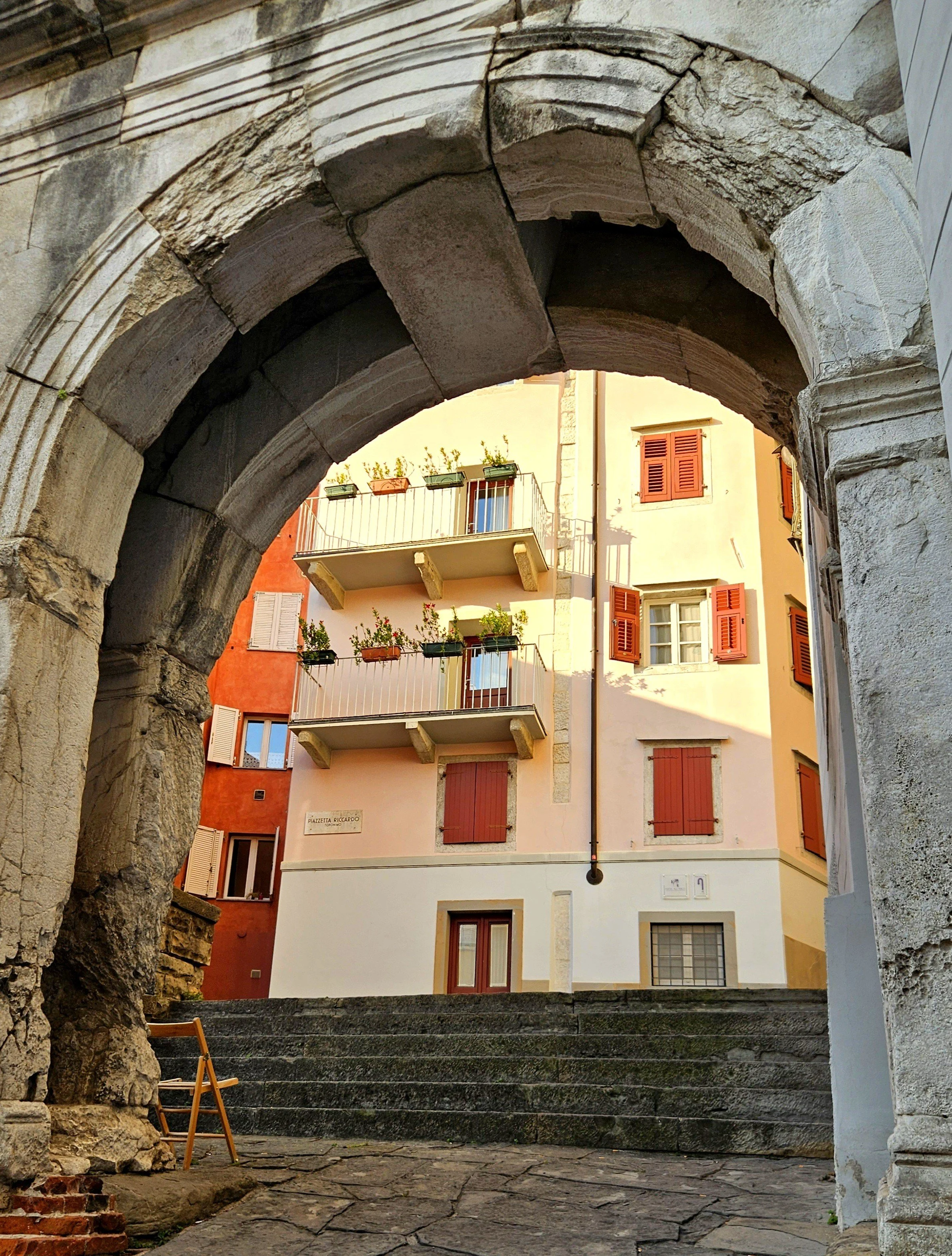
on nearby san giusto hill, the medieval castello di san giusto adds another layer of history, with its stone walls, fortifications, and panoramic views.
castello di miramare
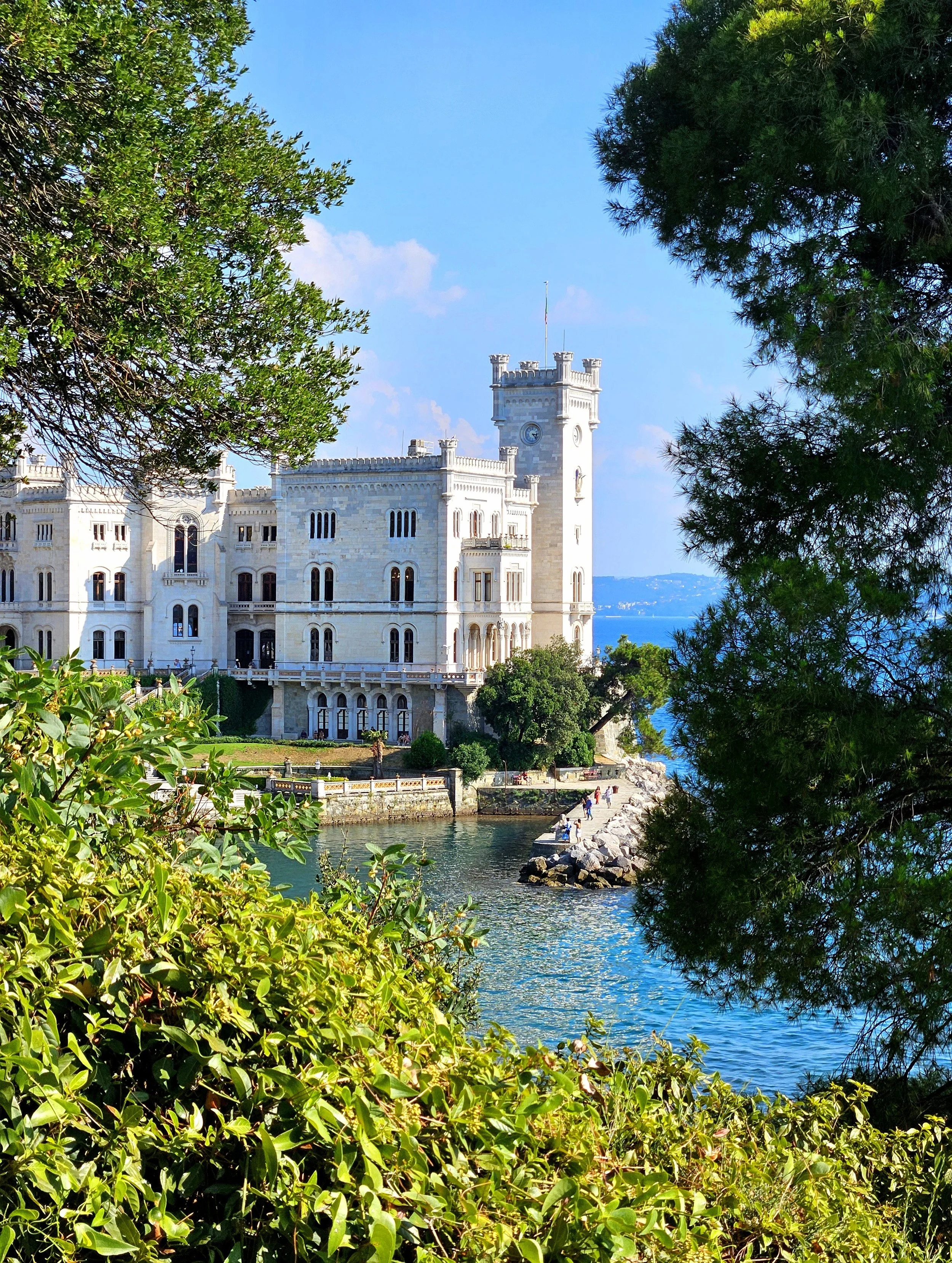
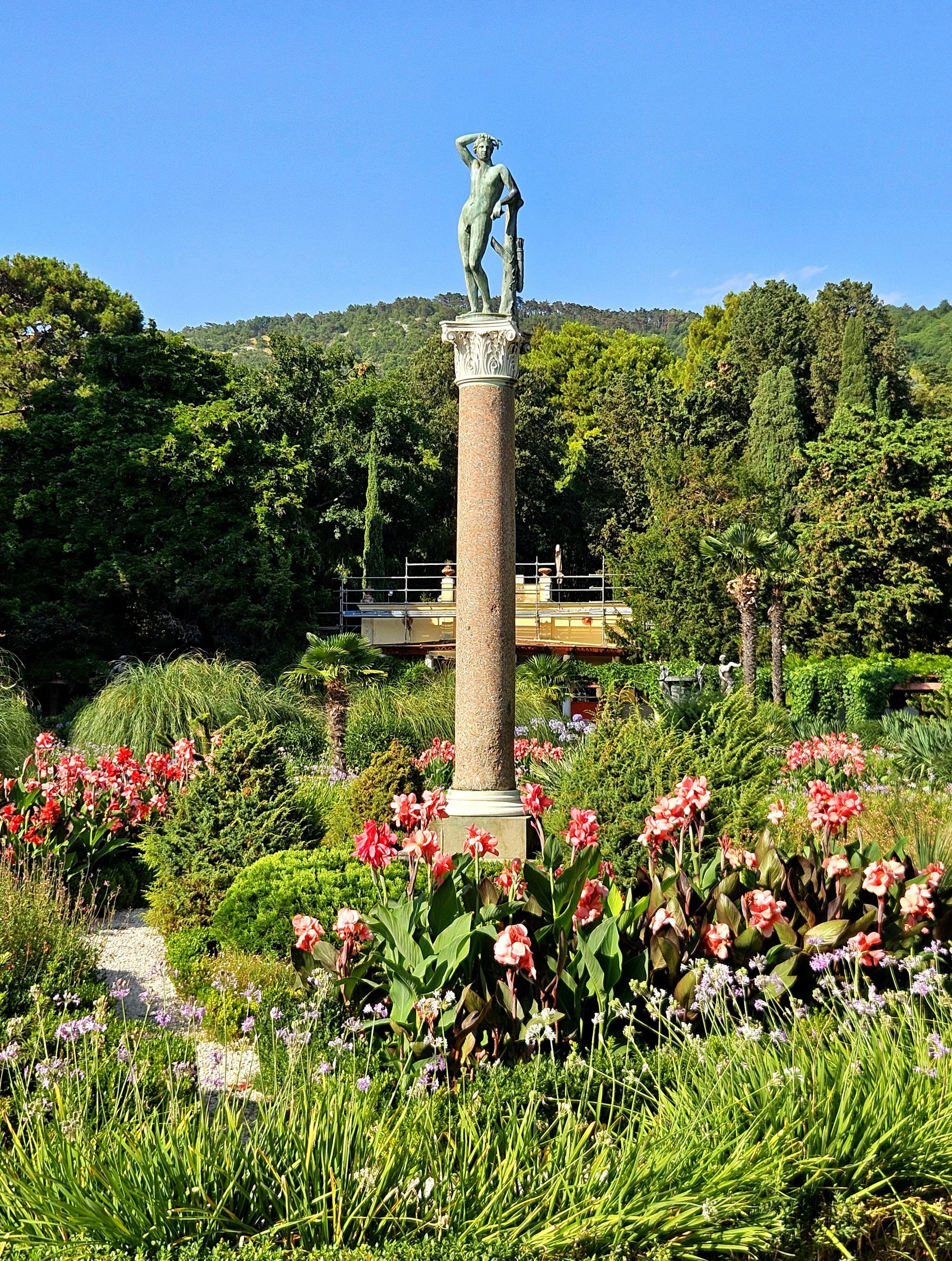
trieste is not just about its historic centre and quarters, as there are also several interesting places just outside the city, including castello di miramare.
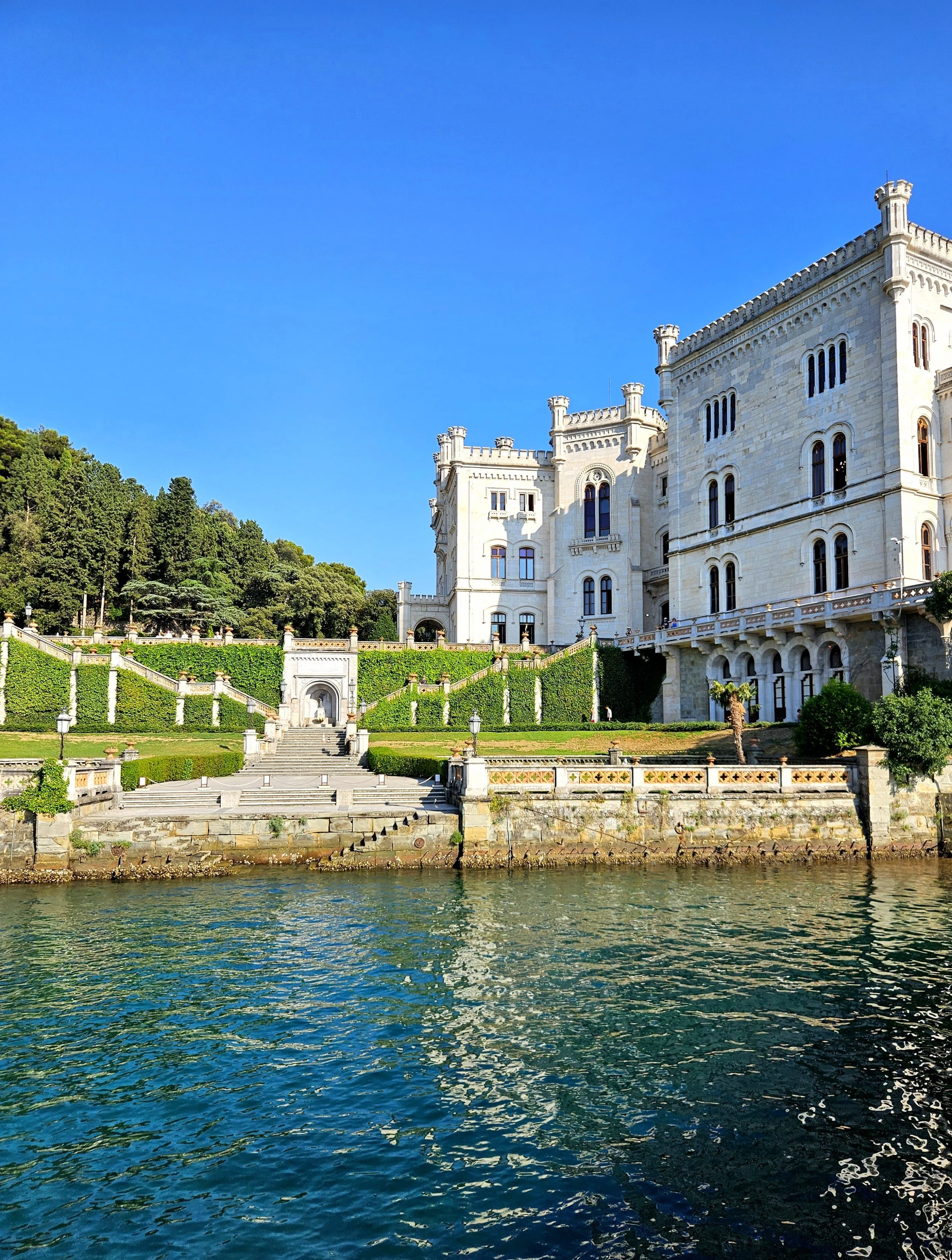
built in the 19th century as a residence for the habsburgs, the castle stands right by the adriatic sea, overlooking the gulf of trieste.
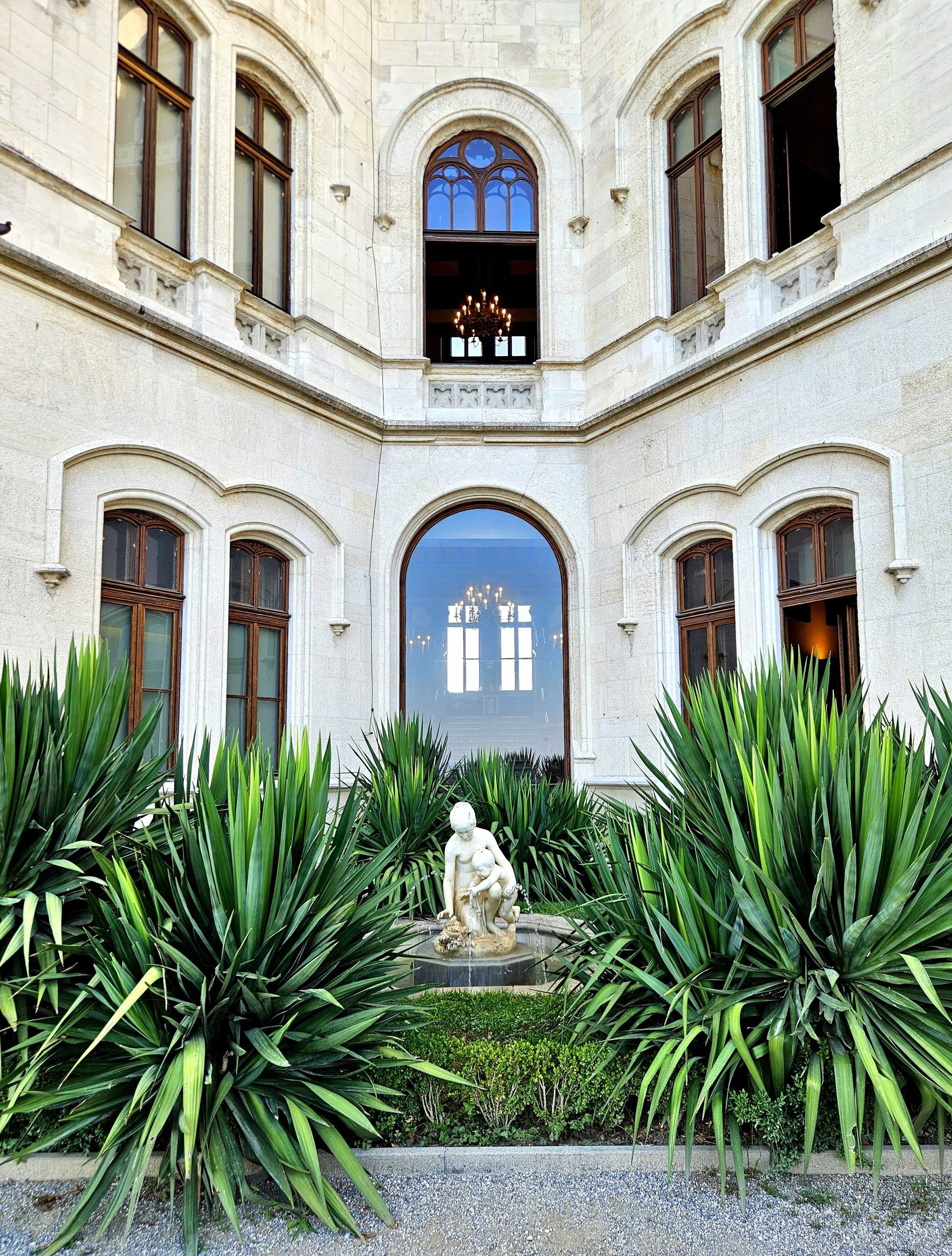
the castle is surrounded by a large garden with ponds, and walking paths, offering different views of its white stone facades and towers against the adriatic.
tempio di monte grisa
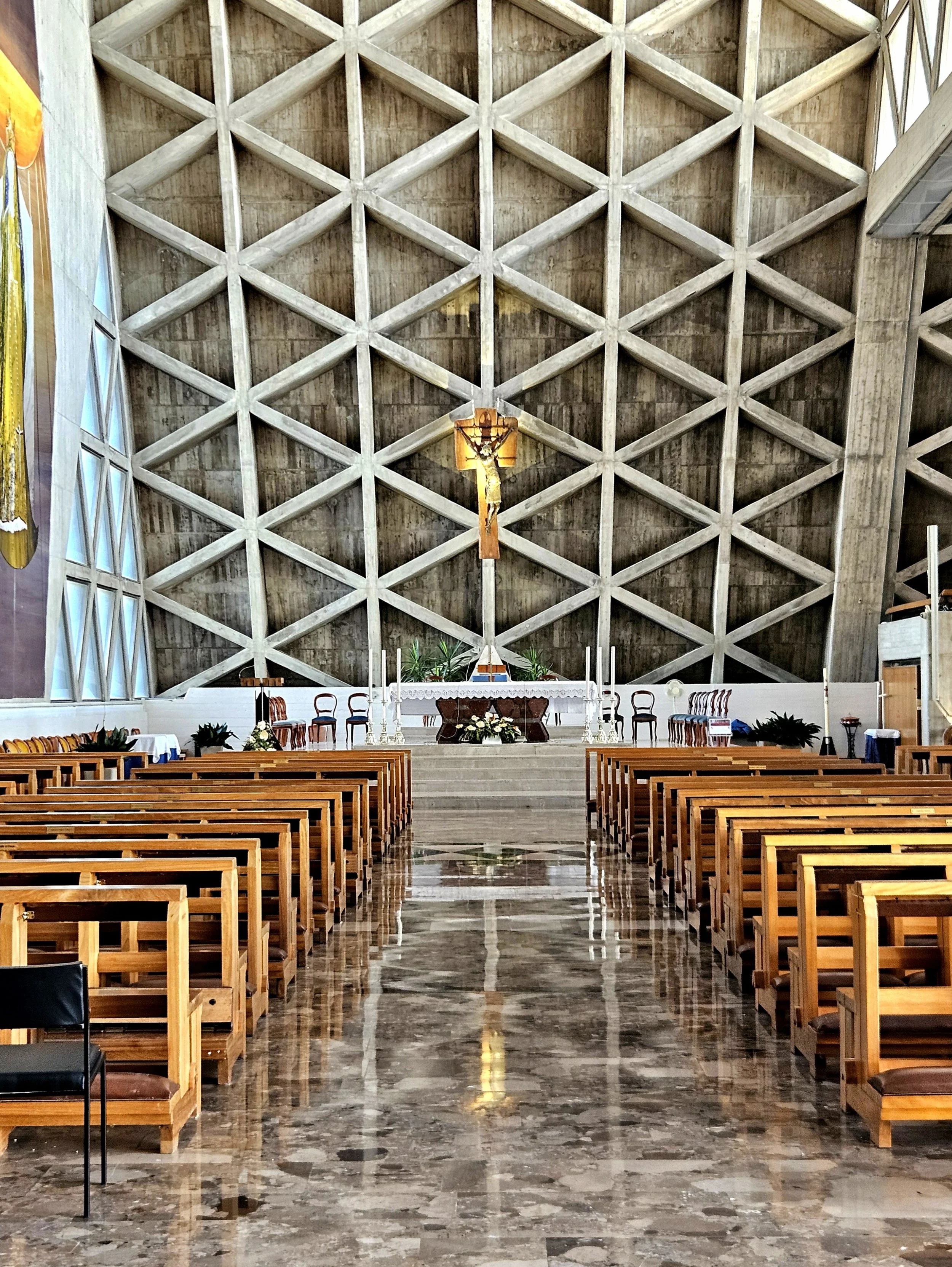
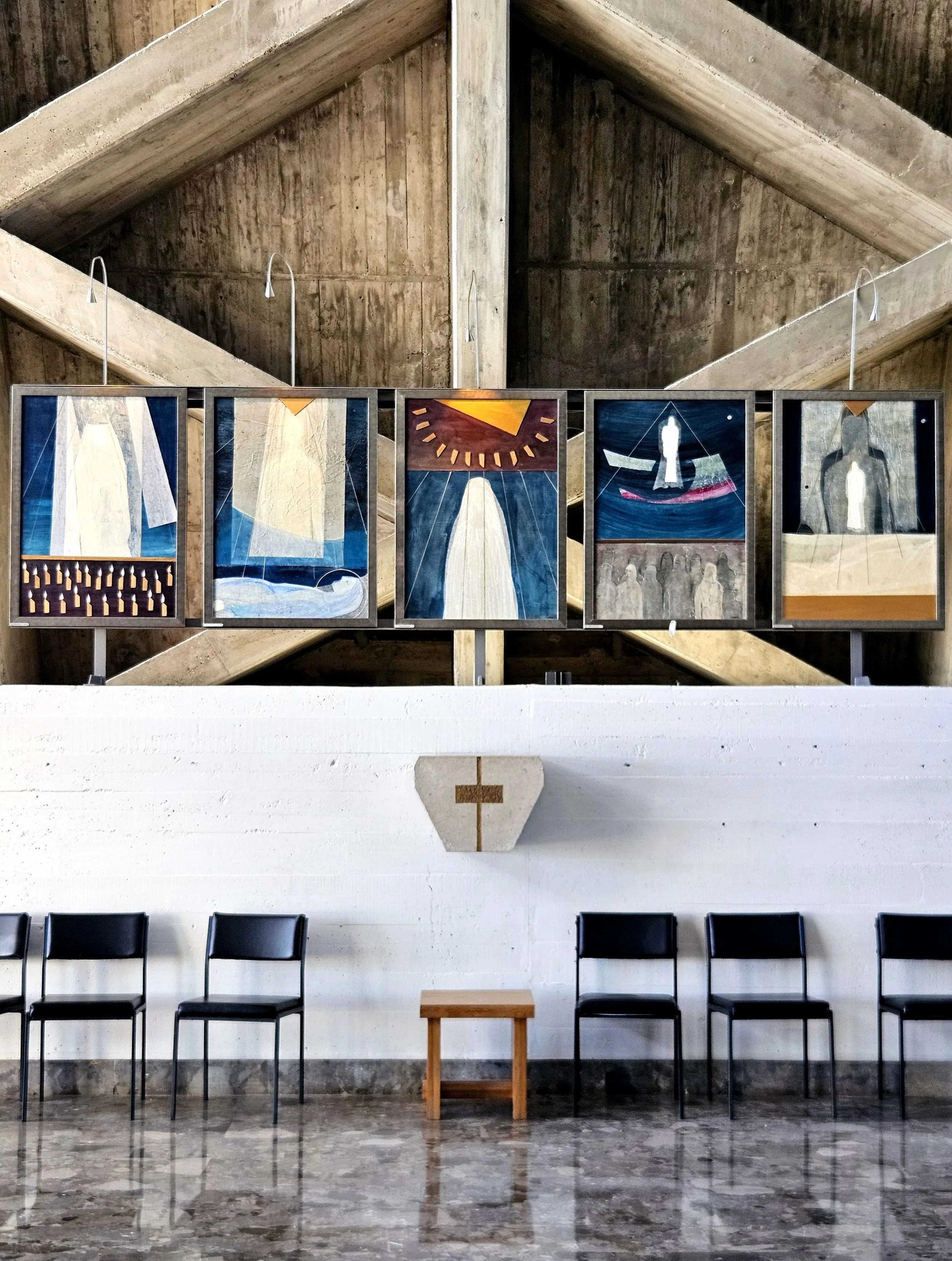
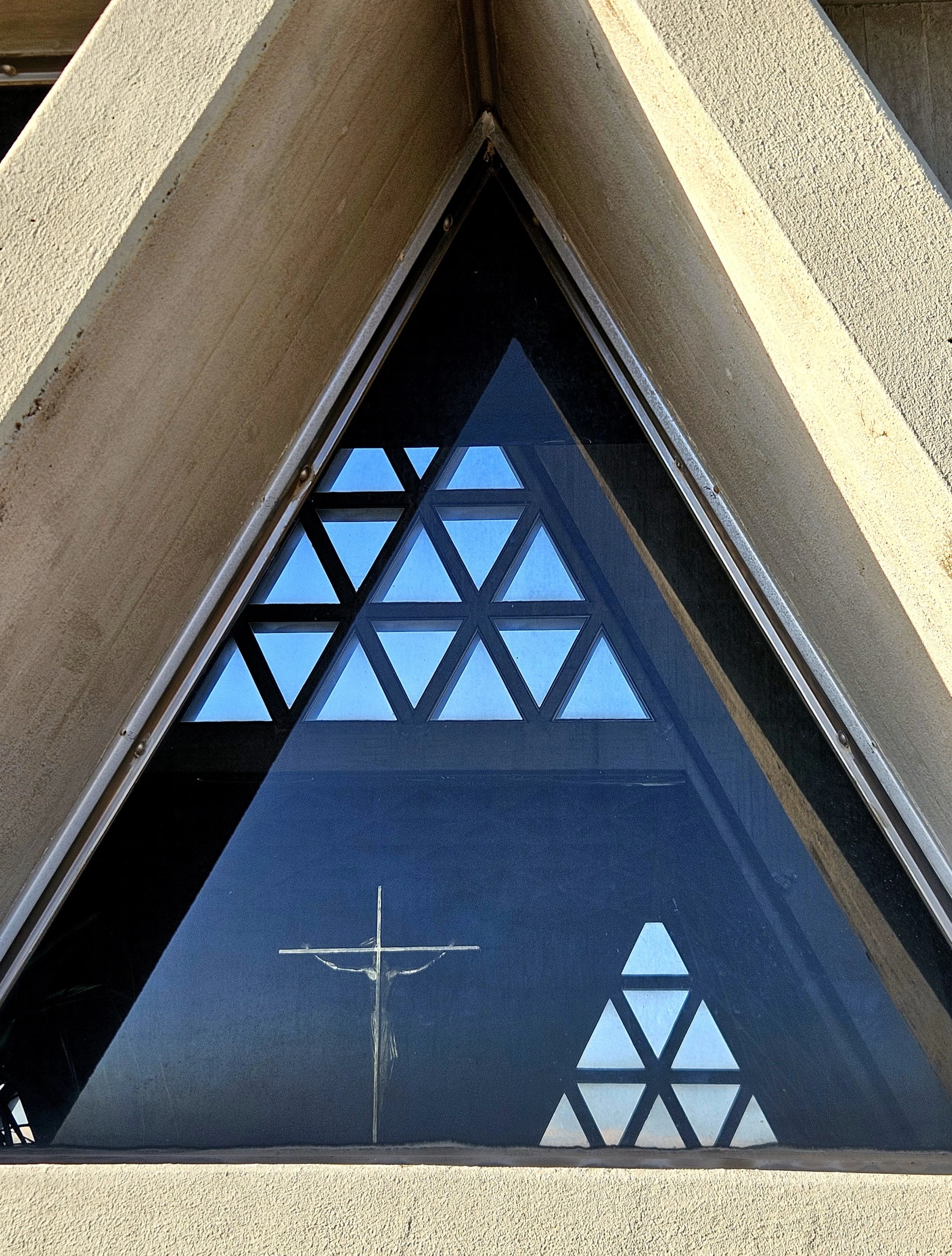
however, visiting tempio di monte grisa was definitely my favourite part of the trip.
the temple stands like a massive concrete monument on a hill overlooking the gulf of trieste.
designed by antonio guacci and completed in 1966, it features a brutalist architecture style with exposed concrete, sharp angles, and repeating triangular forms.
its outdoor terraces offer wide views of trieste, the surrounding hills, and the adriatic coastline.
venues
trieste’s café and restaurant scene reflects its italian and central european identity, with a mix of traditional dishes, pastries, and a strong coffee culture.
barriera nuova is definitely the go-to place with plenty of cafés and restaurants with outdoor terraces.
caffè san marco is a historic place dating back to 1914, with elegant interiors, marble tables, and a bookshop, offering a lovely setting for a fancy dinner or coffee.
vecio buffet marascutti is another historic restaurant that serves traditional dishes with austrian and central european influences.
along the pedestrianised viale venti settembre, places like pipolo 1929 and retrò schiacciateria offer a great variety of food and drinks, with outdoor seating.