shanghai is a fascinating city, not only for its history, architecture and urban evolution, but also for how it has been captured on the silver screen.
chinese cinema offers a unique lens to understand the growing pains of modernisation and human stories unfolding along the way.
in this second piece for culture, i explore shanghai through six films from two distinct eras, looking into the dynamics between a changing city and its people.
first, we explore modernisation through the lens of ‘new women’ in the 1930s and the rebellion of working class ‘sparrows’ against the corrupt ‘crows’ in the 1940s.
then, the ‘urban generation’ of the 1990s takes us into a completely different era of transformation, with its own growing pains.
new society, new woman
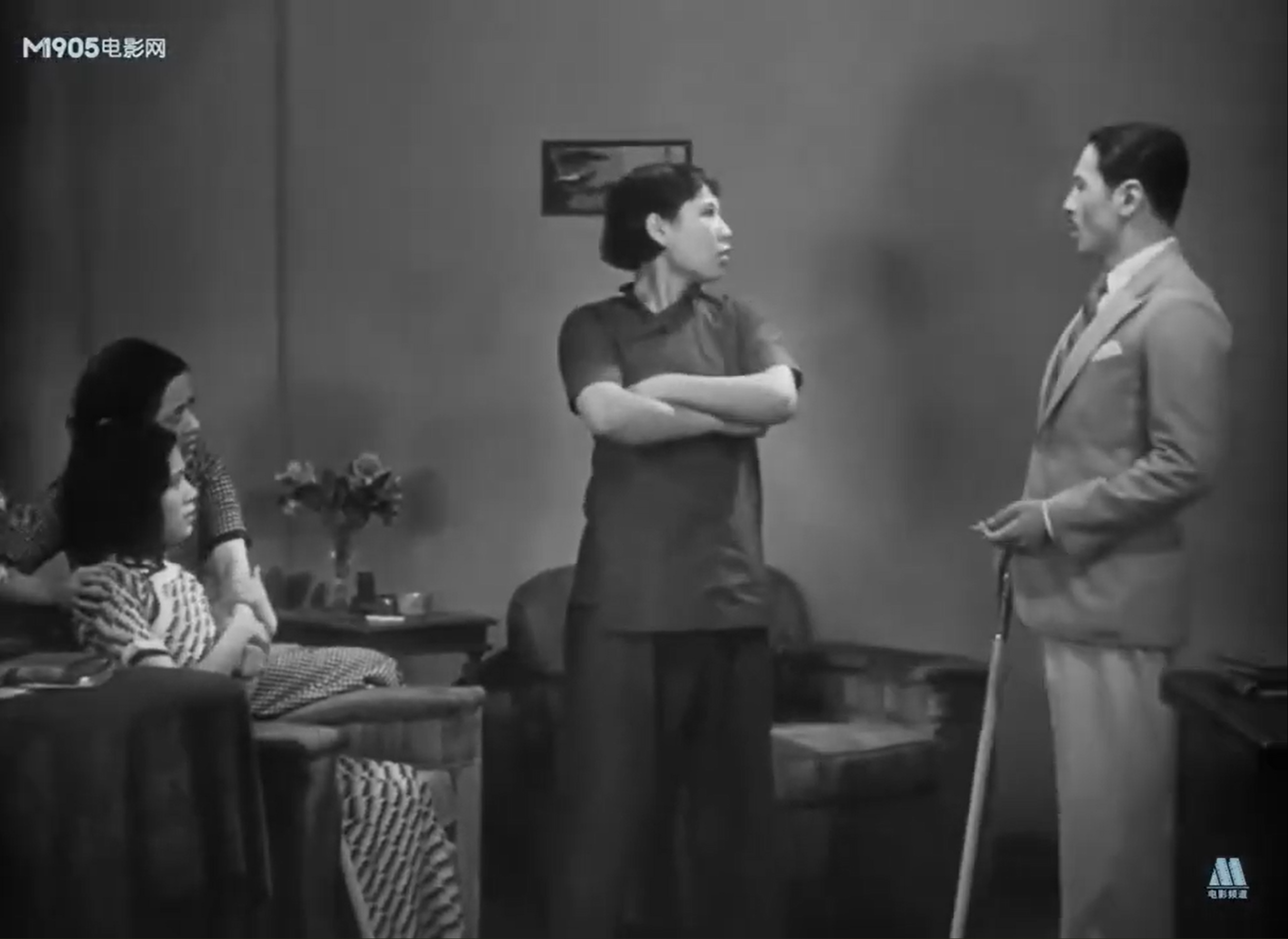
in the mid-1930s, shanghai cinema used women’s experiences as a way to explore the growing pains of a modernising city.
goddess (1934) and new women (1935) both starring the legendary ruan lingyu, explore the changing role of women and their struggle for independence in cities.
wu yonggang’s goddess (1934) is a silent film about a single mother who works as a prostitute on the streets of shanghai.
we witness her struggle against exploitation and social prejudice to provide a better future for her young son.
the scene where the principal defends her son against expulsion is highly striking as it exposes the society's prejudice and hypocrisy towards women.
cai chusheng's new women (1935) also offers a highly didactic and dramatic story.
the film shows two contrasting profiles of the ‘modern woman’: a young writer seeking indepedence and a factory worker advocating collective emancipation.
each represents a highly different response to society's hostility towards women, and a different understanding of modern life.
the famous choral singing scene gives this contrast a literal voice with a stark warning: "Don't fall for dreams of romance...”
sparrows against crows
chinese cinema vividly captures the social and economic turmoil of the decade in the 1940s, marked by the japanese occupation and following civil war.
films like spring river flows east (1947) and crows and sparrows (1949) highlight class struggle in a city on the brink of economic collapse under.
these stories expose the rising inequality between the people struggling to survive and an elite benefiting from a crumbling social order.
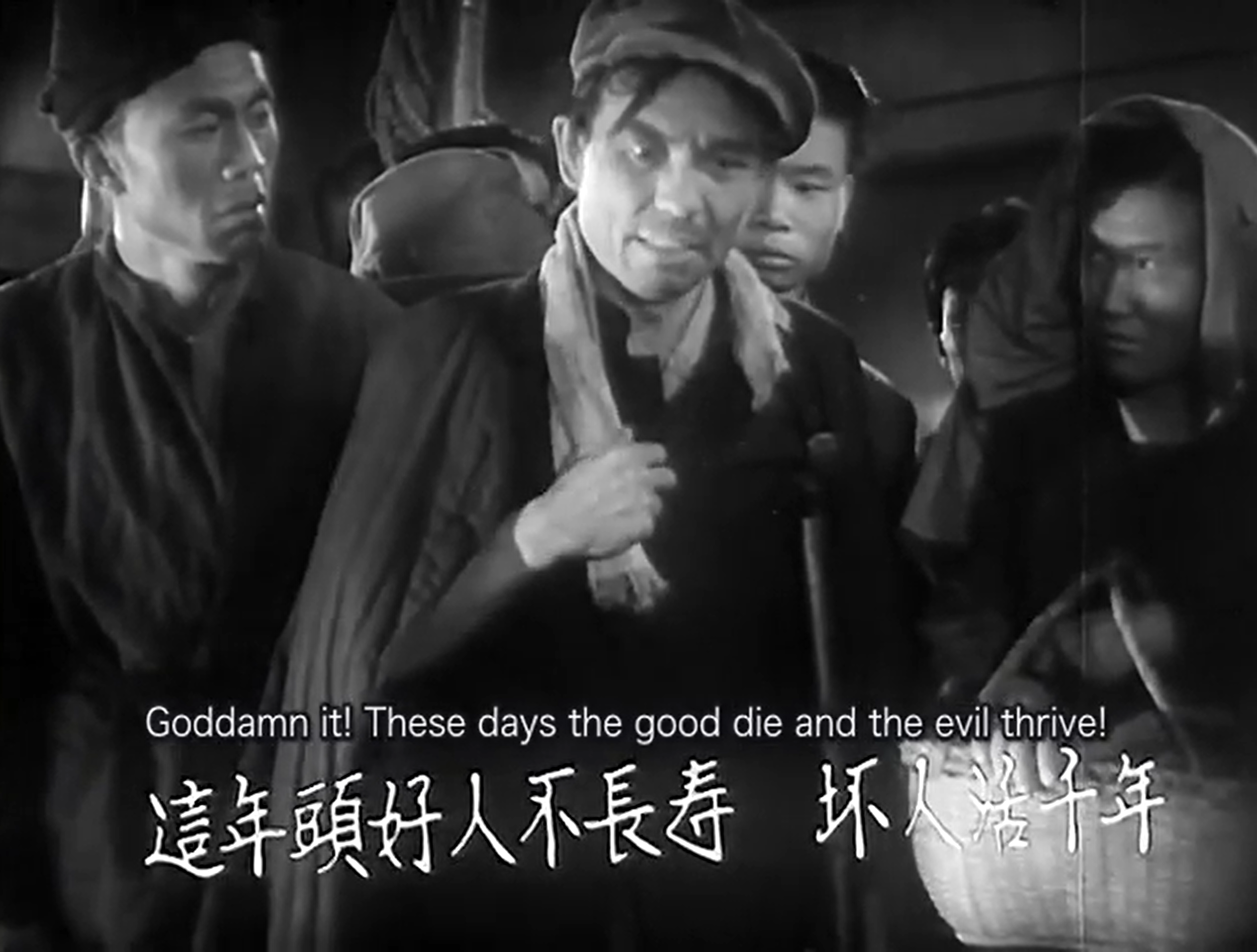
spring river flows east (1947), directed by cai chusheng and zheng junli, is a long epic journey of a family torn apart by the war.
through the wife’s struggle with poverty and the husband’s rise into the elite circles, the film illustrates the widening wealth gap.
Their separate fates shaped by the war and their class turn a family tragedy into a portrait of a divided society.
zheng junli’s crows and sparrows (1949) however takes a different turn.
a social satire set in a crowded residential building in Shanghai, it follows ordinary tenants who unite against a corrupt nationalist official trying to evict them.
their resistance reflects the class struggle of the era, culminating in a final scene where the tenants unite against the fleeing official and take over the building
urban generation
in the 1990s, chinese directors like lou ye began documenting a new kind of transformation; china’s rapid urban development and its social consequences.
in weekend lover (1995) and suzhou river (2000), the focus is on a restless young generation navigating an uncertain future in a rapidly changing urban setting.
in weekend lover (1995), lou ye explores love, relationships, and alienation among the urban youth of shanghai.
Telling a story of rivalry between lovers that turns violent, the film paints a nihilistic portrait of a generation.
in the same fashion, suzhou river (2000) is lou ye’s exploration of love, memory and identity.
the film follows a motorcycle courier who encounters a woman resembling his vanished lover.
through handheld filming and scenes of industrial decay, the film portrays a shanghai far removed from the polished image of a modern metropolis.